Every fall, we get the same call. A car owner notices swirl marks that showed up under the low October sun, or dark paint that looks hazy after a summer of automatic washes, and asks whether paint correction can still fit in before winter. Our answer is usually yes, but only if the paint correction booking in Illinois lands in the last full week of October. After that, the weather, the shorter days, and the cure time for a protective coating all start working against the job. This guide explains why that week matters and how to use it.
Table of Contents
- Quick Takeaways
- The Calendar Is Shorter Than It Looks
- What a Paint Correction Actually Involves
- Cure Time and Cold Weather
- Why Road Salt Makes the Timing Matter
- Correction Options Compared
- Booking Your Slot in Glendale Heights
- Protecting the Paint After the Work
- Mistakes That Push Correction Into Winter
- Frequently Asked Questions
- References
Quick Takeaways
| Key Insight | Explanation |
|---|---|
| Book the correction before the coating | Correction removes defects first. A coating locks in whatever condition the paint is in, so swirls and etching stay visible under it. |
| Treat the last full week of October as the practical cutoff | After that, cold nights, dew, and shorter days squeeze both the work window and the cure window. |
| Plan for cure time before road salt arrives | A fresh coating needs an uninterrupted cure before hard washing and salt exposure. Count backward from the first forecast freeze. |
| Ask for a hands-on inspection under good light | Swirls, etching, and oxidation determine how many correction stages the car needs. A quote from photos alone is a guess. |
| Confirm garage time, not just the drop-off date | A coated car should stay indoors or in a controlled bay through its first critical hours of cure, so the pickup plan matters as much as the service. |
| Book as soon as the date is set | Late-October slots in the western suburbs fill first, because owners who wait for a warm weekend are usually the ones who run out of time. |
The Calendar Is Shorter Than It Looks
Most people think of late fall as a long runway. It isn't. Once the first hard freezes arrive, detailing work that depends on warm, dry air becomes a gamble, and the paint you are trying to protect is already exposed to the road salt and brine that crews spread through the winter.
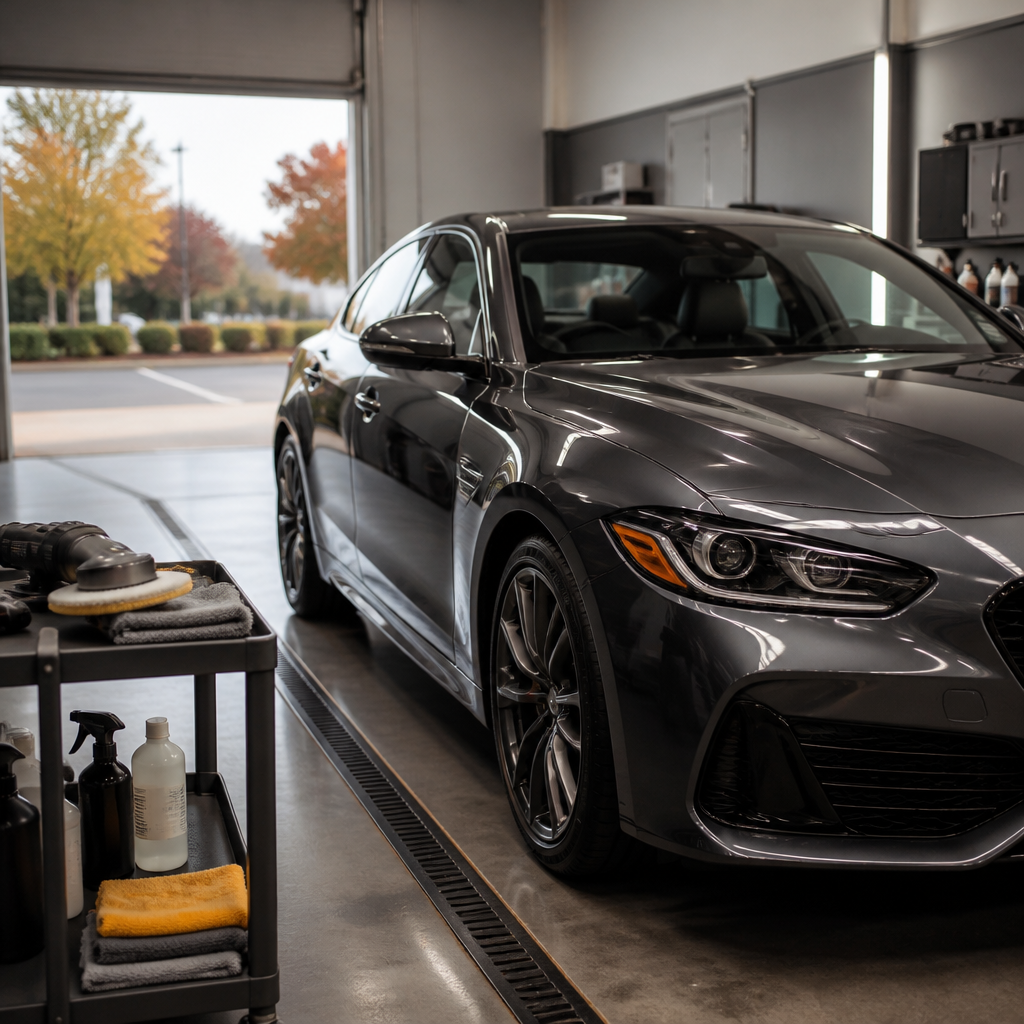
Our working rule is simple. For a car that needs protection before winter, the last realistic week to book paint correction is the last full week of October. Booking later means a higher chance of cold, damp conditions during the polish, the coating application, or the cure. Those conditions are not a reason to cut corners, so we push the job back and the car stays exposed for another few weeks.
Glendale Heights, Carol Stream, Bloomingdale, and Wheaton customers often ask whether a November appointment would be fine. For a light maintenance polish on a garaged car, it can be. For a full multi-stage correction with a ceramic coating on top, we would rather tell you the truth now than rush the work in a cold bay in December.
Schedules also compress faster than people expect. Once the leaves drop, late-fall calendars fill quickly, and the owners who wait until the first cold morning often find no slot left that still leaves room for a proper cure.
What a Paint Correction Actually Involves
Paint correction is the stage where a detailer levels the clear coat to remove defects such as swirl marks, light scratches, etching, and oxidation. It is the most labor-intensive part of our work, and it is also the part that cannot be undone. Clear coat is a finite layer, so every pass removes some of it, which is why we measure before we cut.
Our process starts with a full inspection under controlled lighting. We look at each panel from several angles, note where the defects sit, and map a plan for each section of the car. A vehicle with heavy swirling on the hood and light marring on the doors needs a different approach for each panel, and an honest quote depends on that map.
Decontamination before any polish
Polishing over bonded contamination grinds iron particles, tar, and mineral deposits into the surface. Before any pad touches the paint, we wash the car, decontaminate it where the paint needs it, and dry it completely. Skipping this step is the fastest way to add new scratches during a correction that was supposed to remove them.
Choosing the right cutting stage
Multi-stage machine polishing means stepping down in aggressiveness. A heavier compound removes deeper scratches, a medium polish refines the surface, and a finishing polish sets the gloss. Running only a heavy compound leaves haze behind, and running only a finishing polish over deep marring leaves the defects in place. The stage choice is the difference between a car that is corrected and one that just looks shinier for a week.
The most expensive mistake in paint correction is an inspection that was rushed, because every later decision depends on how much clear coat the paint can still afford to lose.
Pro tip: Ask any provider to show you paint thickness readings and close-up defect photos before you approve a quote. A correction plan without measurements is a guess, and the paint pays for guesses.
Cure Time and Cold Weather
A ceramic coating is not finished when the bottle is empty. It needs a controlled cure, and the conditions during that cure affect how the coating bonds. Most coating manufacturers publish a minimum application temperature and a cure window, and those numbers differ by product. Read the technical sheet for the product being used, then plan around the stricter requirement.
Late October creates three problems at once. Overnight lows drop, dew settles on fresh panels, and daylight hours shrink, so the working window narrows. A coating applied on a cold, damp evening can flash or haze, and a car parked outside overnight picks up moisture and dust before the cure is complete.
Why overnight dew matters more than the afternoon high
Daytime temperatures can look fine while the car sits outside through a cold night. Condensation forms on freshly coated panels, and if it sits during the early cure, it can leave spotting or uneven gloss. We would rather keep the car in a controlled bay through the first critical hours than trust a daytime forecast.
Our cutoff for coating work
If the forecast shows a string of nights near freezing, we will not schedule a full coating after the first week of November. That is not a marketing line. It is the point where the cure window and the weather stop agreeing, and the customer is the one who pays if we guess wrong.
Pro tip: Before you book a coating, check the forecast for the three nights after your appointment, not just the day of service. The cure window matters more than the afternoon high.
Why Road Salt Makes the Timing Matter
Road salt and the brine crews spread ahead of storms are hard on paint that already has defects. Salt residue settles into etched areas and oxidized clear coat, and it stays there through repeated washing. A panel that looks clean in October can show haze and spotting by late winter if the underlying defects were never addressed.
That is why the order matters. Correction removes the defects that salt would otherwise work into, and the coating gives you a sacrificial layer that makes salt residue easier to rinse away. Coating over damaged paint locks the damage in place, which is the most common mistake we see from owners who try to save a step.
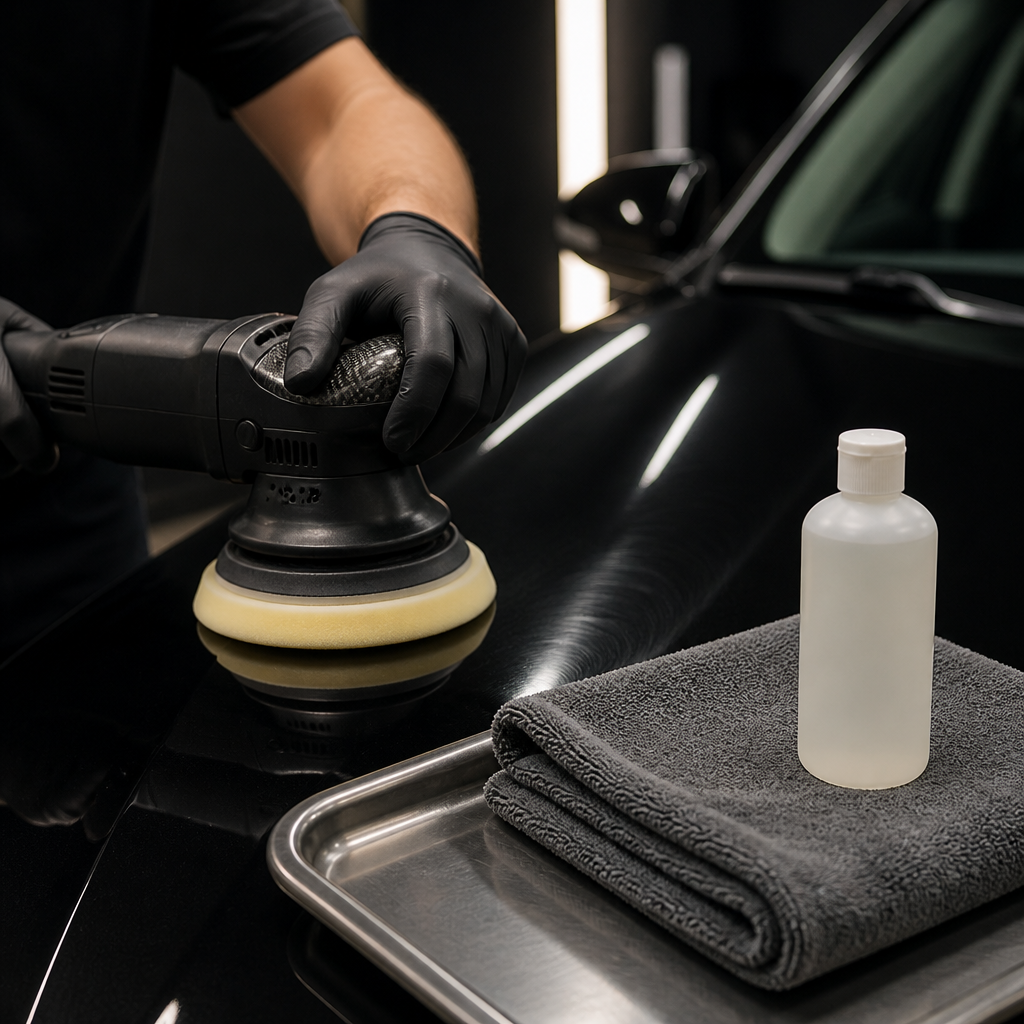
Which defects get worse in winter
Oxidation and etching worsen fastest, because salt and moisture chemically attack the clear coat. Light swirls become more visible under low winter sun, and fine scratches collect grime that makes them look deeper than they are. Dark paint shows all of it, which is why black and dark-blue cars are the first ones we see in late October.
What a protected car looks like in spring
A car that was corrected and coated before the first hard freeze rinses clean with less effort. Owners usually notice that the gloss holds and the paint looks even after the spring thaw. Unprotected cars tend to need more work to recover, and that work is harder to schedule once the weather warms and everyone else starts booking.
Correction Options Compared
Not every car needs the same approach. The table below compares the three options we see most often in late October, based on how much time the car has and what the paint needs before winter.
| Approach | What It Involves | Best Fit for Late October |
|---|---|---|
| Single-step polish | One machine polish to brighten the paint and reduce light swirls | Garaged cars with light defects and a tight schedule, though it offers no long-term protection |
| Multi-stage machine correction | Decontamination, compound and polish stages, then a finishing step | Cars with moderate to heavy defects that need to look right before salt season |
| Multi-stage correction plus nano-ceramic SiO2 coating | Full correction followed by a nano-ceramic coating with a controlled cure window | Cars that need protection through winter and a warranty-backed finish, typically with 5 to 8 year warranties |
The single-step polish is the option we talk owners out of most often. It improves gloss on a car that looks dull, but it does not remove the marring that salt will catch in January. Owners who choose it usually come back in spring with the same problems plus new ones.
The third row is the choice most late-October customers make. The correction removes what can be removed, and the coating protects the result. We pair our nano-ceramic SiO2 coatings with correction because a warranty on a coating applied over unaddressed defects does not protect the owner from the defects.
Booking Your Slot in Glendale Heights
Paint correction booking in Illinois works best when the request contains the right details. Vague requests lead to rushed quotes, and rushed quotes lead to surprises on the day the car comes in.
What to send us before you book
Send the year, make, and model, the paint color, and a few photos taken in daylight from several angles. Tell us about any previous coating, wax, sealant, or paint protection film, because existing layers change how we approach the paint. Also say when you need the car back, since a full correction plus coating takes longer than a basic detail.
How the late-fall schedule fills
Late-October slots in Glendale Heights, Carol Stream, Bloomingdale, and Wheaton fill as customers realize the calendar is closing. Once the weather turns, the work window shrinks, and we would rather book a car in the second half of October than squeeze it in during the first cold week of November.
Drop-off and pickup timing matters too. If the job includes a coating, plan for the car to stay with us through the working day and the first cure period, and do not plan a same-day pickup that puts a fresh coating back into cold air.
Pro tip: Book the correction and the coating as one plan from the start. A separate coating date weeks later means the paint sits uncoated through the most exposed part of the season.
Protecting the Paint After the Work
The first few weeks after correction and coating set the habits that keep the finish. Most of the damage we see on freshly corrected paint comes from the first automatic wash, not from the detailing itself.
Use a hand wash with a pH-neutral soap and clean microfiber, and avoid brush-style automatic washes for the first several weeks. Skip wax or sealant over a ceramic coating, since it can interfere with the surface you paid to protect. When you can, keep the car out of heavy salt, and rinse the underbody after winter drives.
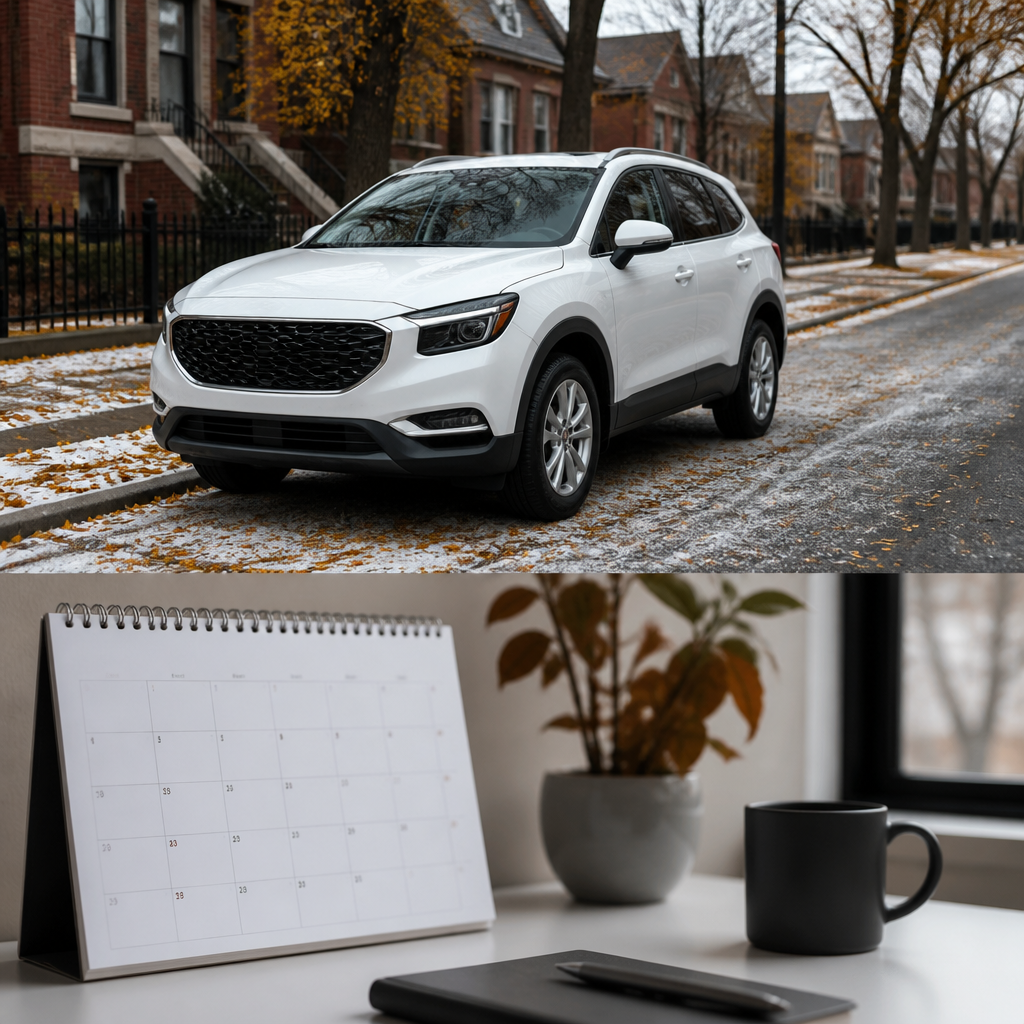
Give the coating its full cure before you judge the result. Beading and gloss can look different in the first days, and a light rinse is safer than a full wash during the first week. If something looks wrong in the first two weeks, call us before you try to fix it yourself, because a home fix often adds the scratches we just removed.
Mistakes That Push Correction Into Winter
Most late-season correction jobs go wrong for the same few reasons. Owners wait for a warm weekend, they book the coating without the correction, or they expect a one-day result on paint that needs several stages. Each of those decisions pushes the job closer to cold weather.
- Waiting for a warm weekend that never comes before the first freeze
- Asking for a coating on paint with visible swirls and etching
- Assuming a bright, fast polish is the same thing as a full correction
- Dropping the car off after the first snow, when garage time and cure time both work against the job
The fix is simple, though it requires a decision now. Book the inspection in the last full week of October, approve the plan, and let the calendar work for the car instead of against it.
Frequently Asked Questions
Can I still get paint correction in November in the Chicago suburbs?
Yes, for light work or a polish-only job on a car that will be garaged. For a full multi-stage correction with a ceramic coating, late November is a riskier window because of cold nights and short days, so we recommend booking in late October.
Should I correct my paint before getting a ceramic coating?
Yes. A coating locks in whatever condition the paint is in, so swirls and etching under the coating stay visible. Correction first and coating second is the order that protects the investment.
How long does paint correction take?
It depends on the number of stages and the condition of the paint. A light polish is much quicker than a multi-stage correction on a full vehicle, and a coating adds cure time before the car goes back out.
Does paint correction remove all scratches?
No. Correction reduces scratches that are shallow enough to level within the clear coat. Deeper scratches that reach the base layer may need touch-up or paint work, and an honest inspection will tell you which is which.
Can I wash my car right after a ceramic coating?
Wait until the coating has completed the cure window specified by its manufacturer. In the early days, a gentle rinse is safer than a full wash, and a hand wash with a pH-neutral soap is the safest routine after that.
Do you need to see the car before quoting a correction?
Yes. Photos help with a first estimate, but an accurate correction plan needs a hands-on inspection under good light so we can see how deep the defects go.
If you have had paint correction done in late fall, or you are weighing whether to book this week, tell us about your experience and what made the decision easier or harder.
We would love your feedback and any insights you would share with others. What perspective would you add?