Most vehicle owners in Glendale Heights book a detail based on price alone, then wonder why the results fade in two months. The Chicago suburb climate is genuinely hard on vehicles, with road salt from November through March, humidity spikes in summer, and tree sap from the dense residential neighborhoods throughout Carol Stream and Bloomingdale. Getting car detailing in Glendale Heights IL right means understanding what services your vehicle actually needs, what questions to ask before handing over your keys, and how to tell the difference between a shop that does precision work and one that rushes through a wash-and-wax in ninety minutes.
Table of Contents
- Why Glendale Heights Vehicles Take a Beating
- What Car Detailing Actually Includes
- Quick Takeaways
- Exterior Detailing and Paint Correction
- Interior Detailing: What Separates a Deep Clean from a Wipe-Down
- Ceramic Coatings in the Chicago Suburbs
- How to Compare Detailing Services Near Glendale Heights
- What to Ask Before You Book
- Frequently Asked Questions
- References
Why Glendale Heights Vehicles Take a Beating
Glendale Heights sits in DuPage County, and DuPage County roads are salted aggressively every winter. The Illinois Department of Transportation uses a combination of rock salt and liquid brine that coats undercarriages, wheel wells, and lower paint panels from late October sometimes through early April. That salt does not simply wash off in the next rain. It bonds to clear coat, seeps into door jambs, and accelerates oxidation on unprotected paint.
The summer side is no easier. The tree canopy on residential streets in Bloomingdale and Carol Stream drops heavy pollen loads from April through June, followed by sap from maples and oaks that etches directly into soft clear coats if left more than a few days. Auto detailing near Glendale Heights must account for both seasonal threats, not just general cleaning.
Residents who commute on I-355 or Route 53 also deal with consistent highway debris, tar spots from fresh asphalt work, and bird activity near the retention ponds in the area. These are not hypothetical risks. They are the daily reality for any vehicle parked outdoors or driven on these roads.
What Car Detailing Actually Includes
The word "detailing" is used loosely across the industry, and that ambiguity costs customers money. A standard car wash is not detailing. A hand wax applied over contaminated paint is not detailing. Actual detailing is a systematic, multi-stage process that restores and protects every surface of a vehicle.
At a proper detailing shop, the process starts with a thorough pre-wash, foam cannon application, and a two-bucket hand wash to prevent cross-contamination of dirt across paint panels. From there, a clay bar or chemical decontamination step removes bonded iron particles and tar that a wash cannot lift. Only after decontamination is the paint truly clean enough for polishing, sealing, or coating.
Glendale Heights car care providers range from mobile operations with a bucket and buffer to dedicated facilities with lifts, paint thickness gauges, and controlled lighting bays. The difference in output quality between those two ends of the spectrum is significant, and the price difference is usually proportional.
Quick Takeaways
| Key Insight | Explanation |
|---|---|
| Road salt is your paint's primary enemy in Glendale Heights winters | DuPage County roads are heavily salted from October through April. Paint protection applied before winter starts is far more effective than trying to repair oxidation after the season ends. |
| Decontamination must happen before any polish or coating | Applying a ceramic coating or wax over contaminated paint traps iron particles and tar beneath the protective layer, causing premature failure. A clay bar or iron remover step is non-negotiable. |
| Paint correction is a one-time investment that changes long-term results | Machine polishing removes swirl marks, water spot etching, and light scratches before a protective layer goes on. Skipping this step and coating over flawed paint locks in those defects permanently. |
| Ceramic coatings with 5-8 year warranties outperform wax on Chicago suburb vehicles | Nano-ceramic SiO2 coatings create a semi-permanent hydrophobic layer that resists road salt, UV degradation, and bird acid far better than any wax or sealant product. |
| Interior neglect causes more resale value damage than exterior wear | Cracked leather, stained carpets, and embedded odors are harder to correct than paint defects. Regular interior detailing every 4-6 months prevents the kind of damage that requires full restoration. |
| Ask for a paint thickness gauge reading before any polishing work | A reputable detailer checks paint thickness before machine polishing to avoid cutting through thin factory clear coat. If a shop does not own a PTG, walk away from any paint correction quote. |
| Maintenance programs are more cost-effective than reactive correction | Booking a maintenance wash and inspection every 4-6 weeks after a ceramic coating costs far less than letting contamination build up and requiring a full decontamination and re-polish cycle. |
Exterior Detailing and Paint Correction
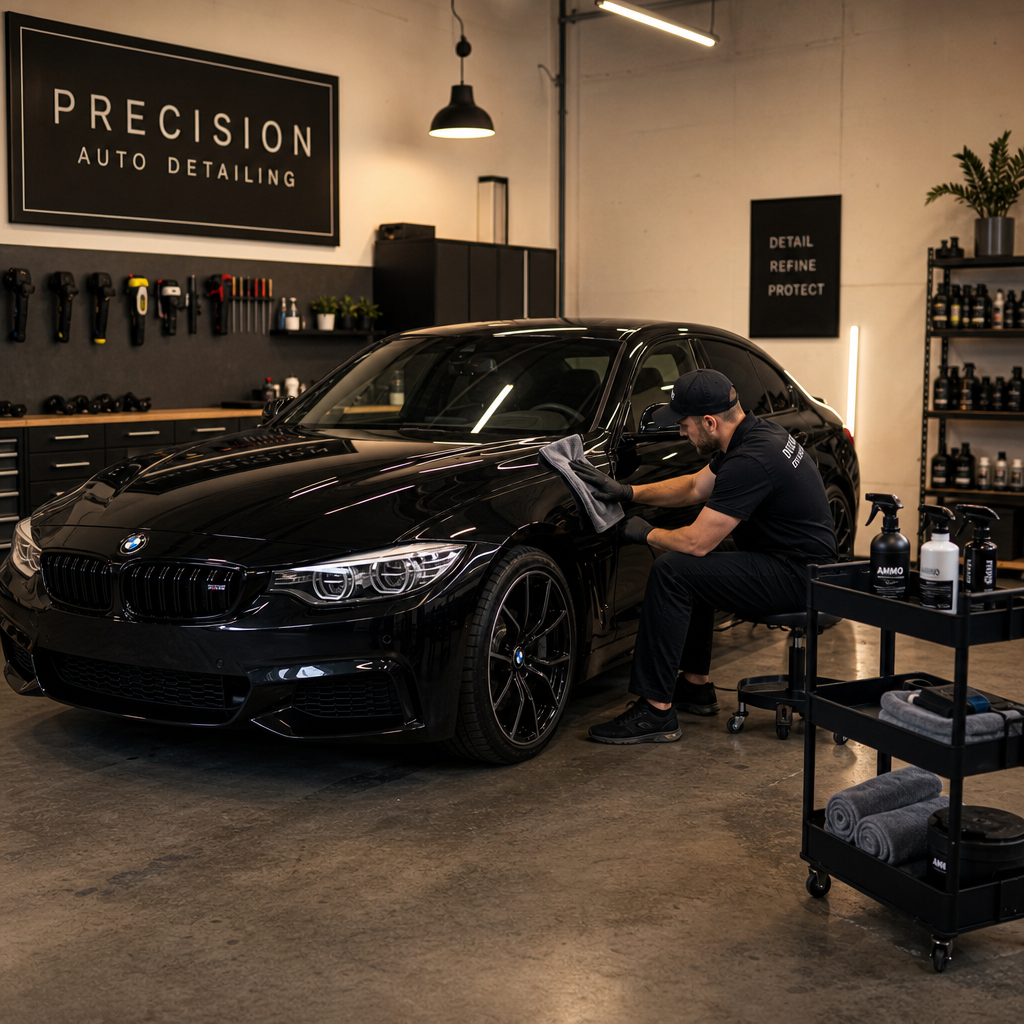
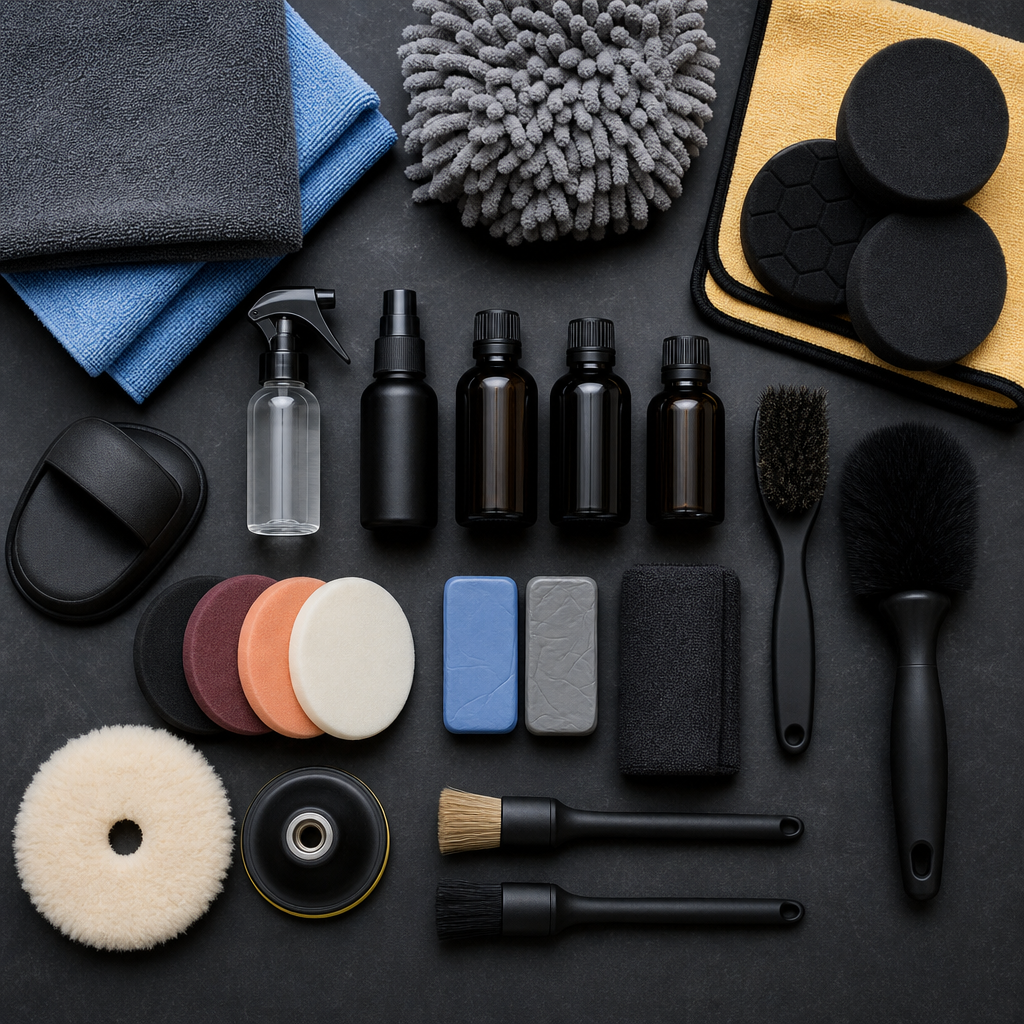
Exterior detailing done properly in Glendale Heights is a multi-stage process, not a single service. A full exterior detail includes a pre-rinse and foam soak, hand wash with pH-neutral soap, iron decontamination, clay bar treatment, paint inspection under proper lighting, and then either a single-stage polish, multi-stage paint correction, or sealant application depending on the paint's condition.
What Multi-Stage Machine Polishing Actually Corrects
Multi-stage polishing uses two or more cutting and refining steps to address different depths of paint defects. A heavy-cut compound removes deep swirl marks and moderate scratches. A medium polish refines the surface. A finishing polish brings the gloss to near-perfect levels before any coating or sealant is applied.
In practice, a single-stage polish marketed as "paint correction" by budget shops will improve the appearance but leave behind deeper marring that is visible in direct sunlight or in a controlled inspection light. The difference between a single-stage and a proper multi-stage correction on a dark-colored vehicle like a black BMW or navy Porsche is dramatic and visible from five feet away.
Hersheys Detailing in Glendale Heights uses multi-stage machine polishing as a standard part of any paint correction package, which is why the results hold up under actual inspection rather than just looking good at pickup.
When Paint Correction Is Worth the Investment
Not every vehicle needs a full multi-stage correction. A newer vehicle with less than two years of light use and no swirl marks may only need a one-step polish and a coating. A darker vehicle that has been through automated car washes for three years needs a full correction before any protective product is applied. Pay for the correction that matches your actual paint condition, not the cheapest package available.
Interior Detailing: What Separates a Deep Clean from a Wipe-Down
A genuine interior detail on a Chicago suburb vehicle requires a systematic approach because the interiors of vehicles driven year-round in this climate accumulate salt, sand, moisture, and organic debris at a much higher rate than vehicles in dry climates. What looks clean after a quick vacuum and wipe-down often has embedded contamination in carpet fibers, door jambs, and seat stitching that will start to smell within weeks.
Extraction Versus Wiping for Seats and Carpets
Hot water extraction is the correct method for deep-cleaning fabric seats and carpets in vehicles that have accumulated significant soil load. A microfiber wipe and a vacuum do not remove embedded salt crystals or dried liquid spills from carpet backing. Extraction machines inject a cleaning solution and immediately vacuum it back out along with the dissolved contamination.
For leather interiors, the correct process is a pH-balanced leather cleaner applied with a soft brush, not an all-purpose cleaner wiped across the surface. APC products applied to leather dry it out and accelerate cracking. After cleaning, a quality leather conditioner should be applied to restore flexibility.
Odor Elimination for Illinois Winter Vehicles
Wet floor mats and salt-contaminated carpet backing create the musty smell that becomes permanent in vehicles that are not detailed through the winter. Ozone treatment is effective for biological odors but must be done correctly. The vehicle must be fully cleaned first. Running an ozone generator in a dirty vehicle temporarily masks the smell without eliminating the source.
Pro tip: Before booking an interior detail, pull up the carpet in the driver's side footwell. If the backing is damp, you need extraction and a drying cycle, not just a vacuum. Tell the shop upfront so they can allocate the time and equipment the job actually requires.
Ceramic Coatings in the Chicago Suburbs
Ceramic coatings are not a luxury product for vehicles in the Chicago suburban market. They are a practical response to a genuinely harsh environment. Road salt, freeze-thaw cycles, tree sap, bird acid, and UV exposure from summer sun all attack unprotected paint in ways that wax simply cannot defend against for more than a few weeks at a time.
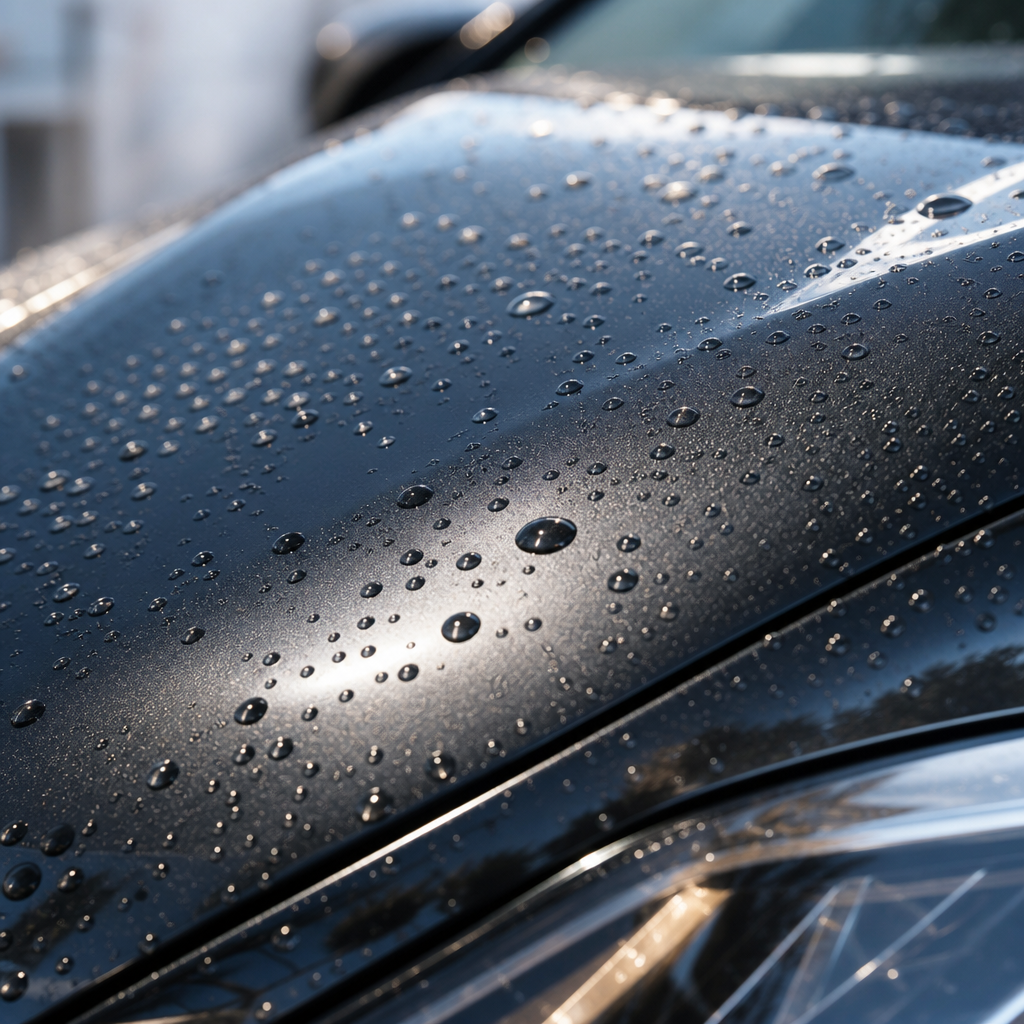
A professional nano-ceramic SiO2 coating applied by a trained installer bonds chemically to the clear coat and creates a hardened, hydrophobic layer that resists all of those threats simultaneously. The coatings offered with 5-8 year warranties at Hersheys Detailing are not spray-on consumer products. They require proper surface preparation, a controlled application environment, and a curing period.
"Ceramic coatings reduce the surface energy of paint, which is why water, mud, and road grime sheet off rather than bonding to the surface. On a vehicle exposed to Chicago winters, this property alone reduces the amount of corrosive contamination that can reach the clear coat over a five-year period." -- A common explanation from professional coating installers with first-hand application experience in the Midwest market.
The common mistake owners make is purchasing a consumer-grade spray ceramic from an auto parts store and treating it as equivalent to a professionally applied coating. Spray ceramics typically last 3-6 months. Professional-grade coatings with proper prep last 5-8 years. The cost difference reflects a genuine difference in chemistry, preparation labor, and installer certification, not marketing.
Pro tip: If a shop offers a ceramic coating applied in under two hours for under $200, it is almost certainly a spray sealant or consumer-grade product, not a professional-grade SiO2 coating. Proper coating application including prep, correction, and cure time takes a full day at minimum.
How to Compare Detailing Services Near Glendale Heights
The detailing market in the western Chicago suburbs includes everything from solo mobile operators to full-service shops with multiple bays. Price alone is a poor comparison metric. The relevant variables are process transparency, equipment quality, product disclosure, and warranty terms on any coating work.
| Service Type | What You Get | Best Fit For |
|---|---|---|
| Mobile Detailing (budget tier) | Wash, vacuum, basic wipe-down. Limited equipment. No decontamination step. No machine polishing. Results degrade quickly in Chicago weather. | Vehicles that only need a cosmetic refresh before a quick sale and do not need long-term protection. |
| Mid-Tier Shop Detail | More thorough wash, basic machine polish, wax or sealant application. May skip iron decontamination. Results vary by technician experience. | Owners who want a visible improvement without investing in paint correction or long-term coatings. |
| Premium Shop Detail with Correction and Coating (Hersheys Detailing approach) | Multi-stage decontamination, paint thickness gauge check, multi-stage machine polish, professional-grade ceramic coating with 5-8 year warranty. Documented process. Controlled environment. | Luxury and high-end vehicle owners in Carol Stream, Bloomingdale, and Wheaton who want protection that holds up through multiple Illinois winters. |
The data consistently shows that vehicle owners who invest in proper paint protection before the first winter after purchase spend significantly less over the following five years on paint restoration than those who skip protection entirely. A ceramic coating applied once correctly costs less in total over its 5-8 year lifespan than repeated wax applications and mid-cycle correction work.
What to Ask Before You Book
Most detailing shops in the Glendale Heights area do not volunteer information about their process unless asked. Asking the right questions before booking tells you immediately whether you are dealing with a shop that does systematic, documented work or one that improvises based on whoever is working that day.
Process and Product Questions
Ask specifically what decontamination steps are included in the service you are quoting. Ask what polishing machine they use and whether their technicians are trained on it. Ask what coating product they are applying by brand name, not just "ceramic coating." A reputable shop will answer all of these questions directly. A shop that deflects or answers in vague generalities is telling you something important about how they work.
Warranty and Aftercare Questions
For any ceramic coating work, ask for the specific warranty terms in writing before you book. Ask what maintenance program they recommend to keep the coating warranty valid. Ask whether they offer maintenance washes specifically designed for coated vehicles. Hersheys Detailing offers structured maintenance programs precisely because a coating applied without proper ongoing care degrades faster and voids manufacturer warranty terms.
Ask how long the job will take. A full paint correction and ceramic coating on a mid-size luxury sedan should take at least one full day, sometimes two. If a shop quotes four hours for a "full correction and coating," the math does not add up, and you should ask them to walk you through their process step by step.
Pro tip: Ask to see work in progress or recent completed vehicles under a paint inspection light before committing to a shop for correction work. A shop confident in their results will show you without hesitation. One that declines or says the lighting is not available is telling you they cannot stand behind their finish quality.
Frequently Asked Questions
How much does car detailing cost in Glendale Heights IL?
Pricing for car detailing in Glendale Heights ranges from around $150 for a basic interior and exterior detail to $1,500 or more for a full paint correction with a professional ceramic coating package. The wide range reflects genuine differences in process, time, products, and results. A basic detail at a premium shop like Hersheys Detailing will cost more than a budget mobile operator, but the results and the protection provided are not comparable products.
How often should I get my car detailed if I live in the Chicago suburbs?
For a vehicle without a ceramic coating, a full exterior and interior detail every 3-4 months is a reasonable schedule given the Illinois climate. For a vehicle with a professional ceramic coating, maintenance washes every 4-6 weeks and a full inspection detail once or twice per year keeps the coating performing at its rated level and keeps the warranty valid.
Is paint correction necessary before getting a ceramic coating?
Yes. If your paint has visible swirl marks, water spot etching, or scratches, applying a ceramic coating over those defects locks them in permanently. The coating hardens over whatever surface it bonds to. A multi-stage machine polish before coating application corrects those defects first, so the coating preserves a flawless surface rather than sealing in existing damage.
What is the difference between a ceramic coating and a wax?
Wax is a temporary surface layer that sits on top of the paint and degrades through washing, UV exposure, and road contamination, typically lasting 4-12 weeks in a Chicago suburb climate. A professional nano-ceramic SiO2 coating chemically bonds to the clear coat, creating a semi-permanent hardened layer that resists heat, UV, road salt, bird acid, and chemical contamination for 5-8 years with proper maintenance. They are not comparable products in terms of durability or protection level.
Can I book auto detailing near Glendale Heights for same-week service?
Availability varies by shop and season. Spring and fall are the busiest periods in the Glendale Heights area because owners want pre-winter protection and post-winter restoration. For basic detail services, same-week booking is usually possible. For full paint correction and ceramic coating packages, a reputable shop allocates full days per vehicle, so advance booking of 1-2 weeks is common and appropriate. Hersheys Detailing serves Glendale Heights, Carol Stream, Bloomingdale, and Wheaton and can provide scheduling guidance directly.
Does automated car washing damage my paint or ceramic coating?
Yes to both. Automated car washes with rotating brushes introduce swirl marks and fine scratches into clear coat on every pass. On a ceramic-coated vehicle, the abrasive contact from brush systems degrades the coating's hydrophobic properties faster than hand washing does, potentially voiding warranty terms. Touchless automated washes are less damaging but still use aggressive alkaline chemicals that strip coatings over time. Hand washing or a professional maintenance wash is the correct ongoing care method for any vehicle with real paint protection.
If you have had a recent detailing experience in Glendale Heights or the surrounding suburbs, share what questions you asked before booking and what made the biggest difference in the results you got.
We would love your feedback and any insights you would share with others. What perspective would you add?
References
- Statista: Automotive aftermarket and car care industry data, market sizing, and consumer spending trends in the United States
- Forbes: Consumer guides and analysis on vehicle ownership costs, maintenance spending, and resale value factors
- U.S. Environmental Protection Agency: Vehicle paint, chemical safety standards, and automotive surface protection product regulations
- Illinois Department of Transportation: Road maintenance practices, winter salt application protocols, and road condition data for DuPage County
- Better Business Bureau: Consumer guidance on evaluating automotive service businesses, complaint data, and how to vet local detailing providers