Most Chicago suburb car owners leave serious money on the table when selling or trading in a vehicle. They wash it, maybe vacuum the floor mats, and call it done. What they do not realize is that a professional car detailing resale value Illinois strategy, built around paint correction and ceramic coating, can push a vehicle from "average" condition into "clean" or even "outstanding" on any valuation guide, a shift that directly translates into hundreds or thousands of additional dollars at the point of sale. If you own a BMW, Mercedes, Porsche, or any other vehicle where condition matters to its market price, reading this before you list is worth your time.
Table of Contents
- Quick Takeaways
- Why Paint Condition Drives Resale Price
- What Paint Correction Actually Does for Resale
- How Ceramic Coating Increases Car Value
- Comparison: Wax vs. Sealant vs. Ceramic Coating for Resale
- Auto Detail Before Selling in the Chicago Suburbs
- Timing: When to Detail Before You Sell
- Frequently Asked Questions
- References
Quick Takeaways
| Key Insight | Explanation |
|---|---|
| Paint correction can increase resale value by 10-20% | Removing swirl marks, oxidation, and light scratches moves a vehicle from "average" to "clean" or "outstanding" condition on appraisal guides, directly raising its appraised price. |
| Ceramic coating yields an estimated 5-10% resale value boost | Vehicles with quality SiO2 ceramic coatings show no oxidation, fewer defects, and a consistently glossy finish, signaling careful ownership to buyers and dealers alike. |
| Paint correction must come before ceramic coating | Ceramic coating locks in whatever condition the paint is in at application. Coating over swirl marks and scratches seals the defects permanently rather than eliminating them. |
| Professional detailing can return 200%+ ROI at trade-in | Proper presale detailing, including interior and exterior work, frequently returns more than twice its cost at point of sale or trade-in. |
| Illinois winters accelerate paint degradation | Road salt, freeze-thaw cycles, and UV exposure during warm months compound oxidation and clear coat damage faster than in milder climates, making protective coatings especially valuable here. |
| Coated cars reduce dealer reconditioning deductions | When trading in to a dealership, a well-coated vehicle avoids the "reconditioning" deductions dealers apply to cars that need paint work before resale. |
| Documentation of professional services adds negotiating power | Receipts and service records from a certified detailer showing paint correction and a named ceramic coating product give private buyers and dealers a concrete reason to accept your asking price. |
Why Paint Condition Drives Resale Price
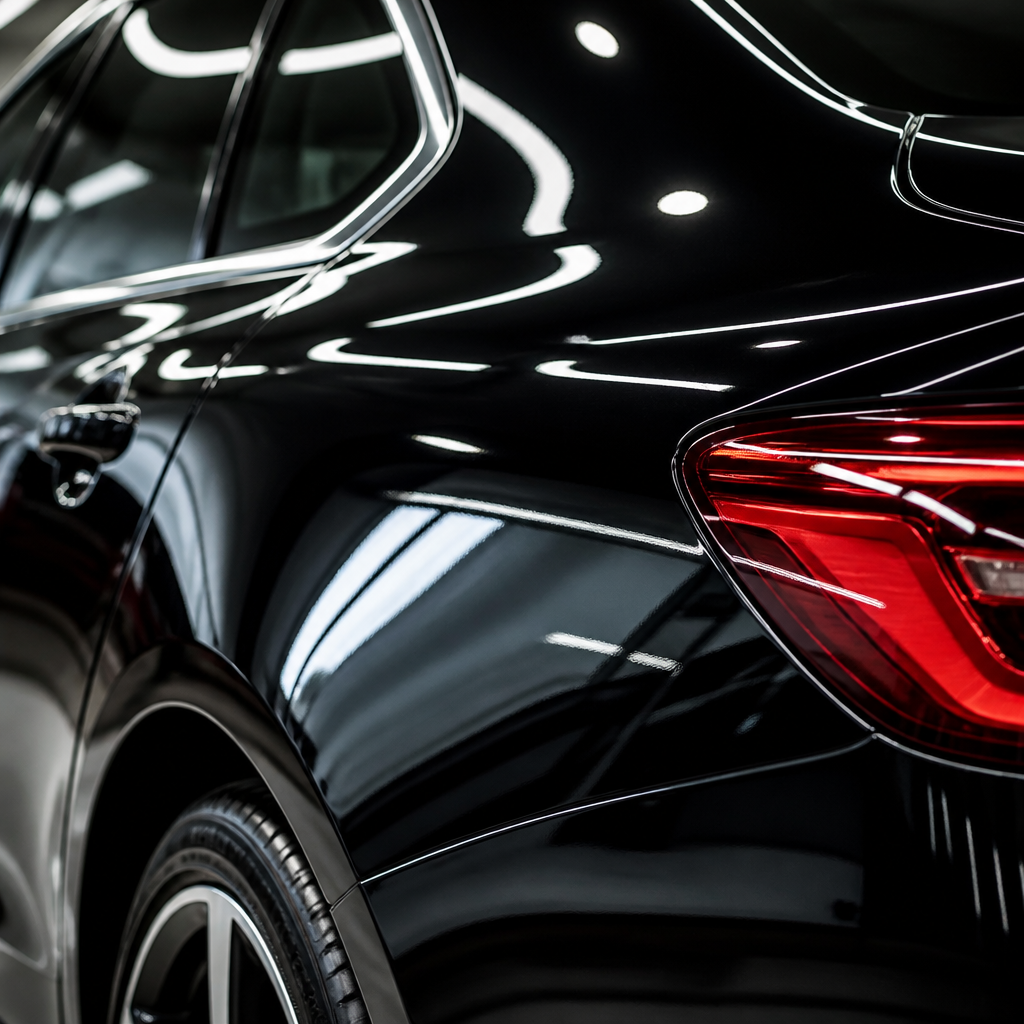
Buyers and appraisers make snap judgments. Before they open the door, check the mileage, or ask for a Carfax, they are already forming an opinion based on what the paint looks like in natural light. A vehicle with a swirled, hazy, or oxidized finish communicates neglect, and that perception ripples into every number on the offer sheet.
This is not speculation. Paint correction before selling can move your vehicle from "average" to "clean" or even "outstanding" condition, directly increasing its value by thousands of dollars. Those condition categories are the exact ones used by valuation tools that dealers and private buyers reference when making offers.
Used-car sellers can expect upwards of a 200% return on investment by cleaning their car before trading or selling their ride. That figure holds up for basic presale detailing. When you add paint correction and ceramic coating on top of a thorough detail, the return on a higher-value vehicle is even more compelling.
A car's exterior is the first thing people notice, and first impressions count. A well-maintained paint job can make a huge difference in its resale value. Cars with glossy, well-kept paint jobs can fetch higher resale prices than those with visibly worn or damaged paint.
The dynamic is simple: a buyer who sees perfect, deep paint automatically assumes the mechanical side of the car received the same care. A buyer who sees oxidized, swirled paint assumes the opposite, and then negotiates accordingly. Paint condition is a proxy signal for overall ownership quality, and in a competitive used-vehicle market, that signal costs or earns you real money.
What Paint Correction Actually Does for Resale
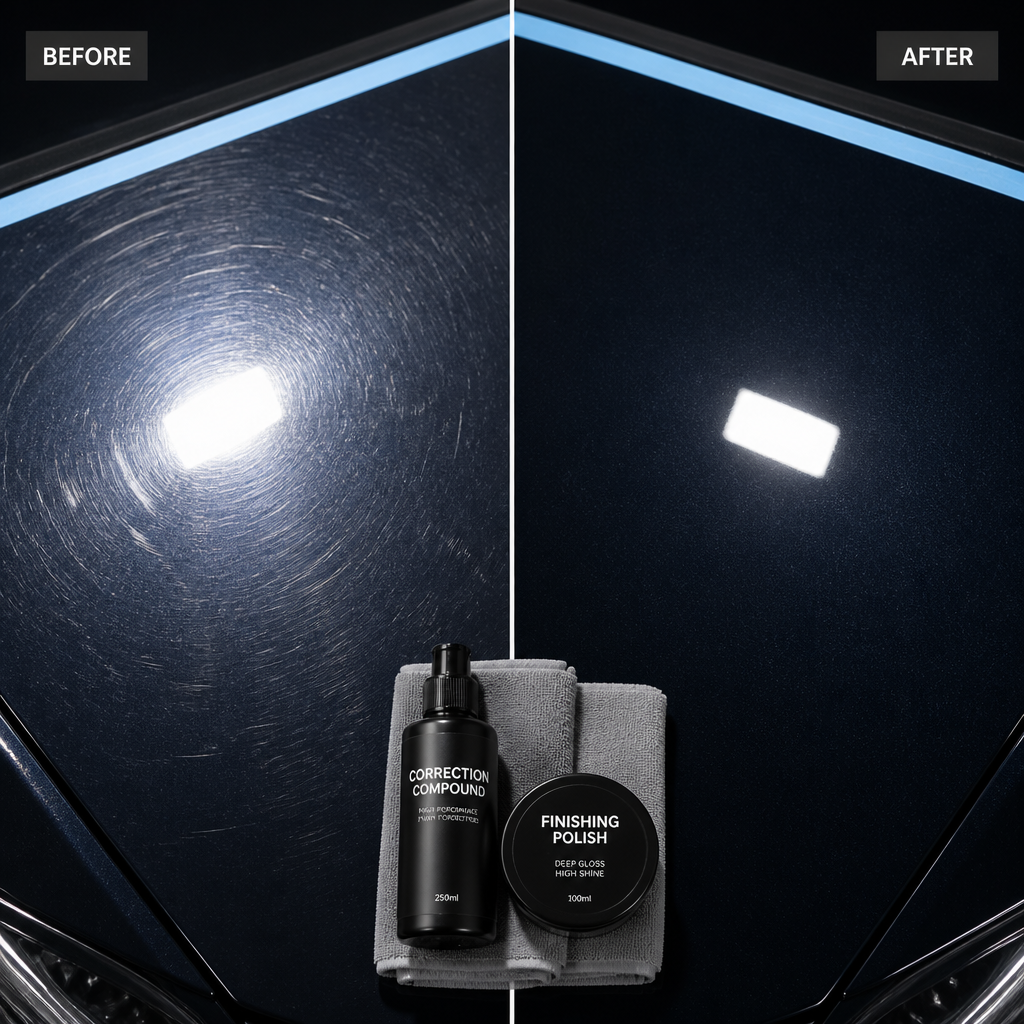
Paint correction is not a detail wash or a coat of wax. It is a multi-stage machine polishing process that physically removes defects from the clear coat layer of your vehicle's paint. At Hersheys Detailing, the process involves decontamination, compounding, and polishing stages before any protective product goes on. The result is paint that reflects light the way it did when the car left the factory, not paint that temporarily looks better because a filler product is masking the damage underneath.
What Defects Paint Correction Removes
Optical-grade compounds remove defects from 2000 to 2500 grit wet-sanding marks, along with oxidation, moderate swirls, and light scratches, without fillers. That matters for resale because filler-based products wear away, meaning a car detailed with fillers before sale will look worse six weeks later when the buyer is showing it to their friends, creating negative word-of-mouth and potentially triggering disputes.
True paint correction is permanent. The defects are gone, not hidden. The process permanently removes surface imperfections but requires protective coatings for lasting results. Paint correction is essential before applying ceramic coatings or paint protection film.
The Real-World Resale Impact
Paint correction can increase your vehicle's resale value by 10-20% when properly maintained. On a $30,000 used vehicle, that range means $3,000 to $6,000 in additional proceeds. Professional paint correction costs range from $500 to $2,500 based on vehicle size and paint condition. The math is straightforward for any mid-range to high-end vehicle.
Pro tip: If you are selling privately rather than trading in, corrected paint photographs dramatically better. Listings with sharp, glossy paint photos attract more inquiries, more test drives, and stronger opening offers than listings where the swirl marks are visible in the thumbnail.
One practical reality: Illinois drivers deal with automatic car washes constantly. Those brush-based washes are the leading cause of swirl marks on clear coat finishes. By the time a Chicago suburb vehicle has three or four years on it, the paint has usually accumulated enough micro-scratches to look dull under direct sunlight. Paint correction addresses all of that in a single service.
How Ceramic Coating Increases Car Value
Ceramic coating applied after paint correction does two distinct things for resale value. First, it preserves the corrected paint so the vehicle still looks flawless when it is time to sell, whether that is two years or six years from the application date. Second, it signals to any knowledgeable buyer that the previous owner invested in professional-grade protection, a level of care most used-car buyers never get to see documented on a vehicle.
The Protection Mechanics
Ceramic coating enhances your car's resale value by protecting the paint and finish from environmental damage, which helps retain its aesthetic appeal over time. A well-maintained exterior through ceramic coatings can lead to higher trade-in prices as the vehicle appears newer and more appealing to potential buyers.
The chemistry matters here. Unlike traditional wax, which wears off after a few months, ceramic coatings can last between two to five years with proper application. Hersheys Detailing's nano-ceramic SiO2 coatings carry 5 and 8-year warranties, which far exceeds what most consumer-grade coatings deliver. That longevity means a vehicle coated early in ownership is still protected at the time of sale.
What the Resale Numbers Look Like
Studies estimate cars with ceramic coatings can witness a 5-10% increase in resale value compared to those without this added layer of protection. For example, a 2020 Toyota Camry valued at $24,000, if equipped with a high-quality ceramic coating, could potentially command an additional $1,200 to $2,400 during resale. Scale that to a luxury SUV or a performance vehicle, and the dollar amounts become even more meaningful.
On average, cars with ceramic coatings can secure an increase in resale value of between 5 and 10%. For Illinois owners dealing with road salt, UV exposure, and seasonal temperature swings, the protective benefit starts from day one and compounds over the ownership period.
Pro tip: When selling, print or email the buyer the ceramic coating documentation including the product name, the application date, and the warranty term. A named professional coating with a multi-year warranty from a certified applicator gives a private buyer a concrete reason to justify paying your asking price over a competitor's listing.
What Ceramic Coating Does Not Do
Ceramic coating is not a cure-all. The answer is not as simple as yes or no; it depends on how well the coating is applied, maintained, and valued by potential buyers. A ceramic coating applied over uncorrected paint locks in the existing defects. A vehicle coated without proper decontamination and paint correction first is not worth more at resale. The coating amplifies the condition of the paint underneath it, for better or worse.
This is exactly why Hersheys Detailing includes a full 2-step paint correction in both the 5-year and 8-year ceramic coating packages. Skipping correction before coating is one of the most common shortcuts in the industry, and it is why so many car owners have been coated vehicles that still looked mediocre under sunlight.
Comparison: Wax vs. Sealant vs. Ceramic Coating for Resale
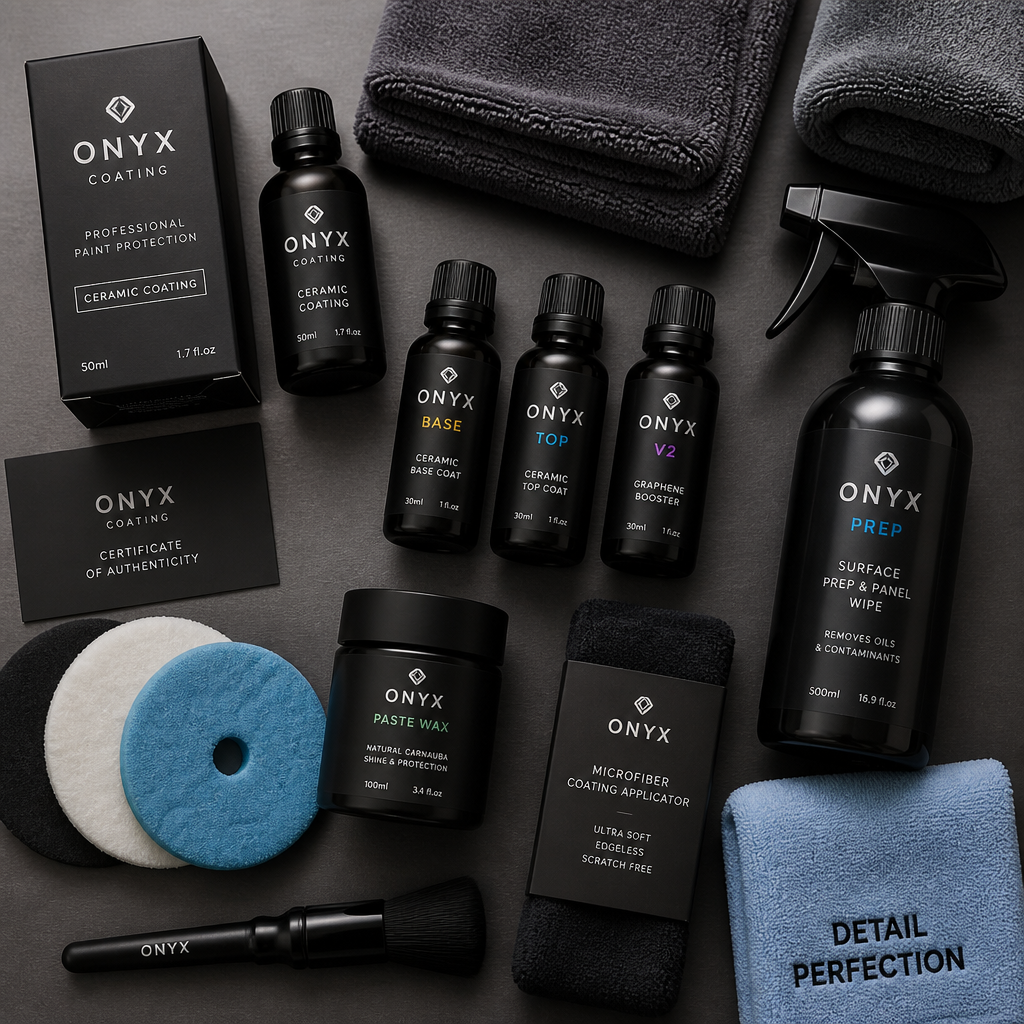
Not all paint protection is equal when it comes to preserving resale value. The table below compares the three main options that Illinois vehicle owners encounter, across the factors that actually matter when selling.
| Protection Type | Durability and Coverage | Resale Value Impact |
|---|---|---|
| Carnauba Wax | 2 to 4 months typical. Wears off with washing and weather. Provides a warm, soft gloss but zero UV or chemical resistance. Requires repeated application throughout the ownership period. | Minimal. Improves short-term appearance for photography and showings but offers no lasting protection. Will be completely gone by the time a buyer inspects the car weeks later unless reapplied. |
| Paint Sealant | 6 to 12 months typical. Better UV and chemical resistance than wax. Still degrades with automatic washes and harsh Illinois winters. Not a permanent or semi-permanent solution. | Moderate. Useful as a post-correction protection layer for short-term ownership. Does not provide the optical depth or the durability story that a professional ceramic coating delivers at point of sale. |
| Professional Ceramic Coating (SiO2) | 5 to 8 years with professional-grade products applied after full paint correction and decontamination. True UV, chemical, hydrophobic, and oxidation protection. Bonds chemically to the clear coat rather than sitting on top of it. | Strongest of the three. Documented 5-10% resale value increases cited across multiple industry sources. Transferable warranty documentation gives buyers tangible confidence. Reduces dealer reconditioning deductions at trade-in. |
Auto Detail Before Selling in the Chicago Suburbs
The Chicago suburban used car market is specific. Buyers in Carol Stream, Bloomingdale, Wheaton, and Glendale Heights are looking at vehicles that have lived through the same winters they have. Road salt, freeze-thaw cycles, concrete parking garage exposure, and hot humid summers all leave marks on paint and interior surfaces. A vehicle that has been professionally protected and maintained simply looks different from one that has not, and local buyers recognize it.
Consistent detailing helps reduce the gradual decline that shows up in fading trim, embedded interior dirt, stained upholstery, cloudy headlights, and paint that loses clarity over time. For vehicles that will be sold or traded in the Chicago metro market, that visual decline is exactly what negotiates your price down.
Interior Detailing Also Matters at Trade-In
Detailing the car's interior can boost its resale value by hundreds of dollars. When done correctly, an interior detail can remove stains and odors from a car's upholstery, crumbs from hard-to-reach crevices, and dust from air vents. A vehicle with perfectly corrected exterior paint loses negotiating leverage the moment a buyer opens the door and smells pet odor or sees stained seats. Paint correction and ceramic coating are exterior investments, but they work best when the interior has been brought to the same standard.
How Illinois Conditions Specifically Affect Paint
Illinois road salt is harsh on clear coat. Salt residue left on paint between washes accelerates oxidation and can etch into the surface over repeated freeze-thaw cycles. UV exposure during Illinois summers is significant enough that unprotected dark-colored paint will show measurable fading within two to three years. A professional SiO2 ceramic coating addresses both of these threats simultaneously, which is why Chicago suburb owners who protect their vehicles early in ownership show up to the point of sale with paint that looks years younger than unprotected vehicles with the same mileage.
Even modest maintenance can help preserve resale value because the vehicle simply presents better when it is time to trade in or sell. For newer vehicles, this matters even more. Protecting paint and interior materials early is usually easier and more cost-effective than trying to reverse neglect later.
Timing: When to Detail Before You Sell
The best time to detail for resale is not the week before you list. The best time is when you buy the vehicle, so the paint correction and ceramic coating have the entire ownership period to work in your favor. That said, if you are approaching a sale and have not yet protected the paint, a pre-sale paint correction still delivers a strong return.
Three Months Before Listing
Three months out gives you enough time to schedule a full 2-step paint correction and ceramic coating service, allow the coating to fully cure, and have the vehicle photographed in ideal lighting conditions. The 1 to 2 full days required for a complete correction and coating service means you will not be rushed. You will also have time to gather and organize the documentation before the first buyer inquiry arrives.
Two Weeks Before Listing
If you are on a tighter timeline, a full paint correction with a paint sealant applied afterward is still a strong move. You will not have the ceramic coating warranty documentation to offer buyers, but you will eliminate the swirl marks and oxidation that are currently dragging your appraisal down. This is the minimum presale investment worth making on any vehicle worth more than $15,000.
What Not to Do the Day Before
Running the vehicle through an automated car wash the day before a showing is counterproductive. Those brush washes are the primary cause of the swirl marks that paint correction removes. A hand wash by a professional detailer is appropriate for a same-week refresh if the correction has already been done. Never introduce new swirl damage right before a buyer sees the car under direct light.
Pro tip: Request an exterior detail maintenance wash from Hersheys Detailing as part of their maintenance program in the weeks leading up to your listing. Ceramic-coated vehicles are far easier to maintain between services because the hydrophobic surface repels contamination. A coated vehicle can often be prepared for a showing with far less effort than an uncoated one.
Frequently Asked Questions
Does paint correction actually increase what a dealer will offer at trade-in?
Yes, though the mechanism is indirect. Dealers apply reconditioning cost deductions to vehicles that will need paint work before they can put them on the lot. A vehicle with corrected, ceramic-coated paint reduces or eliminates those deductions. The dealer does not necessarily pay you a premium for the coating itself, but you avoid the penalty applied to every vehicle that needs reconditioning work before resale. On a luxury vehicle, that reconditioning deduction can be $1,000 to $3,000.
Should I ceramic coat my car if I plan to sell it in two years?
Yes, especially in Illinois. A 5-year ceramic coating applied now will still be active and documented at the point of sale, which gives you a specific, transferable selling point. The coating also protects the paint from two more Illinois winters, ensuring the vehicle presents well at listing. The cost-to-return math is favorable on any vehicle valued above $20,000.
What is the difference between a 1-stage and 2-stage paint correction for resale?
A 1-stage correction uses a single polishing step that addresses light defects and improves gloss. A 2-stage correction uses a compounding stage to remove deeper scratches and oxidation, followed by a polishing stage to refine the finish to full optical clarity. For resale purposes, a 2-step correction delivers a noticeably better result and is the standard used before any professional ceramic coating application. It is also what Hersheys Detailing includes in both their 5-year and 8-year ceramic coating packages.
Can ceramic coating documentation actually influence a private buyer's offer?
It can and does, particularly for buyers who have researched paint protection or who own other detailed vehicles. A warranty certificate from a professional applicator, showing the product name, application date, and coverage term, is a concrete asset you can hand a buyer. It tells them they are not inheriting a maintenance problem and that the paint will not deteriorate on their watch. Private buyers evaluating two similar vehicles will reliably favor the one with documented professional protection.
How long does a full paint correction and ceramic coating service take?
A complete service including decontamination, 2-step paint correction, and ceramic coating application typically takes 1 to 2 full days. This is not a same-day service. The paint correction stage alone is time-intensive because every panel is worked in sections under dedicated lighting to ensure all defects are removed before coating is applied. Rushing either stage produces inferior results, which is why shops that offer correction and coating as a same-day turnaround are cutting corners on one or both steps.
Does interior detailing matter as much as paint correction for resale value?
Both matter, and neglecting either one costs you money. A buyer who falls in love with the exterior paint and then opens the door to a stained, odorous interior will not pay your asking price. Interior detailing removes stains, odors, and embedded contamination that automatic appraisal tools cannot measure but human buyers absolutely notice. For maximum resale return, treat the interior and exterior as a package rather than choosing between them.
Have you detailed your vehicle before selling or trading it in? Share your experience in the comments below, or let us know what questions you have about paint correction and ceramic coating for your specific vehicle.
References
- AutoTrader: How cleaning and detailing your car before trading or selling increases resale value
- AutoCosmetics: How detailing your car helps increase resale value, including paint correction and ceramic coating
- Springs Detailing: Is paint correction worth it for resale value, costs, and process
- Every Detail Me: How ceramic coating enhances car resale value and protects your investment
- Prestige Auto Armor: The impact of ceramic coating on vehicle resale value