Most Chicago suburb drivers think they are protecting their vehicle by running it through a tunnel car wash once a week. The reality is the opposite. Every pass through an automated car wash deposits microscopic scratches, swirl marks, and chemical residue directly onto your clear coat. The difference between car wash vs professional detailing is not just cosmetic preference. It is the difference between a paint surface that holds its value and one that deteriorates quietly every single week. If you own a luxury or high-end vehicle in Glendale Heights, Carol Stream, Bloomingdale, or Wheaton, this matters more than you think.
Table of Contents
- Quick Takeaways
- How Automated Car Washes Damage Paint
- Tunnel Car Wash Paint Damage Explained
- Swirl Marks From Car Washes in Illinois
- Car Wash vs Professional Detailing: What You Actually Get
- Ceramic Coatings and Long-Term Paint Protection
- What Professional Detailing Actually Fixes
- Frequently Asked Questions
- References
Quick Takeaways
| Key Insight | Explanation |
|---|---|
| Automated brushes are never fully clean | Tunnel car wash brushes carry abrasive grit from previous vehicles, dragging it across your paint surface every single cycle. |
| Swirl marks compound over time | Each car wash visit adds a new layer of fine scratches. After months of use, the clear coat looks hazy and dull even under normal lighting. |
| Touchless washes are not safe either | Touchless systems rely on highly concentrated alkaline chemicals that strip wax, sealants, and degrade unprotected clear coat over repeated use. |
| Illinois winters accelerate the problem | Road salt and iron fallout from Illinois roads embed into paint after a car wash fails to decontaminate the surface properly. |
| Paint correction can reverse existing damage | Multi-stage machine polishing removes swirl marks and oxidation, restoring clarity before a ceramic coating locks in the results. |
| Ceramic coatings reduce wash-related damage long-term | A properly applied nano-ceramic SiO2 coating creates a sacrificial hardened layer that resists the abrasion automated wash equipment delivers. |
| Professional detailing protects resale value | A vehicle with a well-maintained paint surface commands measurably higher resale value than one with visibly swirled and faded clear coat. |
How Automated Car Washes Damage Paint
The core problem with automated car washes is mechanical contact under contaminated conditions. The rotating brushes and foam pads used in tunnel systems are shared across every vehicle that passes through. There is no point during normal operation where that equipment is cleaned thoroughly between cars. Dirt, road grit, and metal particles from a previous vehicle get pressed directly into your paint by the same brush that just scrubbed a work truck caked in construction debris.
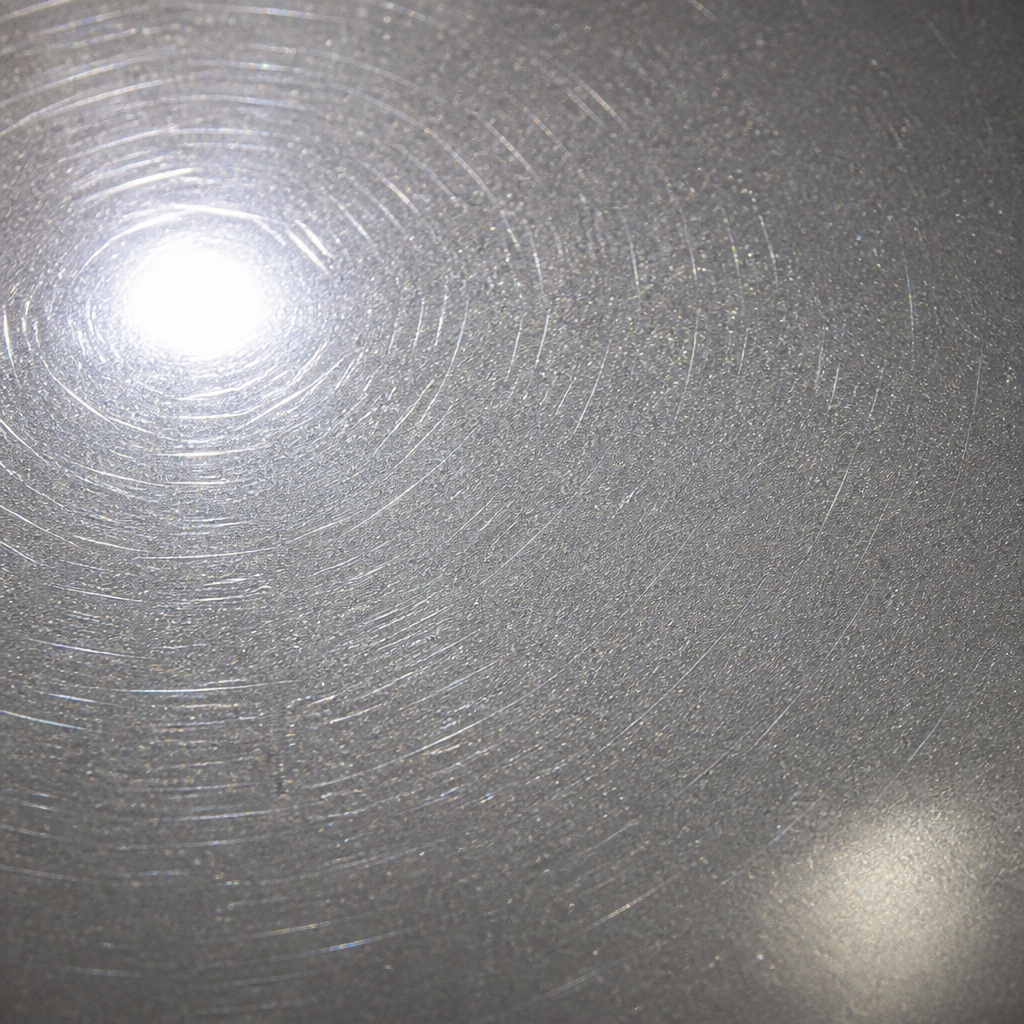
In practice, a single pass through a standard tunnel car wash produces hundreds of fine scratches per square foot of painted surface. These scratches are not visible at first glance in flat sunlight. But stand next to your car in direct sunlight or under an artificial light source and tilt the panel at an angle. The swirl pattern becomes immediately obvious on any dark or mid-tone color, and it is already there after just a handful of visits.
The damage mechanism is straightforward. Clear coat is a relatively thin layer, typically between 40 and 60 microns on most production vehicles. Automated wash equipment does not discriminate between lifting loose dirt and dragging embedded grit. The result is a clear coat surface that looks increasingly hazy over time, scattering light instead of reflecting it cleanly.
Pro tip: If you want to check your paint's current condition without professional equipment, hold a single light source at a low angle to a freshly washed panel. Any circular or arc-shaped scratches visible in that lighting are swirl marks from improper washing, and they require machine polishing to remove properly.
Tunnel Car Wash Paint Damage Explained
Tunnel car wash paint damage is not a single dramatic event. It is a slow accumulation of micro-abrasion that most vehicle owners do not notice until the paint looks visibly dull and lacks depth. By the time it is obvious, the clear coat has often been compromised across large sections of the vehicle.
The Brush Contact Problem
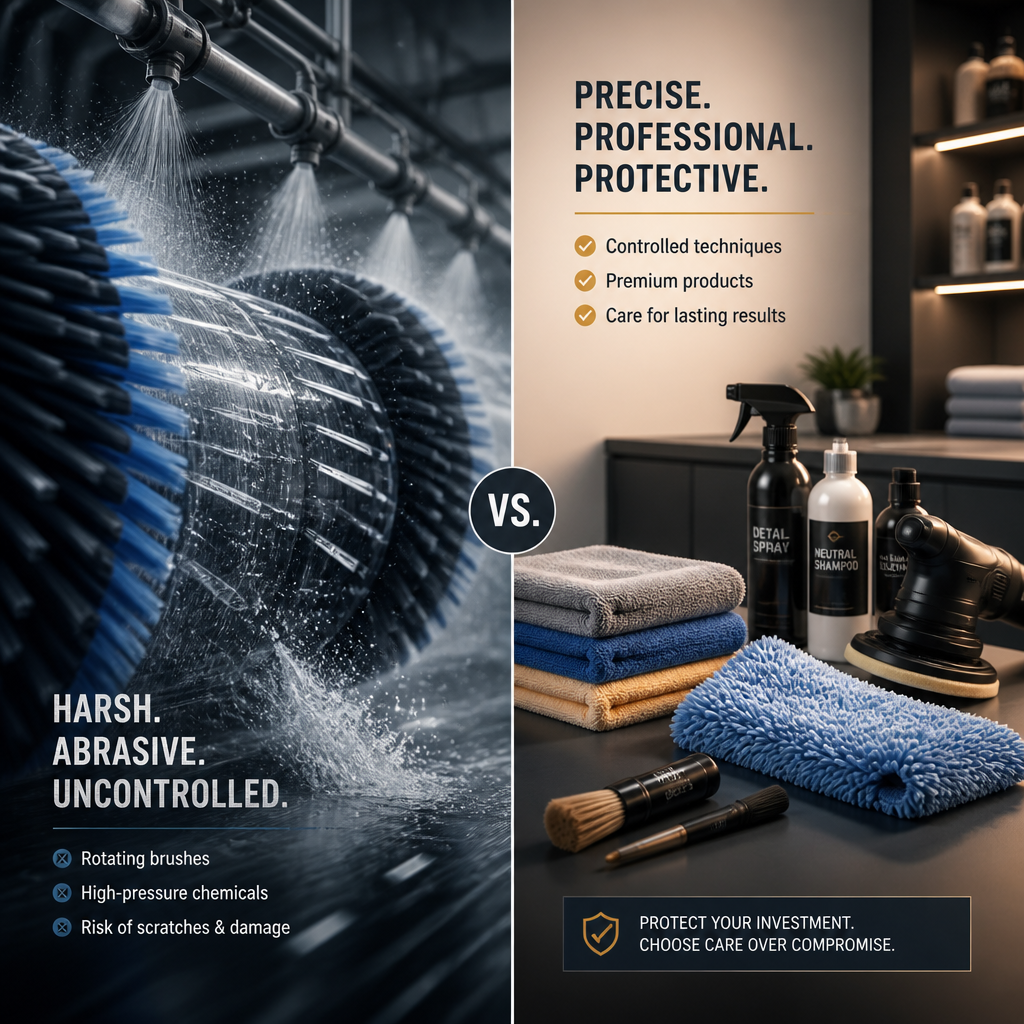
Rotating brush systems apply constant lateral pressure against your paint. The brushes move in arcs, which is exactly why the resulting scratches appear as swirl marks rather than straight-line scratches. Even soft cloth mitts in higher-end tunnel systems trap particles from prior vehicles between their fibers. There is no filtration system that makes this safe for unprotected paint.
High-pH Chemical Stripping
Most tunnel car washes use high-alkaline pre-soaks with pH levels between 11 and 13 to break down road film quickly. At those concentrations, these chemicals actively degrade wax and paint sealants within a single application. For vehicles without a hardened ceramic coating, repeated exposure strips away every layer of protection applied at home or by a previous detailer.
Recycled Water and Residue
Tunnel car wash operations recycle their wash water to reduce costs. That recycled water contains dissolved contaminants from dozens of prior vehicles, including brake dust, iron particles, and road salt. Rinsing your car with that water does not clean it. It redistributes contamination across the surface before it dries, leaving mineral deposits that etch into unprotected clear coat.
"Clear coat scratches from improper washing are among the most common and preventable forms of paint damage we see on vehicles brought in for paint correction. The accumulation is gradual but the restoration cost is real." - Hersheys Detailing, Glendale Heights, Illinois, based on 7 years of professional paint correction work across 500+ vehicles.
Swirl Marks From Car Washes in Illinois
Illinois creates a particularly aggressive environment for vehicle paint, and the Chicago suburbs amplify the problem. The combination of road salt used from November through March, iron-heavy fallout from nearby rail corridors, and the freeze-thaw cycle that loosens road aggregate makes the paint contamination problem worse here than in warmer, drier climates.
Swirl marks from car wash Illinois use cases are more severe than a typical sun-belt vehicle for one specific reason: drivers here are conditioning themselves to wash more frequently because of salt exposure, and they are using tunnel car washes to do it. More wash cycles means more abrasive contact, means more swirl mark accumulation per year.
Why Dark and Metallic Colors Show Damage First
Dark colors such as black, dark navy, and dark grey reveal swirl marks most aggressively because the light scattering from scratched clear coat contrasts sharply against the dark base coat underneath. Metallic paints on colors like silver and champagne hide damage slightly longer, but they are equally susceptible to the same abrasion. The damage is there either way. It is just harder to photograph on lighter metallic finishes.
The Salt-Contamination-Wash Cycle
A vehicle driven on salted Illinois roads accumulates road salt and iron fallout across the entire lower half of the body. A tunnel car wash does not decontaminate these particles. It physically grinds them across the paint under brush pressure. The correct process is a dedicated iron decontamination treatment followed by a clay bar process before any mechanical washing contact is made. No automated car wash in the Chicago suburbs does this.
Pro tip: During Illinois winter months, a proper hand-wash using the two-bucket method with a grit guard, followed by an iron fallout spray, removes road contamination without dragging particles across the clear coat. This takes longer than a tunnel wash. It also does not destroy your paint in the process.
Car Wash vs Professional Detailing: What You Actually Get
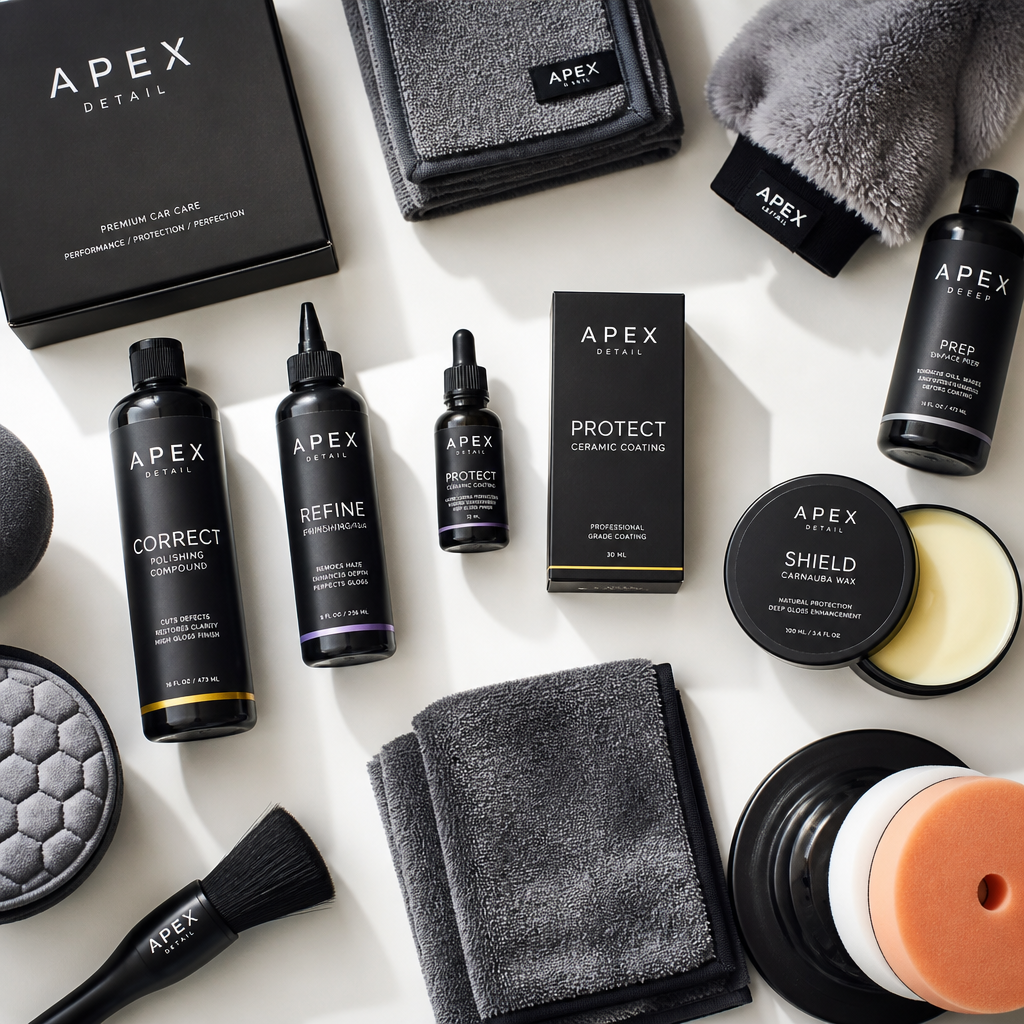
The comparison between a car wash and professional detailing is not a question of frequency versus quality. It is a question of whether the process being applied to your paint is net-positive or net-negative for the surface. Automated car washes are consistently net-negative for unprotected paint. Professional detailing is net-positive by design.
| Criteria | Automated Tunnel Car Wash | Professional Detailing (Hersheys Detailing) |
|---|---|---|
| Paint Contact Method | Rotating brushes or foam pads shared across all vehicles with no cleaning between cycles | Clean, dedicated microfiber wash media per vehicle using two-bucket method with grit guards |
| Decontamination | None. High-pH chemicals strip protection but do not remove iron fallout or road salt particles | Full iron decontamination spray and clay bar treatment before any wash contact |
| Swirl Mark Generation | Generates new swirl marks with every single visit | Multi-stage machine polishing removes existing swirl marks and does not introduce new ones |
| Protection Applied After Wash | Tunnel spray wax at pH 6-7, stripped by the same chemicals used in the wash cycle itself | Nano-ceramic SiO2 coating with 5-8 year warranty, bonded directly to clear coat |
| Long-Term Paint Outcome | Progressive clear coat degradation, loss of depth and gloss, premature oxidation | Maintained optical clarity, preserved resale value, durable hydrophobic protection |
| Cost Per Visit (Chicago Suburbs) | $10-$25 per visit, monthly = $120-$300 per year with ongoing damage accumulation | One-time ceramic coating investment with annual maintenance detailing preserving the result |
The data consistently shows that vehicle owners who switch from automated car washes to professional maintenance detailing after a ceramic coating report significantly better paint condition at the 3-5 year mark compared to vehicles that relied solely on tunnel washing. The upfront investment in detailing pays forward in both appearance and resale price.
Ceramic Coatings and Long-Term Paint Protection
A professional nano-ceramic SiO2 coating fundamentally changes how your vehicle's surface responds to environmental contact. The coating chemically bonds to the clear coat and creates a hardened layer rated at 9H on the pencil hardness scale. That hardness makes the surface significantly more resistant to the abrasive contact that automated car wash equipment delivers.
The coating does not make your paint invincible against scratches. What it does is create a sacrificial layer that takes the abrasion damage before the actual clear coat does. For vehicle owners in Wheaton, Carol Stream, and Bloomingdale who cannot avoid driving through the kinds of road conditions that make washing necessary several times per month, ceramic protection is the only practical long-term solution.
What the 5-8 Year Warranty Actually Covers
The ceramic coatings applied at Hersheys Detailing carry 5 to 8 year warranties tied to the coating's hydrophobic performance and bonding integrity. This is not a marketing warranty on paper. It reflects the actual service life of a properly installed SiO2 coating maintained through professional annual maintenance washes. A coating that is regularly subjected to automated tunnel washes with high-pH chemicals will degrade faster than one maintained with proper pH-neutral products.
Paint Correction Must Come Before Coating
A ceramic coating applied over swirl-marked, scratched paint does not hide the damage. It locks it in permanently under a high-gloss surface, making every swirl mark more visible because the coating amplifies reflectivity. The correct sequence is full paint correction via multi-stage machine polishing first, then ceramic coating application. This is the standard Hersheys Detailing follows on every coating job, and it is why the results hold up visually for years rather than months.
What Professional Detailing Actually Fixes
There is a common misconception that professional detailing is just a more expensive version of a car wash. It is not. Professional detailing is a restoration and protection process. The car wash is neither. When a vehicle arrives at Hersheys Detailing with years of automated car wash history, the damage assessment typically covers three specific conditions that a car wash has never addressed and cannot address.
Removing Embedded Contamination
Road tar, industrial fallout, iron particles from brake dust and rail contamination, and tree sap all embed below the surface layer of dirt. A car wash removes loose surface dirt. It does not remove contamination that has physically bonded to the clear coat surface. A clay bar treatment or chemical decontamination process is required to strip these particles safely. Leaving them in place and washing over them repeatedly is what causes the grinding damage that produces swirl marks.
Machine Polishing for Swirl Mark Removal
Multi-stage machine polishing uses progressively finer abrasive compounds applied with a dual-action or rotary polisher to remove the top layer of damaged clear coat and expose the undamaged material underneath. This is the only way to remove swirl marks. No car wash, spray wax, or consumer detailing product can do this. The process requires trained hands, proper lighting, and knowledge of how deep the damage sits relative to the remaining clear coat thickness.
Interior Decontamination and Odor Removal
Automated car washes do nothing for interior surfaces. Professional interior detailing removes biological contamination from upholstery and carpets, treats leather to prevent cracking, and eliminates odors at the source rather than masking them. For vehicle owners in the Chicago suburbs who carry pets, children, or sport equipment regularly, interior detailing is not optional maintenance. It is structural preservation of the cabin materials.
Pro tip: If you are considering a ceramic coating for a vehicle that has been through automated car washes regularly for two or more years, budget for a paint correction service first. Inspect the paint under a swirl-finder light before committing to a coating-only appointment. The correction step is what makes the coating worth the investment.
Frequently Asked Questions
Are touchless car washes safe for my car's paint?
Touchless car washes eliminate brush abrasion but rely on extremely concentrated alkaline and acidic chemicals to compensate for the lack of mechanical scrubbing. These chemicals strip wax, paint sealants, and unprotected clear coat with repeated use. A touchless wash is less immediately damaging than a brush tunnel wash, but it is not a safe long-term solution for a vehicle with quality paint protection.
How do I know if my car already has swirl marks from car washes?
Inspect your paint in direct sunlight or under a single LED light source held at a low angle to the panel. Swirl marks appear as circular or arc-shaped fine scratches that create a hazy, dull pattern across the surface. They are most visible on dark colors but present on all finishes. If you see this pattern, machine polishing is the only process that removes it.
How often should I get professional detailing instead of a car wash?
For vehicles with a ceramic coating applied by a professional, a proper maintenance wash every 6 to 8 weeks is sufficient. For unprotected vehicles in Illinois, a professional hand wash and spray sealant application every 4 to 6 weeks is far safer than weekly tunnel car washes. The goal is to remove contamination without generating new paint damage in the process.
Can paint correction fix all the damage from years of automated car washes?
Paint correction via multi-stage machine polishing can remove swirl marks, fine scratches, and light oxidation effectively. The limitation is clear coat thickness. Every paint correction removes a small amount of clear coat material. Vehicles with very thin remaining clear coat, typically from decades of repaints, poor factory application, or extremely aggressive polishing history, may not have sufficient thickness to support a full correction. A professional thickness gauge measurement before any polishing work identifies this risk.
Is a ceramic coating worth the cost compared to regular car washes?
Yes, and the math is straightforward. A weekly tunnel car wash at $15 costs roughly $780 per year while actively damaging your paint surface. A professional ceramic coating with proper paint correction and a 5 to 8 year warranty amortizes to a significantly lower annual cost while preserving or improving the vehicle's resale value. For luxury and high-end vehicles in the Chicago suburbs, the case for ceramic coating over automated car washes is not a close comparison.
Why are swirl marks from car washes worse in Illinois than other states?
Illinois road conditions create a higher concentration of abrasive contamination on vehicle surfaces than most other states. Road salt, sand aggregate used for traction, iron fallout from rail infrastructure near the Chicago suburbs, and industrial particulate matter all embed into vehicle paint more aggressively between October and April. Tunnel car washes then distribute this contamination under brush pressure across the entire painted surface, compounding the abrasive damage with every cold-weather wash cycle.
Have you noticed swirl marks or dull paint on your vehicle after regular car wash visits? Share what you have observed and we would like to hear what finally prompted you to look into professional detailing.
References
- Forbes: Automotive care and vehicle value preservation industry coverage
- Statista: Car wash industry market data and consumer behavior statistics
- Consumer Reports: Independent vehicle care product and service testing findings
- U.S. Environmental Protection Agency: Vehicle washing water runoff and chemical use guidelines
- SAE International: Automotive paint systems, clear coat durability, and surface engineering research