Every October, the same question comes up in our shop: the leaves are down, the nights are dropping into the 40s, and the car still needs protection before winter salt arrives. Can ceramic coating in cold weather in Illinois fall actually work, or does the job have to wait for spring? In the Chicago suburbs, the honest answer is yes, but only if the shop controls the conditions that matter. The coating does not care what month it is. Surface temperature, humidity, and cure time do, and those are what separate a glossy, durable finish from one that hazes or fails early.
Table of Contents
- Quick Takeaways
- What Temperature Does Ceramic Coating Need?
- Flash, Cure, and Humidity in Cool Weather
- The Real Fall Window in the Chicago Suburbs
- Heated Bay, Garage, or Driveway: Choosing the Setup
- Picking a Product That Tolerates Cool Shops
- Curing Through Your First Chicago Winter
- When to Wait Instead of Coating in Late Fall
- Frequently Asked Questions
- References
Quick Takeaways
| Key Insight | Explanation |
|---|---|
| Check the minimum application temperature first | Most coatings list a floor near 50°F and an upper limit near 85°F on the technical data sheet. The label is the rule, not the forecast. |
| Measure the panel, not the air | Flash and cure depend on the paint surface. A 58°F afternoon can still leave a shaded hood or door in the low 40s. |
| Plan for longer flash and cure | Cool conditions stretch the wipe window and the cure. Schedule extra days before washing or releasing the car. |
| Hold humidity below about 50% indoors | Damp fall air can leave a dull veil or hazing that polishing will not fully remove. |
| A controlled bay beats an open driveway | Dew, wind, and temperature swings land directly on wet paint when you coat outdoors in late October. |
| Wait for a stable stretch rather than forcing a coat | Correcting a rushed cold-weather coat often means more paint work than the calendar gained. |
| Salt season is the real deadline | Coating before the first treated roads matters more than finishing by Halloween. |
What Temperature Does Ceramic Coating Need?
Every ceramic coating has a minimum application temperature printed on its technical data sheet, and for most products that floor sits around 50°F with an upper limit near 85°F. That range is the first thing we check, and it is the first thing people skip when they ask whether fall is fine. Manufacturers set these limits because the chemistry needs enough warmth to flash and level evenly. Working below the floor raises the odds of high spots, hazing, and cure failure.
Air Temperature Versus Panel Temperature
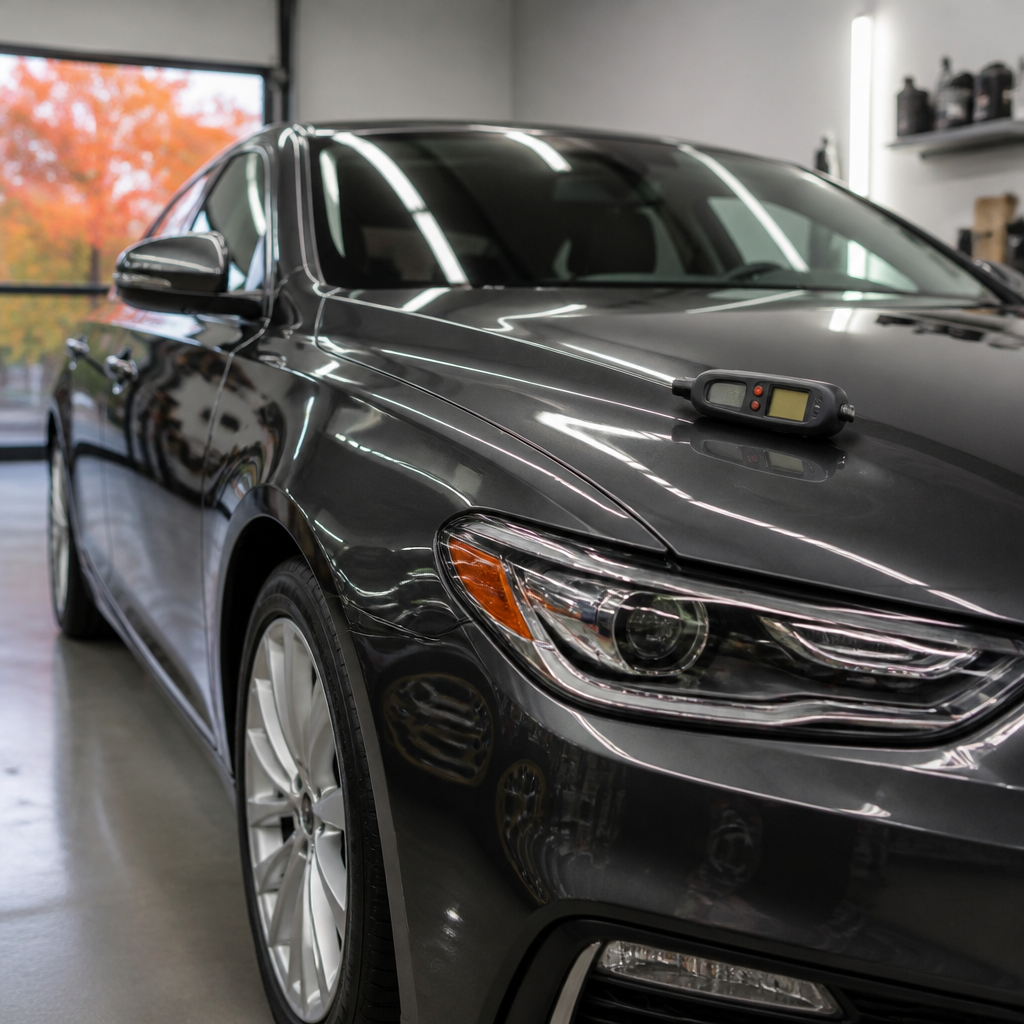
The number that matters is the temperature of the paint, not the weather app. A car can sit in a driveway at 58°F in the afternoon and still have panels in the low 40s after a cold night, especially shaded areas and the hood, which shed heat quickly. We take an infrared reading on each panel before we open a bottle. If the panel reads below the product minimum, the car moves inside and the job waits.
Why a Warm Afternoon Can Still Fail
Sun can push the air into the 60s while the car is still cold from the night. Coating a cold panel in that window means the product begins to flash before it has spread evenly, and the streaks often show only when the light hits the paint at an angle. A sunny window is not the same as a usable window.
Pro tip: Take panel readings at the same spots on the hood, roof, and lower door before every coat, and write them on the job card. Someone else on the team should be able to see the numbers without asking you.
Flash, Cure, and Humidity in Cool Weather
Flash is the stage where solvents leave the coating and it begins to bond to the paint. Cool weather slows that stage, which sounds like a gift because the wipe window stretches. The catch is that the product sits longer on a surface that never fully warmed up, and that is where uneven results start.
Humidity is the variable people underestimate in October. Damp mornings are common across the suburbs, and a garage that feels dry can still carry enough moisture to cause hazing or a dull veil after cure. Our target is a space held between 60°F and 75°F with humidity below about 50% before and during application. Warm and dry matter more than warm alone.
Reading the Rainbowing Cues
In cool conditions, the rainbowing effect, the oily color sheen that shows while the coating flashes, can appear later than you expect. We put down a test spot on a hidden panel, usually a lower rocker or the inside edge of a rear panel, and watch how it develops before committing to the full vehicle. The test tells us more than the thermometer does about how the shop is actually behaving that day.
Pro tip: Time the flash on your test spot, then compare it with the panel you plan to coat next. If the test spot takes noticeably longer, slow your pace across the car instead of rushing the rest of the job.
Infrared Lamps and Extended Cure
If a lamp is used to warm a panel, keep it at the distance the manufacturer specifies and keep it moving. Heat concentrated on one spot can cure the coating unevenly and leave a patchy look. After application, extend the wait before any boosters, washing, or handing the car back to the owner. A coating that looks finished on Saturday can still be soft on Monday if it went on cold.
The Real Fall Window in the Chicago Suburbs
Fall in the suburbs is not one season. Early October often gives stretches that work well, while late October and November bring nights that drop well below the product minimum and days that never warm the shop floor. The practical window is the period when your space stays in range for the whole job, not just on the days the forecast looks mild.
A proper coating job takes several days once you count decontamination, machine polishing, the coat itself, and cure. Booking a coat for the first cold week of November is where most problems start, because the schedule pushes a team to work through a chill instead of stopping. Weather can change between a Tuesday and a Thursday, so plan around the room, not the calendar.
Owners in Carol Stream, Bloomingdale, and Wheaton often ask us whether a late-season coat is still worth it. Our answer depends on the car and the shop, not the date on the calendar. A vehicle that has a clean, fully corrected finish and a controlled bay is a good candidate. A car that needs paint correction in a cold driveway is not.
Building a Buffer Into the Schedule
Build a buffer day into any fall booking. If the forecast shows a cold snap, move the coating day rather than pushing the room temperature. A one-week delay costs far less than correcting a hazed panel, and most owners prefer a clean finish in a slightly later week.
Heated Bay, Garage, or Driveway: Choosing the Setup
The setup decides more than the product does once the weather turns. A bay that holds a steady temperature and controls dust gives you the most predictable results. A driveway gives you almost none of that control, and the wind alone can ruin a flash.
Comparing Common Setups
| Setup | Where It Works | Main Risk |
|---|---|---|
| Heated indoor bay | Holds steady temperature and dust control across the full job | A heater placed too close to the car can cause uneven flash |
| Insulated garage with portable heat | Works for smaller jobs if the room holds 60°F and humidity stays below about 50% | Cold floors and door drafts pull panel temperature down overnight |
| Open driveway or street | Rarely acceptable in late fall | Dew, wind, and temperature swings land on freshly coated paint |
A portable heater is a tool, not a solution. Turning one on does not guarantee the panel is in range, and it does not fix a damp room. We judge the setup by the panel reading and the humidity reading together, every time.
Picking a Product That Tolerates Cool Shops
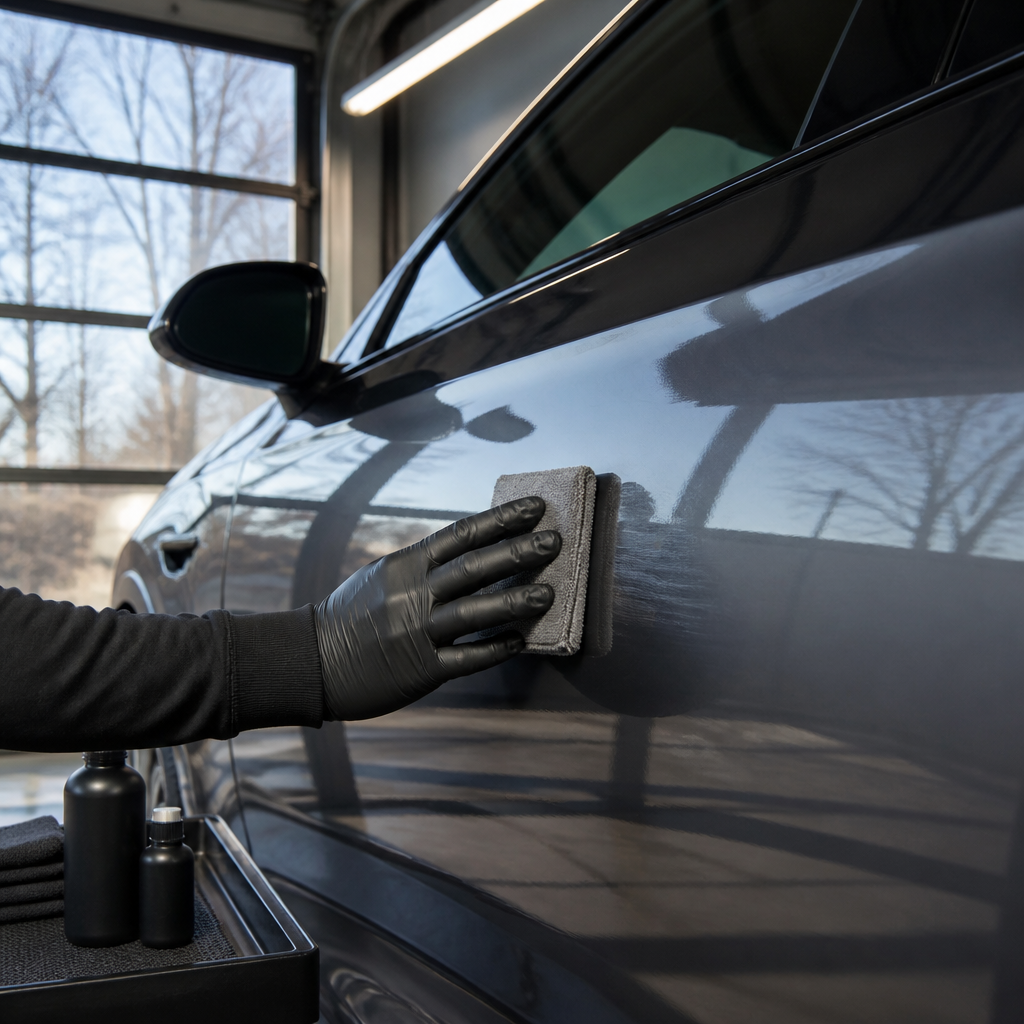
Not every coating behaves the same when the room is marginal. Some products have more forgiving flash times and handle changing humidity better, while others need tighter control. Read the technical data sheet before you buy, not after the car is already prepped.
Spray-Applied Coatings in Cool Conditions
Spray-applied coatings are often positioned as easier to use in cooler weather, and they generally need less cure work than some traditional liquid coats. The tradeoff is build. A thin layer suits maintenance and light enhancement better than a long-term foundation on paint that needs serious correction. Match the product to the job, not to the season.
Choosing for Your Team's Skill Level
A product your team can apply consistently at 55°F matters more than the most advanced formula on paper. A coating that demands perfect conditions will cost more in rework when fall weather varies from one day to the next. We would rather use a product we can control precisely than one that looks better in a brochure.
Pro tip: Ask the manufacturer for the cold-weather flash and cure guidance for the exact product batch you are using, and write the answer on the job sheet. Batch details can change, and the printed label may not reflect the current recommendation.
Curing Through Your First Chicago Winter
A coating applied in October gives the paint a head start on winter, but the first few weeks after application matter a great deal. Keep the car dry and out of heavy weather during the initial cure. Rain, heavy dew, or a hard freeze right after the coat can mark a surface that has not yet hardened fully.
The First Two Weeks
Keep the car in a garage if you can during the early cure, and follow the manufacturer's wash interval exactly. Avoid automatic car washes with brushes, and do not apply wax or sealant on top unless the coating maker approves it. A few gentle, deliberate washes beat a rushed rinse at the first sign of road grime.
Salt Season Maintenance
A coating applied in fall still needs regular washing through winter. Rinse off road salt within a few days when the roads are treated, especially on the lower body panels and wheel wells where it collects. The coating makes salt easier to remove, but it does not make the car immune to it.
When to Wait Instead of Coating in Late Fall
Our position is simple. If the shop cannot hold the minimum temperature and humidity for the whole job, do not coat. Waiting costs a few weeks, while rushing can cost a correction that means more paint removal and more time in the bay.
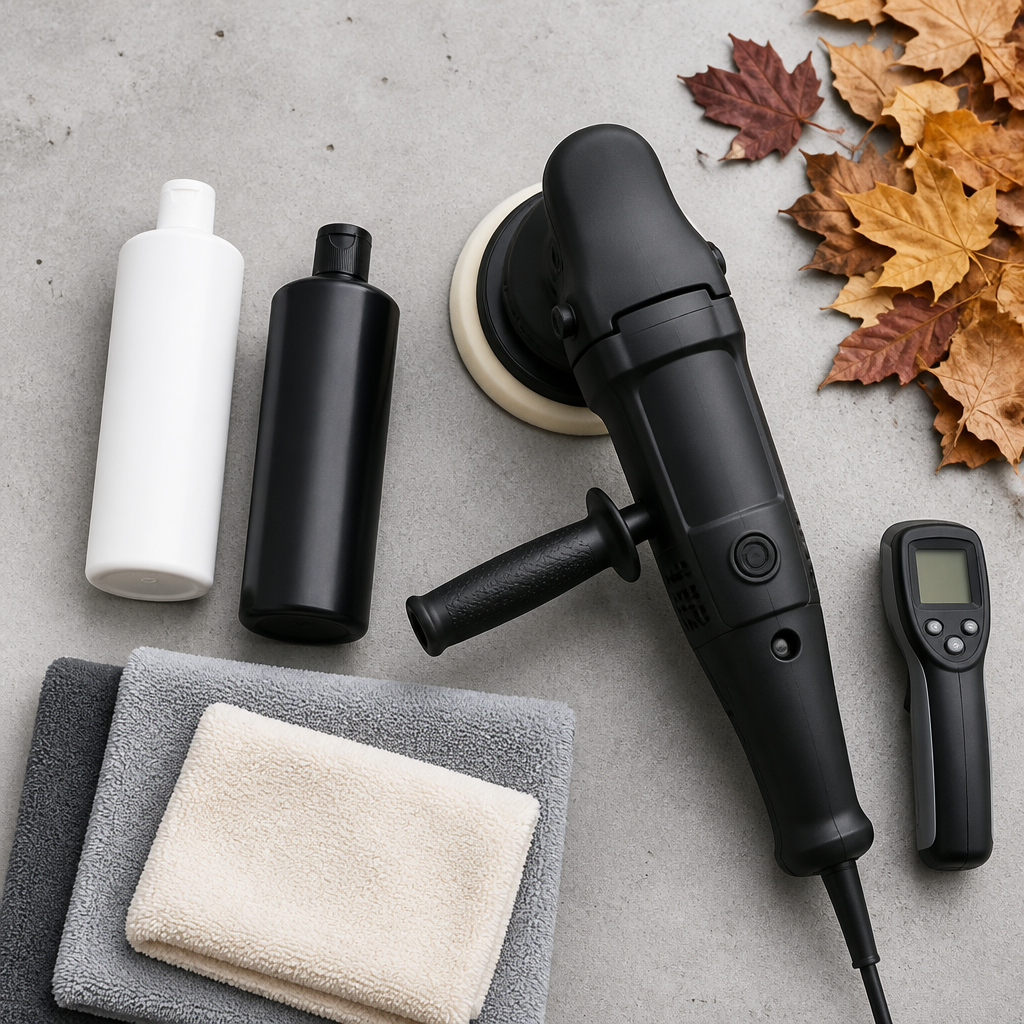
A coating can reward good conditions for years, but it cannot correct a shortcut made in a cold room.
Clear signs to wait include forecast lows that fall below the product minimum for the job window, work that would have to happen outdoors, and humidity you cannot control. If the car is heading into salt season and no warm room is available, a short delay until the bay is ready is usually the better call. Protecting the finish matters, but a flawed coat is worse than no coat at all.
Frequently Asked Questions
Can you apply ceramic coating when temperatures are in the 40s in Illinois?
Usually not, at least not outdoors or in an unheated space. Panel temperatures in the 40s are typically below the minimum listed for most products, so the coating can flash and cure unevenly.
What is the minimum temperature for ceramic coating?
Most products list a floor near 50°F for the surface and room, with an upper limit near 85°F. The exact number is on the technical data sheet for your specific product, so check that before every job.
Does humidity matter for ceramic coating in the fall?
Yes, and it is one of the most overlooked variables. Humidity above about 50% in the working space raises the risk of hazing and a dull finish, even when the temperature looks right.
Is a garage heater enough for a cold-weather coating job?
A heater helps, but it is not enough on its own. The room has to hold the temperature range and humidity target steadily, and the panels have to reach the minimum before you open the product.
Should I coat my car before winter if I cannot find a warm day?
Coat it only if you have a controlled indoor space that holds the product's conditions for the full job. If you do not, wait for a stable stretch in the spring, and keep the car clean and washed through winter in the meantime.
Have you had a ceramic coating applied in the fall, or did you wait for spring, and how did the finish hold up through the first winter?
References
- Guide on whether ceramic coating can be applied in cold conditions
- Fall and winter ceramic coating tips covering temperature, humidity, and cure times