Halloween night is one of the few times a year when a car parked on a quiet Glendale Heights street can wake up with yolk running down the door, wet toilet paper wrapped around the mirrors, or a bumper smeared with candle wax. Most owners assume the mess is cosmetic and can wait until after breakfast. That wait is where the paint gets hurt. Egg can dry and bond to clear coat within hours of warm sun, paper fibers grind into the finish as they dry, and wax needs solvent and heat, not soap. Here is how to protect your paint on Halloween and what to do when it happens anyway.
Table of Contents
- Quick Takeaways
- Why Halloween Night Is a Paint Risk
- Egg Damage: Removal Without Etching
- Toilet Paper Residue on Paint and Trim
- Wax and Candle Residue
- Reporting Vandalism and Insurance
- Prevention Before Dark
- Timing: The First 24 Hours
- Removal Methods Compared
- Emergency Detailing in Illinois
- Frequently Asked Questions
- References
Quick Takeaways
| Key Insight | Explanation |
|---|---|
| Remove egg the same day | Dried egg hardens and bonds harder with every hour of sun. A morning cleanup is far easier than an afternoon one. |
| Never scrub dry egg | Dried shell fragments and film act like sandpaper. Soak the spot first, then lift with light pressure. |
| Use warm water, not hot | Warm water softens residue. Hot water on a sun-baked panel can dry the spot faster and make it harder to lift. |
| Soak toilet paper, don't drag it | Dragging dry tissue across clear coat drives in grit and creates fine scratches that show in direct sun. |
| Soften wax with low heat | A hair dryer on a medium setting loosens candle wax. Scraping cold wax with a razor or fingernail gouges paint. |
| Photograph before you clean | Time-stamped photos of every mark support police reports and insurance claims, and they are gone once the paint is wiped. |
| Book an inspection within 48 hours | Etching may need machine polishing. Early assessment keeps the correction small and the cost lower. |
Why Halloween Night Is a Paint Risk
Halloween 2026 falls on a Saturday, which means late nights, more teenagers out past their usual hours, and more cars parked on residential streets and driveways overnight. Across Wheaton, Bloomingdale, and Carol Stream, the pattern is the same: the damage happens after dark, and most owners find it the next morning. By then, the residue has had hours to set.
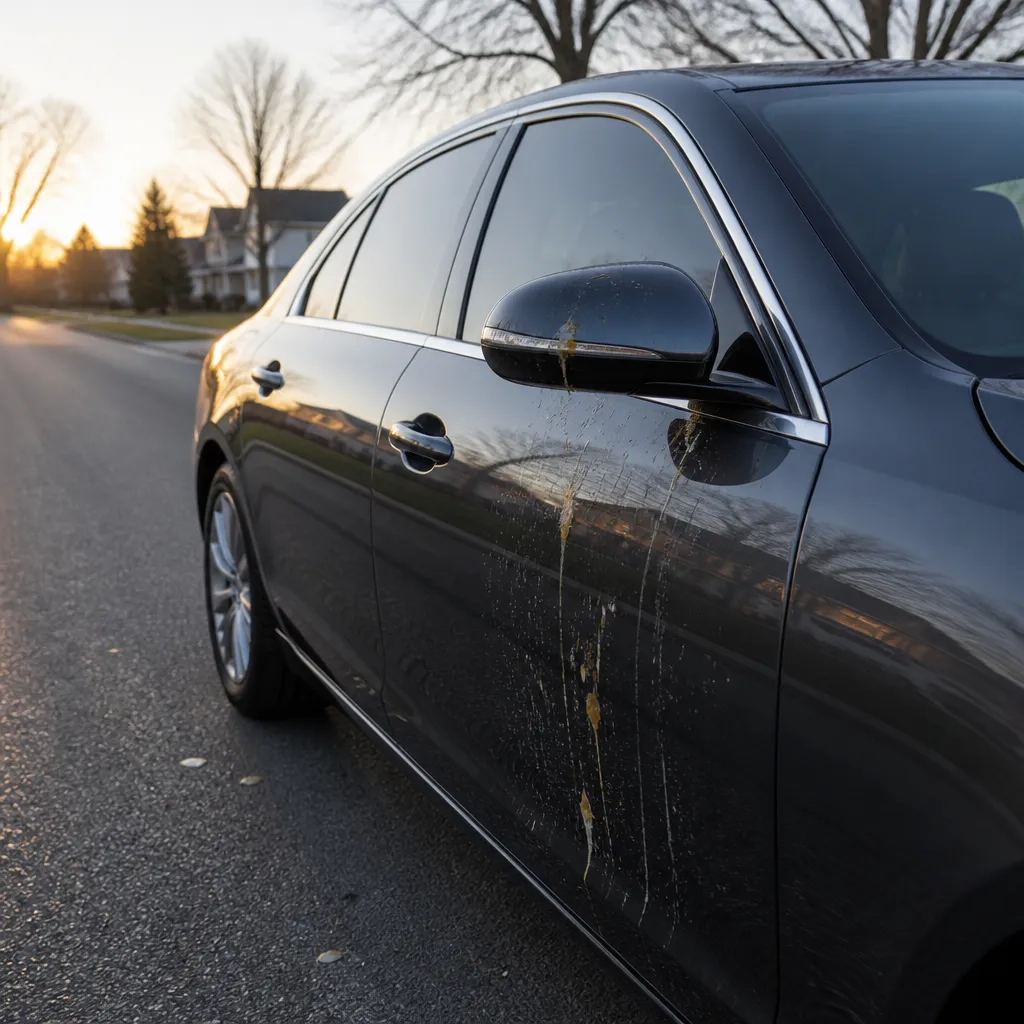
Not all three types of residue cause the same kind of harm. Egg is the most aggressive because its proteins and sugars dry into a film that can bond to clear coat and leave a dull spot. Toilet paper is mainly a scratching and staining problem, since wet fibers drag grit across the finish when they are pulled off dry. Wax bonds to the surface and needs solvent and gentle heat rather than a car wash.
In practice, the biggest mistake is treating all three the same way. An owner who hoses off a car with dried egg and then wipes the door with a dry towel often turns a quick cleanup into a polishing job. The fix is to identify the residue first, then choose the method that matches it.
Time is the variable you control. A splatter that wipes away in five minutes at 8 a.m. can take an hour of careful work by Monday afternoon.
Weekend timing also matters. A car that sits in a driveway on Saturday night can be exposed to residue for many hours before anyone notices it. If you are reading this on Halloween, the best time to set up your cleanup kit is before you go to bed, not after you find the damage.
Egg Damage: Removal Without Etching
Egg damage is a chemistry problem before it is a cleaning problem. Raw egg contains proteins and sugars that dry into a tacky film. Once that film hardens in sun or warm air, it can bond to clear coat, and in some cases the spot is left with a dull or etched look that a wash alone will not remove.
Why dried egg is worse than wet egg
Wet egg is a rinse job. Dried egg is a bonding job. A single afternoon in direct sun can turn a splatter from a surface film into something you can feel with a fingernail. Once it is that firm, any towel you drag across it will carry grit and shell fragments into the paint.
The safe removal sequence
Start by rinsing with a gentle stream to lift loose shell and debris. Then soak the spot for several minutes with warm water and a pH-neutral car shampoo, or lay a microfiber cloth soaked in that solution over the residue. Only after the film softens should you wipe with a plush microfiber, in one direction, using light pressure.
Community advice often mentions a diluted vinegar solution for stubborn egg. It can help, but acid is not forgiving on every finish, so use it sparingly, rinse thoroughly, and check your coating or wax care guide first. Your safest first tool is always warm water and time.
Pro tip: Never use a dry towel, paper towel, or brush on fresh egg. Those tools lift shell fragments and drag them across the finish, which is how most fresh egg spots turn into swirl marks.
When to stop and call a detailer
If the spot still looks cloudy after a proper soak and wipe, or the paint feels rough when you run a clean hand across it, the clear coat may be etched. Rubbing harder will not fix etching, and it can make the area worse. A common mistake is repeating the same wipe ten times in the hope the cloud will vanish. Light machine polishing is usually the next step, and that is a job for trained hands, not a sponge.
Toilet Paper Residue on Paint and Trim
Toilet paper looks harmless, but wet tissue is one of the most common causes of fine marring after Halloween. Paper fibers swell when they get wet, and as they dry they can stick to clear coat, glass, chrome, and rubber trim. The scratching happens when someone pulls the sheet off dry.
Why paper scratches
Dry paper is more abrasive than most owners expect. Each strand picks up grit from the street, and when you pull the sheet across the paint, those particles act like very fine sandpaper. The result is often a web of light scratches that only shows up in direct sun, usually the next morning on the drive to work.
Removing paper from paint, mirrors, and glass
Soak the paper before you touch it. Spray the area with a quality detail spray or a bucket of soapy water, wait a minute, then lift the sheet from one edge rather than sliding it. Mirror housings, door handles, and rubber seals can be cleaned the same way. Avoid harsh solvents on black plastic trim, which can dry it out and leave a gray, chalky finish.
Glass is the easy part. Once the paper is lifted, a clean glass cleaner and a fresh microfiber will take care of the film. Check the mirror edges carefully, because fibers tend to hide in the gap between the glass and the housing.
Pro tip: Rinse or swap your microfiber often while you work. A towel that has picked up paper fibers and grit only moves the problem to the next panel.
Wax and Candle Residue
Wax is the residue that tends to make owners reach for the wrong tool. It is often hard, slightly greasy, and bonded in place by the heat of the day. Scraping it with a fingernail, a plastic card held at a steep angle, or a razor can gouge paint, so the goal is to soften it first and then lift it away.
Softening wax without damaging the paint
A hair dryer on a low or medium setting, held a few inches from the surface and kept moving, will soften most candle wax enough to lift with a plastic scraper or a clean cloth. Keep the panel cool to the touch while you work. Do not use a torch or a high-output heat gun, which can blister trim and soften clear coat.
Solvent cleanup and what to avoid
After most of the wax is off, a dedicated wax and grease remover applied to a clean microfiber will cut the film left behind. Diluted isopropyl alcohol can work on light residue, but test it first on a hidden spot such as the inside of a door jamb. Avoid acetone and aggressive solvents on paint, plastic, or vinyl, since they can soften clear coat and stain trim.
Colored wax, such as crayon-style residue, may leave pigment behind even after the wax is gone. In that case, the remover should go on a little longer, and you should stop and reassess before you rub hard.
Reporting Vandalism and Insurance
Documenting damage before you clean it protects you on two fronts. A police report creates an official record, and insurers often ask for photos taken soon after the incident. Take wide shots that show the car and the street, then close-ups of each mark with a coin or ruler in the frame for scale.
What to photograph before cleaning
Photograph the entire vehicle from all four sides, then each residue area in close-up. Shoot in daylight if you can, and note the time you found the car and whether it was parked on the street, in a driveway, or in a garage. These details matter when you file, and they are impossible to recreate after the paint is clean.
How vandalism claims usually work
In many standard auto policies, vandalism is handled under comprehensive coverage rather than collision coverage. Your deductible applies, so a minor cleanup may cost less out of pocket than filing a claim. Terms vary, so check your own policy and call your agent before you assume either way.
Prevention Before Dark
The cheapest protection is a parking decision. Park in a garage if you have one. If you don't, choose a spot under a working streetlight, away from corners where groups tend to gather. A car tucked among others with its windows fully closed is harder to target than one sitting alone at the curb.
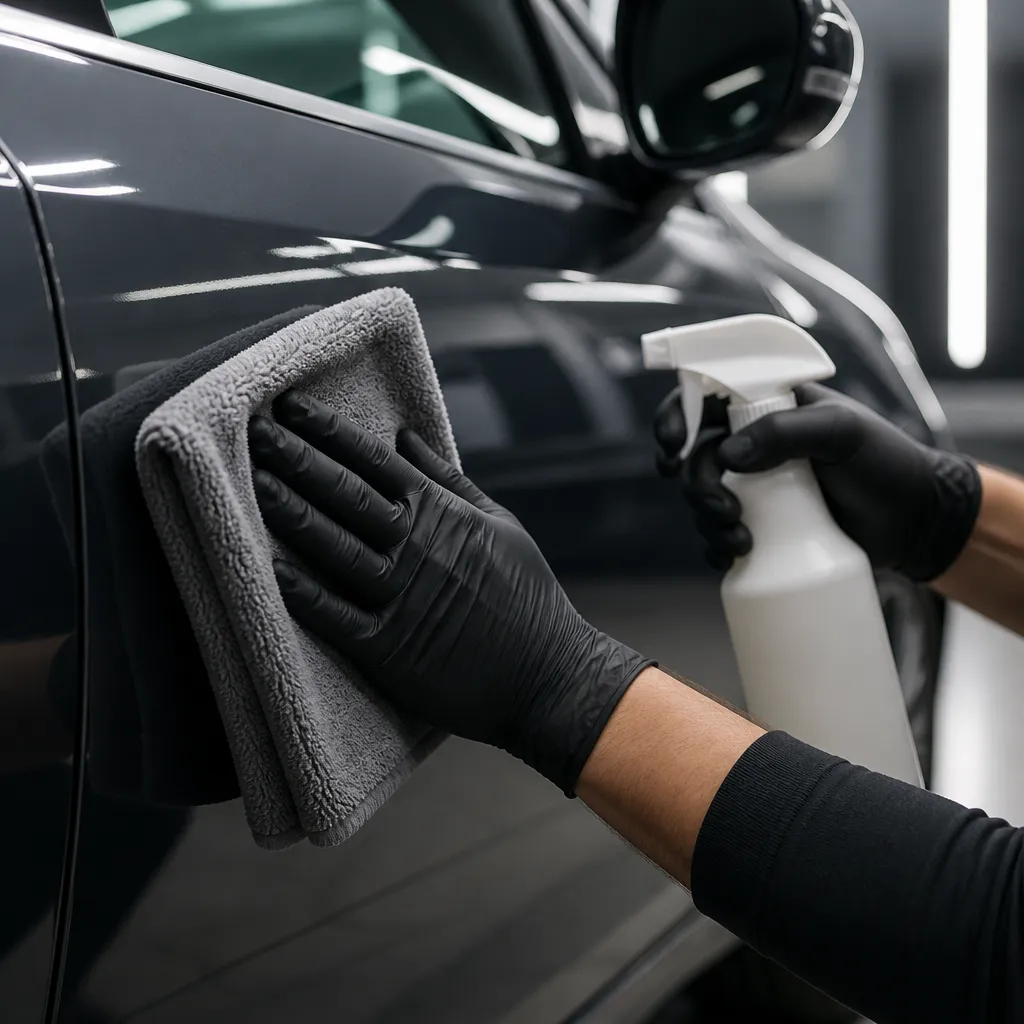
Protective layers that help
A ceramic coating or a well-maintained sealant gives you a sacrificial layer that makes egg and wax easier to release. It does not make paint immune. A coated panel still needs a prompt wash, but the residue sits on top of the coating instead of bonding deep into the finish. Our nano-ceramic SiO₂ coatings, backed by 5 to 8 year warranties depending on the package, are built for exactly this kind of exposure.
Simple habits for Halloween night
Keep a bottle of car-safe detail spray and a few clean microfiber towels in the trunk or garage. Those two items let you soften and lift a fresh mark in the first few minutes, which is when most spots are easiest to remove. Skip the bucket of harsh household cleaner, which tends to leave streaks on glass and dull trim.
Pro tip: Park with the damaged side facing away from the street if you can. That small change makes it easier to spot new marks before they set and keeps the most exposed panel out of direct view.
Timing: The First 24 Hours
Timing matters more than technique for most Halloween residue. Overnight temperatures in the Chicago suburbs in late October are often cool, which slows drying. That is why egg found at 7 a.m. is usually easier to lift than egg found at noon after sun has been on the paint for hours.
Why cool nights help, and sunny days hurt
Cool, damp air keeps residue soft for longer. Once the sun warms the panel, the film can harden quickly, and each hour of heat makes bonding more likely. Dark paint shows marks clearly, but it also absorbs more heat, so a black car parked in full sun is the worst case.
The 24-hour window
Aim to start cleanup within 24 hours. Beyond that, etching and bonded residue become more likely, and a shop may need to polish the area before the paint looks right again. Waiting a few days is the most common reason a simple cleanup turns into a correction job.
What to do if residue has already dried
Dried residue calls for a longer soak, not more force. Lay a warm, wet microfiber over the spot for several minutes, reapply as needed, and work in short sessions. If the spot still resists after two or three attempts, stop and book an inspection instead of escalating to harder tools.
Removal Methods Compared
Three approaches cover most Halloween cleanups, and choosing the wrong one is how paint gets damaged. The table below compares them by what they are best for and where they go wrong.
| Method | Best For | Main Risk |
|---|---|---|
| Warm water soak and plush microfiber | Fresh egg, dried egg after a long soak, loose paper fibers | Slow on heavy dried film. Dragging a dry cloth can scratch the paint. |
| Dedicated wax and grease remover | Candle wax, greasy residue, light colored wax film | Can dull trim or soften coatings if left on too long. Always test first. |
| Machine polishing after etching | Cloudy or etched spots that remain after a proper wash | Removes clear coat if used too aggressively or without experience. |
The first two methods handle most cases if you act quickly. Polishing is the last step, not the first, and it belongs in the hands of someone who checks paint thickness and works in controlled light. Matching the method to the residue is the entire game.
Emergency Detailing in Illinois
Some damage goes beyond a driveway cleanup. If egg has dried for days, if wax has bonded into textured trim, or if the paint still feels rough after a careful wash, professional help is the right call. The goal is to stop the damage from spreading into a larger correction bill.
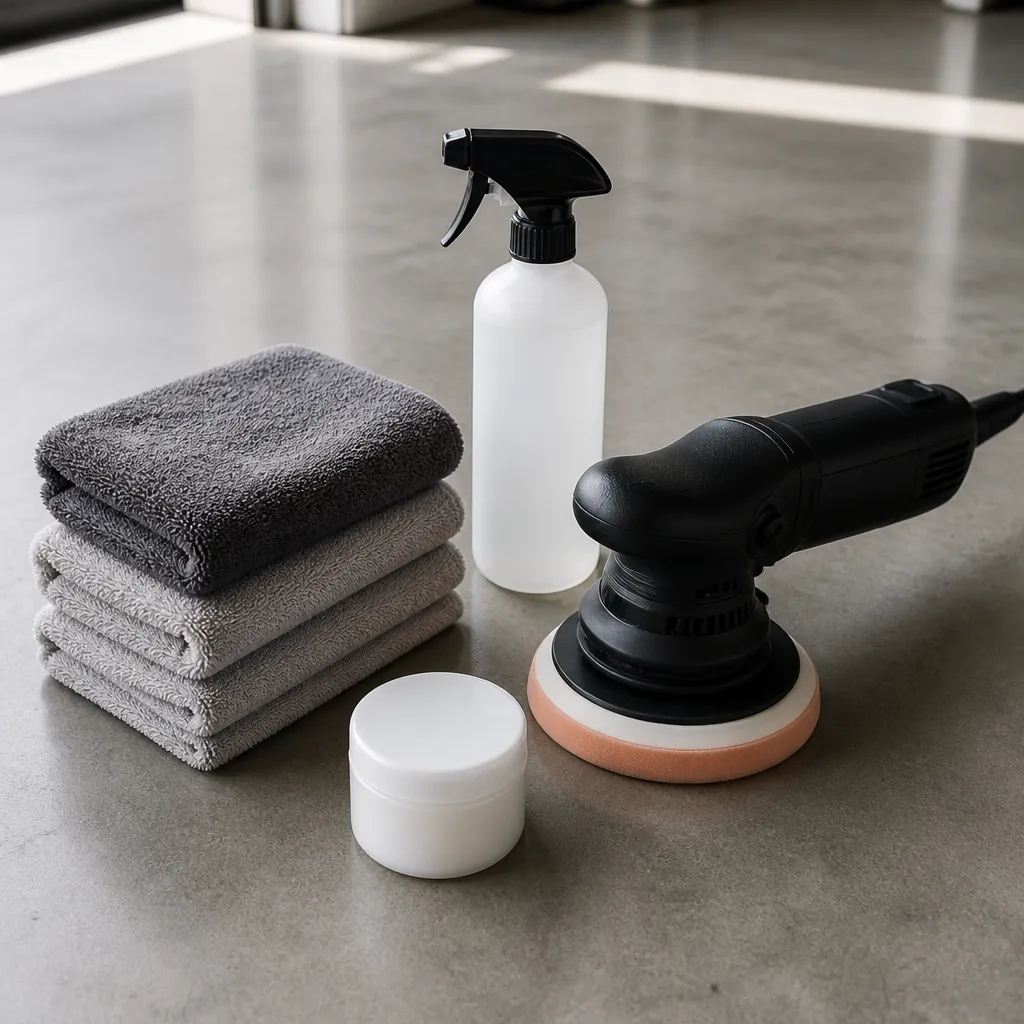
What a professional assessment includes
A proper assessment checks the paint under good light, tests for etching by feel and by close visual inspection, and separates surface residue from clear coat damage. The result is a clear plan: what can be lifted safely, what needs polishing, and what should be monitored. Owners often save money when they hear that answer early.
Why local owners should plan ahead
Owners in Glendale Heights, Carol Stream, Bloomingdale, and Wheaton often leave cars in driveways or on the street overnight, which makes weekend damage easy to miss. Scheduling an assessment the same week keeps small problems small. Contact Hersheys Detailing as soon as you find damage, and tell the team what the residue is, how long it has been on the paint, and where the car was parked.
Frequently Asked Questions
Can egg really damage car paint?
Yes. Dried egg can bond to clear coat, and if it sits in sun for a long time it can leave a dull or etched spot. The longer it stays, the more likely it is that a simple wash will not clear the mark.
Is vinegar safe for removing egg from a car?
It can help on stubborn residue, but acid is not safe for every finish. Use a diluted solution sparingly, rinse it off completely, and check your wax or coating care guide before you use it. Warm water and a long soak should always come first.
Will a regular car wash remove toilet paper residue?
Not reliably. Paper that has dried onto trim, mirrors, or seals often needs soaking and gentle lifting. Brush washes can also drag fibers across the paint, so it is safer to soften and remove the paper by hand first.
Does vandalism damage fall under car insurance?
In many standard policies, vandalism is covered under comprehensive coverage rather than collision coverage. Your deductible may apply, so compare the repair cost with the deductible before filing. Check your own policy terms and call your agent for specifics.
How do I remove candle wax from car paint?
Soften the wax with a hair dryer on a low or medium setting, lift it with a plastic scraper or clean cloth, and finish with a dedicated wax and grease remover. Avoid razors, heat guns, and acetone, which can damage paint and trim.
When should I call a professional instead of cleaning it myself?
Call a professional if the paint feels rough after washing, if a spot stays cloudy after a proper soak, or if residue has been on the finish for more than a day. Early assessment usually means a simpler and less expensive fix.
Have you dealt with Halloween residue on your car, and which removal method worked best for you? Share your experience in the comments below.