Driving off the lot in a leased luxury sedan or SUV feels great, but the paint, glass, and leather start losing value the first time they meet a Chicago winter, an automatic car wash brush, or a gravel shoulder. Most lessees treat detailing as something to think about later, and that delay is the expensive mistake. Leased luxury car detailing in Illinois works best when it starts in week one, because your lease contract, the local weather, and your end-of-term inspection all reward the same habits. Here is how we approach a leased car from the first wash to the day you hand back the keys.
Table of Contents
- Quick Takeaways
- Why Leased Cars Need a Different Protection Plan
- Reading Your Lease Agreement for Wear and Damage Rules
- Protection Options Compared
- Ceramic Coating on a Leased Car: Worth It or Not?
- Paint Correction Before You Coat
- Interior Protection From Day One
- Chicago Winters, Road Salt, and Illinois Weather
- Maintenance Schedule From Day One
- Lease-End Prep and Return Inspection
- Frequently Asked Questions
- References
Quick Takeaways
| Key Insight | Explanation |
|---|---|
| Read the wear and use clause before the first wash | Your lease defines what counts as acceptable wear. Get a copy and note the specific language before you schedule any paint work. |
| Photograph the car on delivery day | Timestamped photos of chips, scuffs, and wheel curb rash give you a baseline if the lessor later disputes the condition. |
| Coat the paint early, not at lease end | A coating applied in the first few weeks protects the factory clear coat from the start instead of trying to restore it later. |
| Correct the paint before you protect it | A coating locks in whatever swirls and etching sit underneath. Multi-stage polishing comes first, every time. |
| Change how you wash, not just what you wash with | Wash technique causes most of the swirl marks we see on leased cars. Two-bucket hand washing and a clean microfiber towel make the biggest difference. |
| Protect the high-touch interior surfaces | Steering wheel rims, leather bolsters, and touchscreen surfaces show wear first, and they are the areas inspectors look at most closely. |
| Book your return prep in the final two to three months | Addressing minor defects while the car is still in good shape costs far less than waiting until the lessor's inspection report arrives. |
Why Leased Cars Need a Different Protection Plan
An owner who buys a car has years to fix paint problems and can decide later whether a repair is worth the money. A lessee has a fixed clock, usually two to four years, and the car goes back with whatever condition it has at that point. That changes which protection steps make sense and when they need to happen.
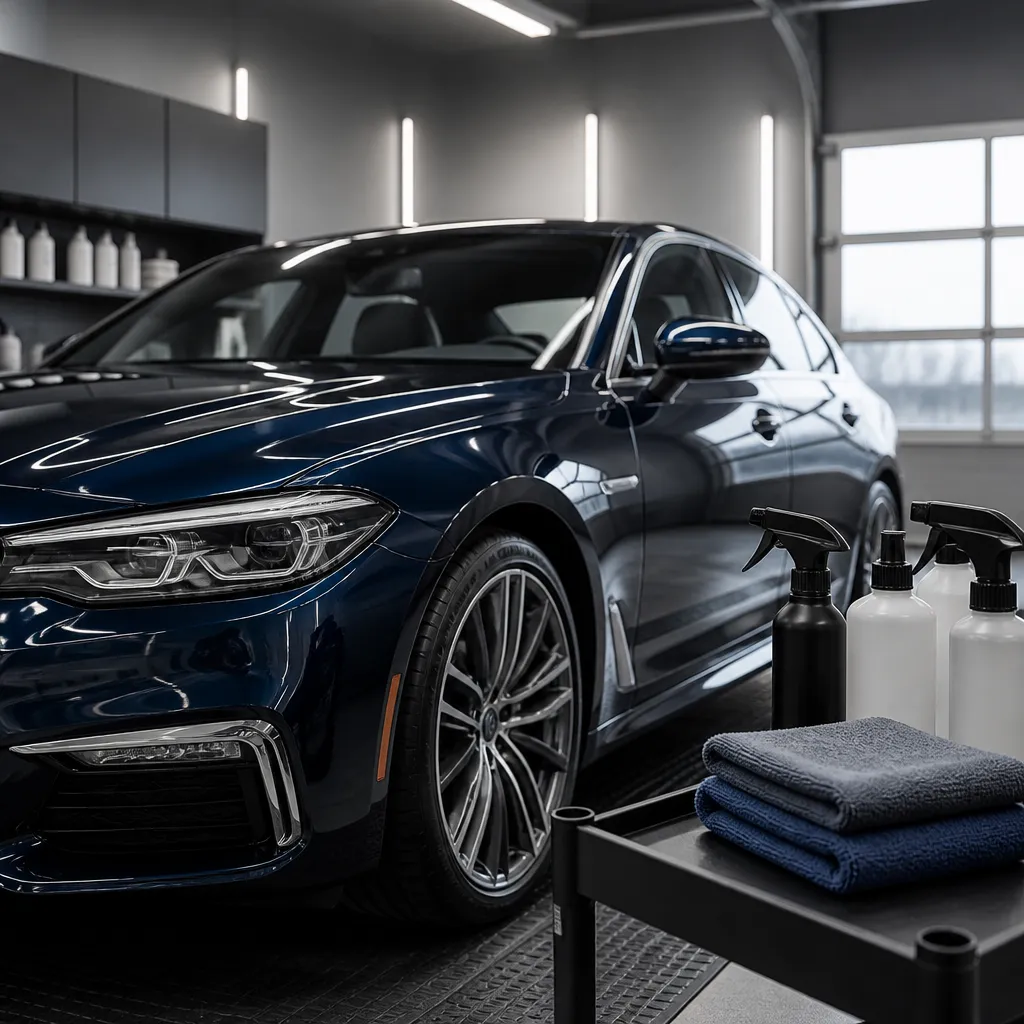
The Lease Clock Changes the Math
On a purchased car, a few light swirls in year one are an annoyance you can polish out in year four. On a leased car, those same swirls become a line item on the return inspection. The cost to correct them rarely goes down with time, and the car's resale value to the lessor is based on its condition at return, not on how well it looked during your ownership.
In practice, this means the early months matter more than most lessees expect. Paint that stays clean and undamaged for the first year usually needs only a maintenance wash and a light decontamination at lease end. Paint that picks up neglect in year one often needs machine correction before it can be presented well.
What Lessees Usually Get Wrong
The most common mistake we see is treating the car as a rental that does not deserve care. Owners who would never run a purchased vehicle through a drive-through brush happily do it on a lease, because the car is not theirs. The paint does not care who holds the title, and the lessor's inspector will read the finish the same way regardless.
The second mistake is assuming the leasing company's warranty or the dealership's detail package covers paint condition. Those programs usually address mechanical issues or basic cleaning. They rarely address the swirls, etching, and bird-dropping damage that drive inspection charges.
Reading Your Lease Agreement for Wear and Damage Rules
Before you think about coatings, pull out your lease and read the section on wear and use. Most lease agreements tie acceptable condition to a published standard, and the exact wording decides whether a chip or scratch is a free pass or a charge. This is the one step that costs nothing and changes everything else on this list.
Find the Wear and Use Clause
Look for language about excess wear, damage, or condition at termination. Many agreements reference an industry standard for what counts as normal wear, and some specify size thresholds for dents, scratches, or chips. Write down the terms in plain language and keep the document in your glovebox or a shared folder.
If the wording is vague, ask the lessor in writing what they consider excessive. A written answer is far more useful later than a verbal assurance from a sales representative who may not be there at lease end.
Know What Lessors Typically Flag
Inspectors usually look at the hood, front bumper, driver-side door, and the leading edge of the roof for stone chips and paint transfer. They also check wheels for curb rash, glass for chips, and the interior for stains, burns, and worn leather. Knowing this list lets you focus your protection budget where it returns the most.
The cheapest repair on a leased car is the one you make while the damage is still small and the paint is still healthy. Waiting turns a maintenance job into a billing dispute.
Pro tip: Ask for the lessor's end-of-lease inspection guidelines when you sign, not in the final month. Compare them against your delivery-day photos so you know which defects are already on the record.
Protection Options Compared
Three protection methods come up most often for leased luxury vehicles in our shop: ceramic coating, paint protection film, and traditional sealant or wax. Each one does a different job, and choosing the wrong one for your driving habits is a common reason lessees end up disappointed. The table below shows where each option fits.
Three Options and What Each Really Does
Ceramic coating creates a hard, chemically bonded layer that resists water spotting, light contamination, and minor chemical etching. It makes the car easier to clean and helps keep the clear coat looking deep. It does not stop a rock from chipping the paint.
Paint protection film is a thin urethane layer applied over high-impact areas. It is the stronger choice for physical impact, which is why it is popular on the front bumper and hood. It is also more expensive to install and requires careful planning around the areas you want covered.
| Protection Option | Where It Works Best | Main Limitation |
|---|---|---|
| Nano-ceramic SiO₂ coating | Full-body protection for daily drivers who want easier washing and lasting gloss through the lease term | Does not absorb rock impacts, so front-end chips still happen |
| Paint protection film | Front bumper, hood, mirrors, and the leading edge of the roof on highway-heavy commutes | Covers only the areas you choose and costs more to install over a full car |
| Sealant or spray wax | Short leases or drivers who want a low-cost maintenance layer between detail visits | Lasts weeks to a few months, so it needs frequent reapplication |
Matching the Option to Your Lease Length
For a three-year lease with a long daily commute, we usually recommend a ceramic coating on the full car and film on the front-end high-impact zones. For a shorter lease or a car that lives mostly in a garage, a coating alone is often enough. A sealant layer can bridge the gap until you are ready to commit to a coating, but it should not be the only protection on a car you plan to keep for years.
Ceramic Coating on a Leased Car: Worth It or Not?
Owners in enthusiast groups ask the same question repeatedly: is a ceramic coating worth it when the car goes back in three or four years? The honest answer is yes, if the coating is applied correctly and the car is protected through the full lease term. A coating that is poorly applied or applied over unfinished paint is money thrown away.
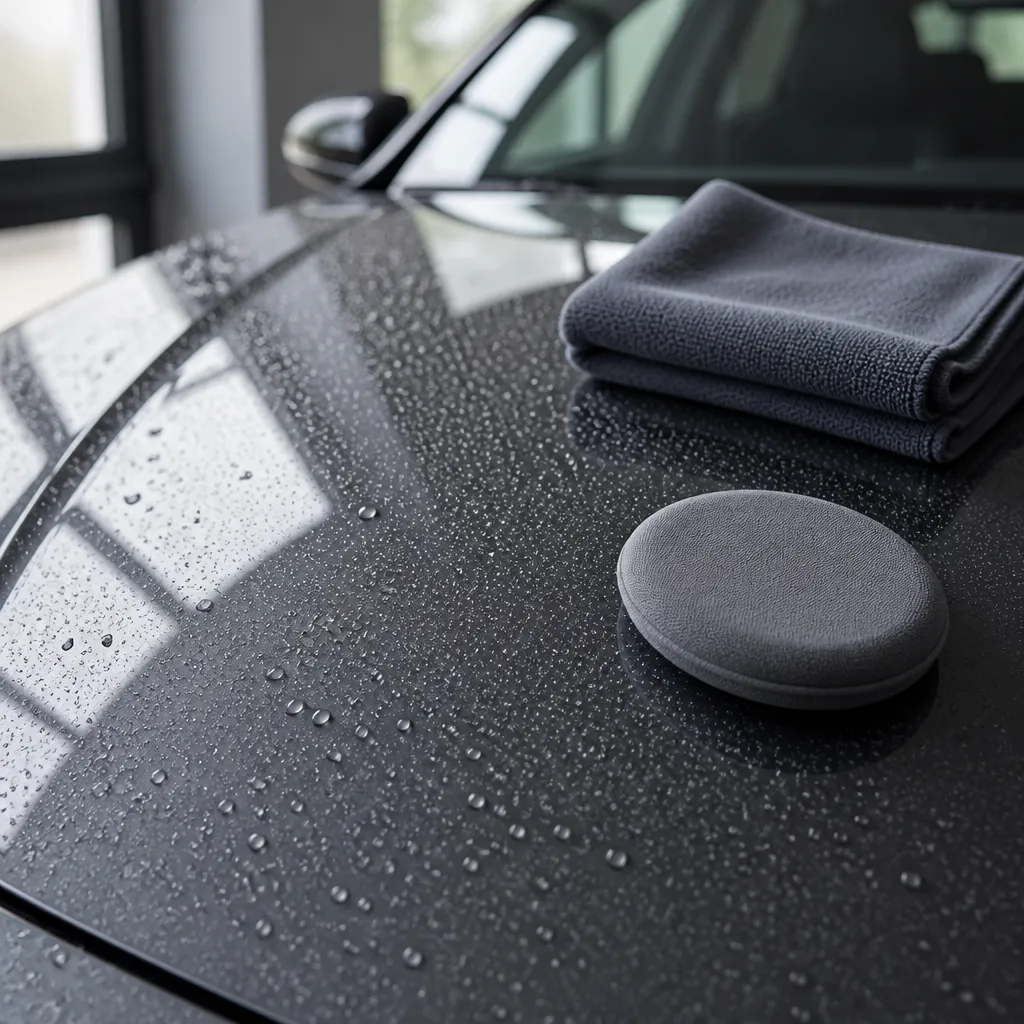
When the Coating Pays Off
A coating pays off when you drive daily in Chicago-area traffic, park outdoors, and wash the car by hand. The hydrophobic layer makes salt, mud, and bird droppings release more easily, and that means less time with abrasive products and fewer wash-induced swirls. Over a lease term, that reduced wash wear is often the largest benefit.
Our nano-ceramic SiO₂ coatings carry 5 to 8 year warranties, which is longer than most lease terms. That matters for lessees because the coating can remain protective after the car leaves your hands, although transfer terms vary, so get them in writing before you pay.
When It Doesn't
A coating does not make sense on a car with failing clear coat, deep scratches that need wet sanding, or a lease that ends in under a year with no plans to keep the paint in shape. In those cases, correction and a short-term sealant may deliver better value. A coating also cannot hide paint damage. It preserves the finish you have, so the surface needs to be right first.
Pro tip: Ask any installer, including us, to show you the coating's maintenance requirements in writing. Many warranties depend on regular hand washing with pH-neutral products, and a missed requirement can void coverage that you paid for.
Paint Correction Before You Coat
A ceramic coating is only as good as the paint underneath it. If swirl marks, water spots, or light etching are present when the coating goes on, the coating locks them in and makes them harder to see from the side. The correction stage is where the finish gets its real clarity, and skipping it is the most common reason coated cars look disappointing.
Why Swirls Get Locked In
Swirl marks are fine scratches caused by abrasive particles dragged across the paint during washing. Under direct sunlight or in a showroom light, they show as a spider web pattern. A coating will not remove them. It only adds a slick surface on top, and the swirls remain visible, sometimes even more so because the gloss makes the imperfections stand out.
On leased cars, we often find swirls concentrated on the lower doors and rear quarter panels, where automatic brushes and dirty towels do the most damage. Those are the areas to address first.
Multi-Stage Polishing and Decontamination Order
Our process starts with decontamination, including iron removal and clay bar treatment, so the polisher is not pushing grit across the paint. Next comes a measured polishing stage that removes defects without taking more clear coat than necessary. We check paint thickness before each cut because a leased car has a finite amount of clear to work with, and aggressive correction on a thin panel can cause problems that no coating will fix.
After polishing, we inspect under controlled lighting, wipe down the panel with an oil-removing prep solution, and only then apply the coating. Each step depends on the one before it, so rushing any of them shows in the final finish.
Interior Protection From Day One
The interior of a luxury lease gets less attention than the paint, but it is often where the lessor's inspector finds the most expensive problems. Leather bolsters, the steering wheel, and the center console take the most contact, and a small amount of early wear can turn into a visible stain or cracked surface within a year.
High-Touch Surfaces That Wear First
Start with the driver's seat bolster, the steering wheel rim, the shifter surround, and the armrest where your arm rests daily. These are the surfaces that take oil from hands, sunscreen, and friction from clothing. Protecting them early is far cheaper than restoring them later.
Touchscreens and digital displays also show wear, usually as fingerprints, residue, and micro-scratches from rings or keys. Use a screen-safe cleaner and a soft microfiber cloth. Avoid household glass cleaners, which can damage anti-reflective coatings.
Leather, Screens, and Trim Products
Use a pH-balanced leather cleaner and a conditioner with UV protection, applied at intervals that match how often the car sits in direct sunlight. Ceramic protection for interior leather is available and can make cleaning easier, but it should be applied only to surfaces that are clean and in good condition. Plastic trim should be cleaned gently and protected with a non-greasy UV protectant to prevent fading and brittleness.
Avoid silicone-heavy dashboard products, which can leave a greasy film and attract dust. A matte finish that looks natural is the goal, and it is also the finish that lessor inspectors expect to see.
Chicago Winters, Road Salt, and Illinois Weather
Illinois is hard on paint and interiors. Summers bring intense sun and heavy humidity, winters bring road salt and freeze-thaw cycles, and spring brings pollen and grime that cling to the clear coat. A detailing plan that ignores the seasons will not hold up through a three-year lease.
Road Salt and Your Clear Coat
Road salt is one of the most damaging things a leased car faces in the Chicago suburbs. Salt residue sits in the lower panels, rocker panels, and wheel wells, where it accelerates corrosion and can dull the finish. Rinse the undercarriage and lower body whenever you can after a salted road, even in cold weather, and do not let salt sit for days.
A coating helps here because it reduces how much salt bonds to the surface. It does not replace regular rinsing. Plan a full decontamination wash in early spring to remove the winter buildup before it etches the paint.
Garage Versus Driveway Storage
If you park in a garage, you can get away with longer intervals between washes, but a garage does not protect the car from brake dust, road grime, or the dust that settles inside a door. Owners in Glendale Heights, Carol Stream, Bloomingdale, and Wheaton who park outdoors face a different challenge, with daily exposure to sun, tree sap, and bird droppings. Outdoor cars need more frequent washing and a stronger layer of protection.
Whatever your parking situation, keep a car cover off the list unless it is a breathable indoor cover. Outdoor covers can trap moisture and scratch paint in the wind.
Maintenance Schedule From Day One
A protection plan only works if you keep up with it. The schedule below is the one we give most lessees, adjusted for how the car is driven and stored. It is designed to keep the paint and interior in the same condition they were in on delivery day.
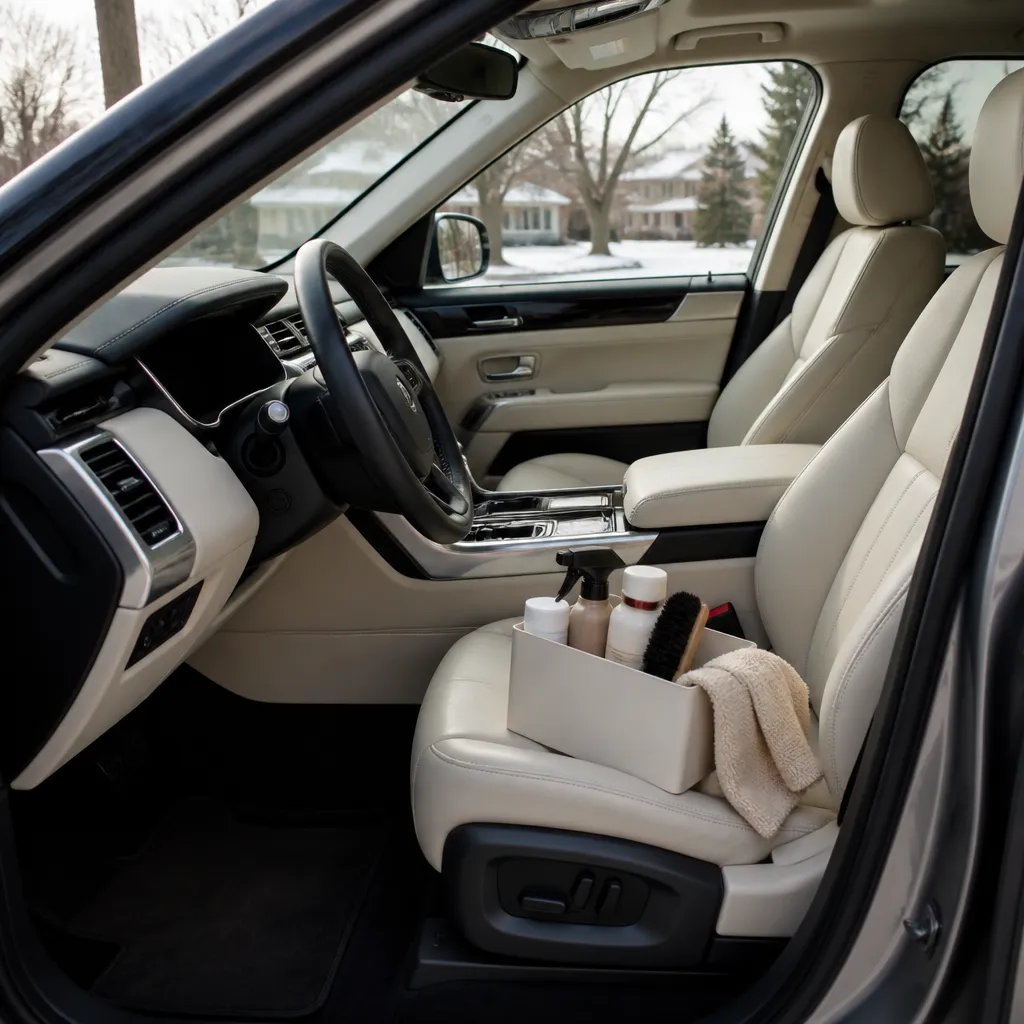
The First 30 Days
Within the first month, get a baseline detail with paint measurement, a full decontamination, and any correction the car needs. Then decide on protection. Keep your delivery-day photos with the detail invoice so you have a complete record of the car's condition at each stage.
Avoid automatic car washes with brushes during this period. A touchless wash is a better option if you are short on time, but hand washing with the two-bucket method remains the gold standard for keeping the finish clean.
Wash Method and Frequency
Wash every one to two weeks in winter and every two weeks in mild weather, sooner if the car sits near a road or under trees. Use a pH-neutral soap, a clean microfiber mitt, and a separate rinse bucket. Dry with a plush towel or blower and avoid circular rubbing motions that create swirls.
Check the car every few weeks for chips on the front end and small areas of paint transfer. A quick touch-up pen on a fresh chip costs very little, while a chip that rusts through becomes a major repair.
Lease-End Prep and Return Inspection
The final two to three months before your lease ends are the time to prepare the car for inspection. This is not about making the car look new. It is about removing the minor issues that would otherwise appear as charges and presenting the car in a clean, well-documented state.
Pre-Inspection Detail
Schedule a full exterior and interior detail about three weeks before the return date. Include decontamination, a light polish on any scuffs that can be removed, and a thorough interior clean with leather and plastic conditioning. Take fresh photos of every panel and the interior after the detail, and keep them with your original delivery-day set.
Ask for a written list of any defects the detailer finds that fall outside the lease's wear standard. You can then decide whether to repair them before return or accept the charge.
What Not to Bother Fixing
Do not spend money on cosmetic repairs that the lessor is unlikely to charge for, and avoid body shop work for small chips that fall within the normal wear allowance. Focus on items that clearly exceed the standard, such as cracked glass, deep scratches through the clear coat, and burns or stains in the interior. Those are the repairs that cost the most if you wait.
Pro tip: Return the car on a dry day and wash it the same morning if possible. Inspectors examine paint in daylight, and a fresh finish makes minor marks easier to judge honestly, which can help if you need to discuss a charge.
Frequently Asked Questions
Is ceramic coating worth it on a leased luxury car?
Yes, in most cases, as long as the paint is corrected first and the coating is applied professionally. The main benefit is easier washing and reduced wash-induced wear over the lease term, which protects the finish the lessor will inspect.
Does a ceramic coating prevent rock chips on a leased car?
No. A ceramic coating resists contamination, water spotting, and some chemical etching, but it does not absorb the force of a rock impact. For front-end chip protection, paint protection film on the bumper, hood, and mirrors is the better tool.
Will my lessor allow me to have paint protection or a coating applied?
Most lessors do not prohibit aftermarket protection products, but the rules vary by contract. Check your lease agreement and ask for written confirmation before any application, and keep the invoice and product details in your records.
How soon should I protect the paint after I get a new lease?
Within the first few weeks is ideal. Early protection keeps the factory clear coat in good condition from the start, and it gives you a clear baseline for the return inspection.
What should I do if I find a chip or scratch on a leased car?
Photograph it with a timestamp, note the location and size, and check it against your lease wear standard. Small chips can often be touched up quickly, while deep scratches or chips that expose metal should be repaired before they rust or spread.
Have you leased a luxury car and dealt with the return inspection? Tell us what surprised you most, what you would protect first if you started over, and whether your lessor's standards matched what you expected.
References
- Owner discussion on whether paint protection is worth it for a leased car
- Guide to paint protection options for leased cars