You paid for a professional ceramic coating. The installer handed you a care sheet, told you to keep it clean, and sent you on your way. A year later, the water beading has softened, a haze has crept into the finish, and the paint no longer looks like glass. This is the exact outcome a maintenance detail for ceramic coating is designed to prevent. For drivers in Carol Stream, Bloomingdale, Wheaton, and across the Chicago suburbs, where road salt, industrial fallout, and harsh freeze-thaw cycles attack paint year-round, skipping routine maintenance on a coated vehicle is one of the most expensive mistakes you can make.
Table of Contents
- Quick Takeaways
- What Is a Maintenance Detail for a Coated Car?
- Why Ceramic Coatings Need Maintenance (and Are Not Self-Sufficient)
- Warning Signs Your Coating Needs Professional Attention
- What Happens During a Professional Maintenance Detail
- Maintenance Approaches Compared
- How Often Does a Coated Car Need a Professional Detail?
- Illinois-Specific Threats to Ceramic Coatings
- Frequently Asked Questions
- References
Quick Takeaways
| Key Insight | Explanation |
|---|---|
| Ceramic coatings degrade gradually, not all at once | The hydrophobic layer thins over time due to UV exposure, chemical contaminants, and improper washing. You often cannot see the degradation until it is too late. |
| A maintenance detail is not just a car wash | It combines a safe hand wash, iron decontamination, clay bar treatment, paint inspection, and a professional-grade SiO2 coating boost to restore the coating's protective properties. |
| pH-neutral shampoo is non-negotiable on coated paint | Standard car wash soaps can chemically strip the hydrophobic layer, shortening the coating's lifespan significantly regardless of its rated warranty period. |
| Iron fallout is the biggest threat in Illinois suburbs | Brake dust and rail particles embed into clear coat and rust from the inside out. Decontamination on a coated vehicle should happen at least once or twice per year in the Chicago area. |
| A coating boost spray is not a substitute for professional decontamination | Layering a SiO2 topper over a contaminated surface seals in the problem rather than resolving it. Decontamination always comes first. |
| Skipping maintenance voids the coating's performance | Most professional coating warranties, including the 5-8 year SiO2 warranties from Hersheys Detailing, are contingent on following a documented maintenance program. |
| Professional maintenance details should happen every 4-6 months | In high-contamination environments like the Chicago suburbs, bi-annual professional maintenance details keep the coating performing at the level it was installed at. |
What Is a Maintenance Detail for a Coated Car?
A maintenance detail is a structured, multi-step service performed on a vehicle that already has a professional ceramic coating. It is not an express wash, and it is not a full paint correction. It sits between those two in both scope and frequency, designed specifically to keep an existing coating performing at its rated level rather than restoring a neglected one from scratch.
The core components of a proper maintenance detail include a safe two-bucket or foam hand wash using a pH-neutral shampoo, chemical iron decontamination to dissolve embedded brake dust and ferrous particles, a clay bar treatment on sections where bonded contaminants are detected, a thorough inspection of the coating's hydrophobic performance, and the application of a professional SiO2 coating boost product. Some maintenance details also include a light paint inspection to flag any chips or swirl marks before they become deeper problems.
Pro tip: Ask your detailer to do a water-sheet test on multiple panels before and after the boost application. If sheeting is uneven across the hood, roof, or trunk lid, those spots are losing protection faster than others, usually because of how the car is parked or where road spray concentrates.
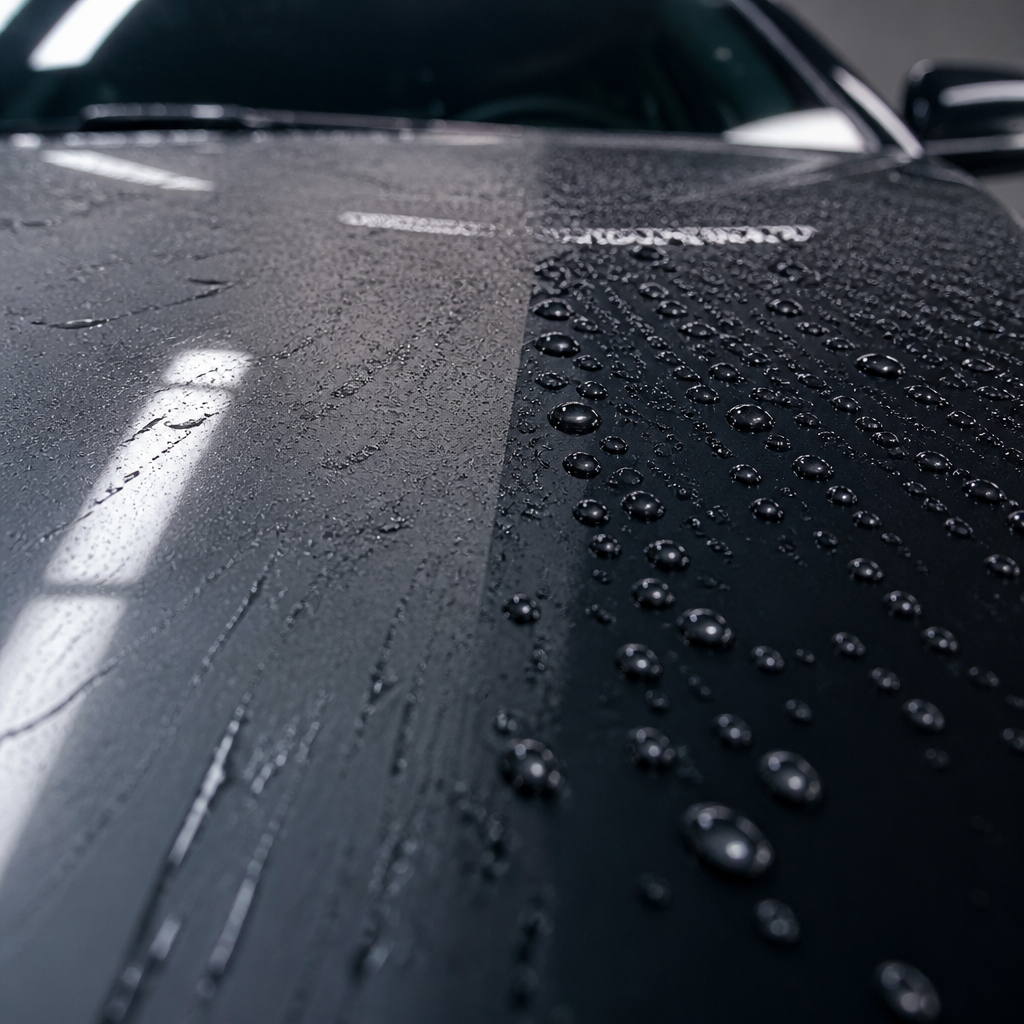
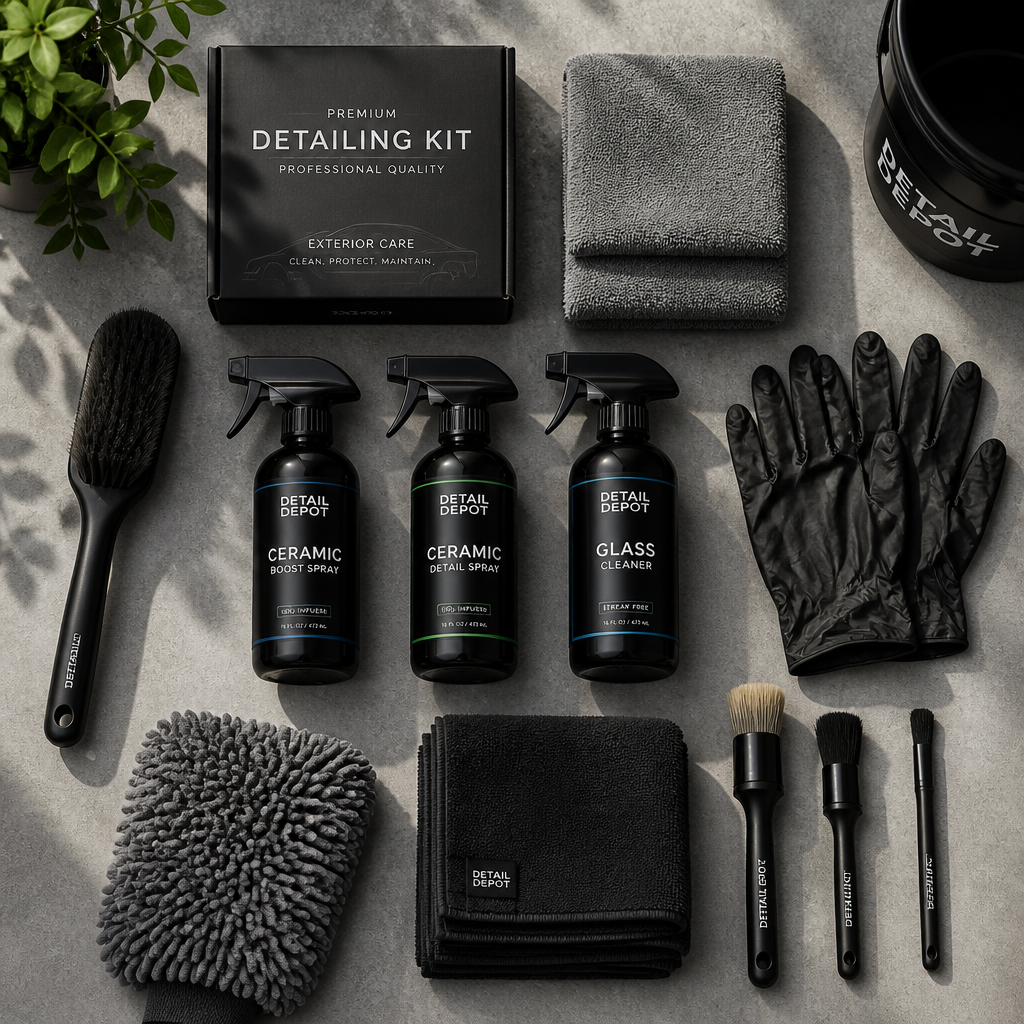
The goal is straightforward: preserve the investment already made in the coating without needing to strip and reapply it. A well-executed maintenance program at the right intervals can extend the life of a professional SiO2 nano-ceramic coating well beyond its stated warranty period. A neglected one will cause it to fail before that warranty expires.
Why Ceramic Coatings Need Maintenance (and Are Not Self-Sufficient)
There is a persistent misconception that a ceramic coating is a set-and-forget solution. This belief causes more coating failures than any incorrect application technique. Ceramic coatings are durable, not permanent. They degrade gradually under the same environmental conditions they are designed to protect against, and the rate of that degradation is directly controlled by how consistently the car is maintained.
A coated vehicle is not maintenance-free. It still needs safe washing, proper drying, and quick contaminant removal to preserve the coating's performance over time.
The protective chemistry in a ceramic coating works by bonding to the clear coat at a molecular level and forming a hard, slick shell. That shell is sacrificial by design. It absorbs UV radiation, chemical contamination, minor abrasion, and environmental fallout so the clear coat underneath does not have to. Over months of exposure, the top layer of the coating depletes. A professional maintenance detail replenishes it before the base layer is compromised.
What Depletes a Coating Faster Than Anything Else
Automatic car washes with rotating brushes and high-alkaline soaps are the single fastest way to degrade a ceramic coating. The brushes introduce micro-scratches that scatter light and dull the finish. The chemistry in the soap attacks the hydrophobic layer directly. A car that goes through an automatic wash regularly is typically not protected by its coating in any meaningful way within 12 months of application, regardless of whether the original product had a 5-year or 8-year rated warranty.
Washing with the wrong products at home produces the same result more slowly. Many car owners use dish soap or generic car shampoo. Both are too alkaline for coated paint. The coating does not fail dramatically, it just quietly loses its hydrophobic properties panel by panel until water no longer beads at all.
Pro tip: A simple water bead test tells you a lot. After your next hand wash, spray a small amount of water across the hood while the panel is still slightly warm. The water should form tight, round beads that roll off with minimal movement. If the droplets flatten out and sheet, the coating's hydrophobic layer is thinning and needs professional attention.
Warning Signs Your Coating Needs Professional Attention
Ceramic coatings give clear signals before they fail completely. Most vehicle owners miss these signals because they do not know what to look for. Catching them early is the difference between a straightforward maintenance detail and a full decontamination and paint correction job.
Loss of Hydrophobicity
This is always the first indicator. A healthy ceramic coating causes water to bead into tight spheres and roll off the paint at low angles. When you notice water sheeting flat across the hood rather than beading, or when dried water spots are appearing more frequently after rain, the hydrophobic layer is depleted. This does not mean the entire coating is gone, but it does mean the sacrificial top layer has been consumed and needs to be replenished with a professional boost application.
Increased Dirt Adhesion Between Washes
One of the practical benefits of a ceramic coating is its self-cleaning behavior. Contaminants have difficulty bonding to a properly maintained coated surface, so the car stays noticeably cleaner between washes. When you start to see road grime, bird dropping residue, and bug splatter sticking and drying more aggressively than they used to, the slick surface energy the coating provides is degrading. That is a direct signal that the coating needs attention.
Dullness or Haze in Direct Sunlight
A properly performing ceramic coating amplifies the depth and clarity of the paint underneath it. A degraded coating does the opposite. If the finish looks flat or slightly milky in direct sunlight, especially on the horizontal panels that take the most UV exposure, the coating is failing in those areas. Left untreated, the UV degradation continues into the clear coat itself, where it becomes a paint correction problem rather than a maintenance problem.

What Happens During a Professional Maintenance Detail
A professional maintenance detail at Hersheys Detailing in Glendale Heights is a structured process, not a guesswork wash. Each step is sequenced deliberately to avoid the most common mistakes home detailers make when trying to maintain their own coated vehicles.
Step 1: Safe Hand Wash with pH-Neutral Chemistry
The process starts with a proper pre-rinse to remove loose surface contamination before anything touches the paint. Then a pH-balanced, coating-safe shampoo is used in a two-bucket method with dedicated microfiber wash mitts. This removes road film and light contamination without attacking the coating's chemistry. Using the wrong soap at this stage negates every step that follows.
Step 2: Chemical Iron Decontamination
After the wash, an iron fallout remover is applied to the paint and wheels. This is a pH-reactive chemical that turns purple as it dissolves embedded ferrous particles, primarily brake dust and rail fallout. On vehicles in the Chicago suburbs, this step routinely reveals heavy contamination on all four corners and the rear panel behind the wheels. Embedded iron that is not removed will rust under the coating, creating small raised spots that eventually compromise the bond between the coating and the clear coat.
Step 3: Clay Bar Treatment Where Needed
After the iron remover is rinsed, any remaining bonded contamination, including road tar, industrial fallout, and tree sap residue, is addressed with a clay bar or clay towel. This step is often skipped in express details and at-home maintenance routines. Skipping it and applying a coating boost on top of contaminated paint is counterproductive. The boost product bonds to the contaminants rather than to the coating surface, reducing its durability significantly.
Step 4: Coating Boost Application
With the surface clean and decontaminated, a professional SiO2 coating boost product is applied to all painted panels. This is not a spray wax. It is a silicon dioxide-infused topper that bonds to the existing ceramic coating and replenishes the hydrophobic layer. Applied correctly, it restores water beading behavior, enhances gloss, and adds a fresh sacrificial layer of protection. At Hersheys Detailing, this step uses professional-grade SiO2 products compatible with their nano-ceramic coatings to ensure proper chemistry between the topper and the base coat.
Step 5: Inspection and Documentation
The final step is a full walk-around inspection under dedicated lighting to identify any areas requiring follow-up. Paint chips, edge wear on the coating, or areas where the coating appears to be losing adhesion are noted and flagged. Catching these early allows for targeted repair rather than a full reapplication.
Maintenance Approaches Compared
| Approach | What It Includes | Best For |
|---|---|---|
| At-Home Maintenance Wash | pH-neutral hand wash, quick-detail spray, microfiber drying. No decontamination. No boost product applied by a professional. | Weekly or bi-weekly upkeep between professional visits. Not sufficient as a standalone maintenance strategy for coated vehicles. |
| Professional Maintenance Detail (Coating Boost) | Safe hand wash, iron decontamination, clay bar where needed, professional SiO2 coating boost, paint inspection, wheel and trim clean. | Every 4-6 months for coated vehicles in high-exposure environments like the Chicago suburbs. Preserves warranty compliance and coating performance. |
| Full Decontamination and Correction Detail | Everything in a maintenance detail plus multi-stage machine polishing to remove swirl marks and oxidation. May require partial or full coating reapplication afterward. | Vehicles that have missed multiple maintenance cycles, been through automatic washes, or show visible paint defects through the coating. This is remediation, not maintenance. |
The professional maintenance detail is the middle tier that makes the other two work correctly. Without it, at-home washes are not enough to sustain the coating, and full corrections become necessary far sooner than they should.
How Often Does a Coated Car Need a Professional Detail?
For most coated vehicles in the Chicago suburbs, a professional maintenance detail every four to six months is the right cadence. This aligns with the two natural inflection points in the Midwest driving calendar: spring, after road salt season ends, and fall, before winter begins.
A spring maintenance detail removes the accumulated iron fallout, road salt residue, and winter grime from the paint and reinstates a fresh SiO2 barrier before summer UV exposure begins. A fall maintenance detail removes summer bug splatter, tree sap, bird dropping etching, and heat-cycle contamination, then applies a fresh coating boost to protect the paint through the harshest months of the year.
Vehicles that park outdoors, cover significant highway miles, or spend time near industrial areas in the Chicago metro corridor may benefit from quarterly professional maintenance visits instead. The two-bucket hand wash at home between those visits keeps the surface clean without compromising the coating chemistry.
Hersheys Detailing's maintenance programs are structured around this exact cadence, with flexible scheduling for clients in Carol Stream, Bloomingdale, Wheaton, and surrounding communities. If a vehicle was coated by Hersheys, the maintenance program is already aligned with the specific SiO2 coating that was applied, which matters because not all boost products are chemically compatible with all base coatings.
Illinois-Specific Threats to Ceramic Coatings
Owning a coated vehicle in Illinois is not the same as owning one in a mild climate. The Chicago area subjects paint to a combination of threats that accelerates coating degradation more aggressively than drivers often expect when they first invest in protection.
Road Salt and Chloride Contamination
Illinois roads are salted heavily from November through March. Road salt and the liquid de-icers used on Chicago-area highways are chloride-based, and chlorides are chemically aggressive toward the clear coat and the coating sitting on top of it. A ceramic coating provides meaningful resistance, but that resistance is contingent on the coating being intact and regularly refreshed. Salt residue that dries on the paint between washes creates concentrated deposits that work against the coating's chemistry over time.
Iron Fallout from Rail and Industrial Sources
The Chicago area sits at the intersection of major freight rail lines and industrial activity. Ferrous particles from rail operations and brake dust settle on paint surfaces across the region, particularly on vehicles that commute on corridors near rail yards or expressways with high truck traffic. These particles embed into the clear coat and begin oxidizing. On an uncoated vehicle, this shows up as orange speckling. On a coated vehicle, it is invisible until the iron remover reveals the extent of contamination. Left in place, it compromises the coating's adhesion from underneath.
Hard Water and Water Spot Etching
Municipal water in many Chicago suburbs is high in dissolved minerals. When water dries on a coated surface, those minerals are left behind as white spots. On a healthy coating, these wipe off easily. On a degraded coating, they etch into the surface and require corrective polishing to remove. Drying the car immediately after washing is essential, and a professional maintenance detail removes any existing water spot deposits before they etch permanently.
Pro tip: After a rain event in the Chicago area, wipe down the horizontal panels on your coated vehicle before the water dries. The mineral content in area rainwater is high enough to leave deposits that gradually build up on the coating surface, especially during the summer months when panel temperatures are elevated.
Frequently Asked Questions
What is the difference between a maintenance detail and a regular car wash?
A regular car wash removes surface dirt. A maintenance detail goes further, combining a safe hand wash with chemical iron decontamination, clay bar treatment for bonded contaminants, and a professional SiO2 coating boost that restores the hydrophobic layer of the existing ceramic coating. An express car wash, particularly an automated one, actively damages a ceramic coating rather than preserving it.
Can I do a maintenance detail myself at home?
You can perform the washing component correctly at home with pH-neutral shampoo, a two-bucket method, and quality microfiber mitts. However, the chemical decontamination, clay bar process, and professional coating boost application require the right products, the right sequencing, and a trained eye to inspect the coating condition and paint for defects. Without those steps, a home wash is maintenance in name only. For a vehicle with a professional coating and an active warranty, a professional maintenance detail at the intervals recommended by your installer is the only way to stay in compliance.
Will a maintenance detail fix swirl marks or scratches?
No. A maintenance detail is a preservation service, not a correction service. It maintains the performance and appearance of a coating that is already in good condition. Swirl marks, scratches, and oxidation that are visible through the coating require machine polishing to address, which is a separate paint correction service. If defects are visible, they should be corrected before the coating boost is applied, otherwise the boost locks in those imperfections.
How do I know if my ceramic coating is still working?
The most reliable field test is water behavior. Rinse a clean panel with water and observe whether the water forms tight beads that roll off at low angles, or whether it sheets flat and clings to the surface. Tight beading indicates the coating is performing. Flat sheeting or no beading at all indicates the hydrophobic layer has been depleted and needs a professional boost or inspection. A professional detailer can also inspect the coating under specialized lighting to assess its condition across all panels.
Does a maintenance detail cover wheels, trim, and glass?
A full professional maintenance detail at Hersheys Detailing includes wheel decontamination, tire dressing, and trim care alongside the paint maintenance process. Glass is inspected and cleaned, and coated glass panels receive a compatible topper as part of the service. If the wheels were coated separately, they receive the same iron decontamination and boost treatment as the painted panels.
Does skipping a maintenance detail void my ceramic coating warranty?
For most professional-grade ceramic coatings, including the 5-8 year SiO2 nano-ceramic coatings installed by Hersheys Detailing, the warranty is contingent on following a documented maintenance program. A coating that has been run through automatic washes, cleaned with alkaline soaps, or left without professional decontamination for extended periods will show degradation that falls outside the warranty's covered conditions. Staying on a regular professional maintenance schedule is how you protect both the coating and the investment it represents.
Is a coating boost detail the same as reapplying the ceramic coating?
No. A coating boost applies a SiO2-infused topper product that bonds to and refreshes the existing base ceramic coating. It does not replace the base coating. A full reapplication involves stripping the old coating through paint correction and starting the installation process from the beginning, including surface decontamination, polishing, and a fresh primary coating layer. Consistent maintenance details delay the need for full reapplication by preserving the integrity of the base coating that was already installed.
Have you had your coated vehicle on a maintenance program, or are you still figuring out the right schedule? Share your experience in the comments below, we would love to hear what has worked for you.
References
- Adam's Polishes guide on ceramic coating maintenance: why it matters, when to do it, and how to do it correctly
- Ceramic Pro's five practical tips for keeping a ceramic coated car clean, including how to use SiO2 boost sprays
- Vortex Detail's breakdown of the key signs a ceramic coating is wearing out and what maintenance steps to take
- Ethos Car Care's complete ceramic coating maintenance routine covering washing frequency, decontamination timing, and boost spray schedules
- Professional Detailing Service's maintenance guide for ceramic coated vehicles covering washing, contaminant removal, and when to seek professional help