You pulled into the driveway after a long weekend drive, and the car looks fine from ten feet away. Up close, it's a different story. Bug remains, road film, and brake dust have been sitting on your paint for hours, and some of that damage starts setting within days. Road trip car detailing in Illinois is a different job from a routine wash, because distance driving stacks several contaminants on the same panels at once. Here is what we see at our Glendale Heights shop and how we deal with it.
Table of Contents
- Quick Takeaways
- Why Highway Miles Hit Paint Harder
- Bug Splatter Paint Damage: Timing Is Everything
- Highway Driving Paint Contamination: Brake Dust, Road Film and Tar
- Pre-Trip Prep Versus Post-Trip Recovery
- Post-Trip Detailing Options Compared
- Interior, Glass and Wheels After Distance Driving
- Our Post-Trip Routine in the Chicago Suburbs
- Frequently Asked Questions
- References
Quick Takeaways
| Key Insight | Explanation |
|---|---|
| Remove bug residue within hours | Dried insect remains bond to clear coat and etch faster in sun and heat. A wash that happens the same day is usually simple. A wash that waits several days often becomes a polishing job. |
| Never wipe dried bugs with a dry towel | Dragging grit across a fresh bug mark causes marring. Use a pre-soak, let an automotive-safe remover dwell, then lift the residue with a clean, soft microfiber. |
| Feel the paint after washing | Run your palm across a dry, washed panel. Roughness means bonded contaminants that washing alone will not remove, so the car needs decontamination. |
| Separate your wash tools | Use one mitt for upper paint, another for lower panels, and a third for wheels. Carrying brake dust and tar onto doors is how a single trip leaves swirl marks across the whole vehicle. |
| Check the lower body and front clip first | Hoods, bumpers, mirror caps, and rocker panels take the heaviest load from highway airflow and tire spray, so inspect them before judging the rest of the car. |
| Protect the paint before long trips | A clean, sealed surface gives bugs and road film less to bond to, which turns the post-trip job into a routine wash instead of a correction. |
Why Highway Miles Hit Paint Harder
Most cars don't get dirty on a road trip so much as they get coated. Highway speeds push a steady stream of fine debris, insects, and airborne grime onto the front end, the mirrors, and the lower doors. A short commute rarely does that much to a finish, but a multi-day drive does it constantly.
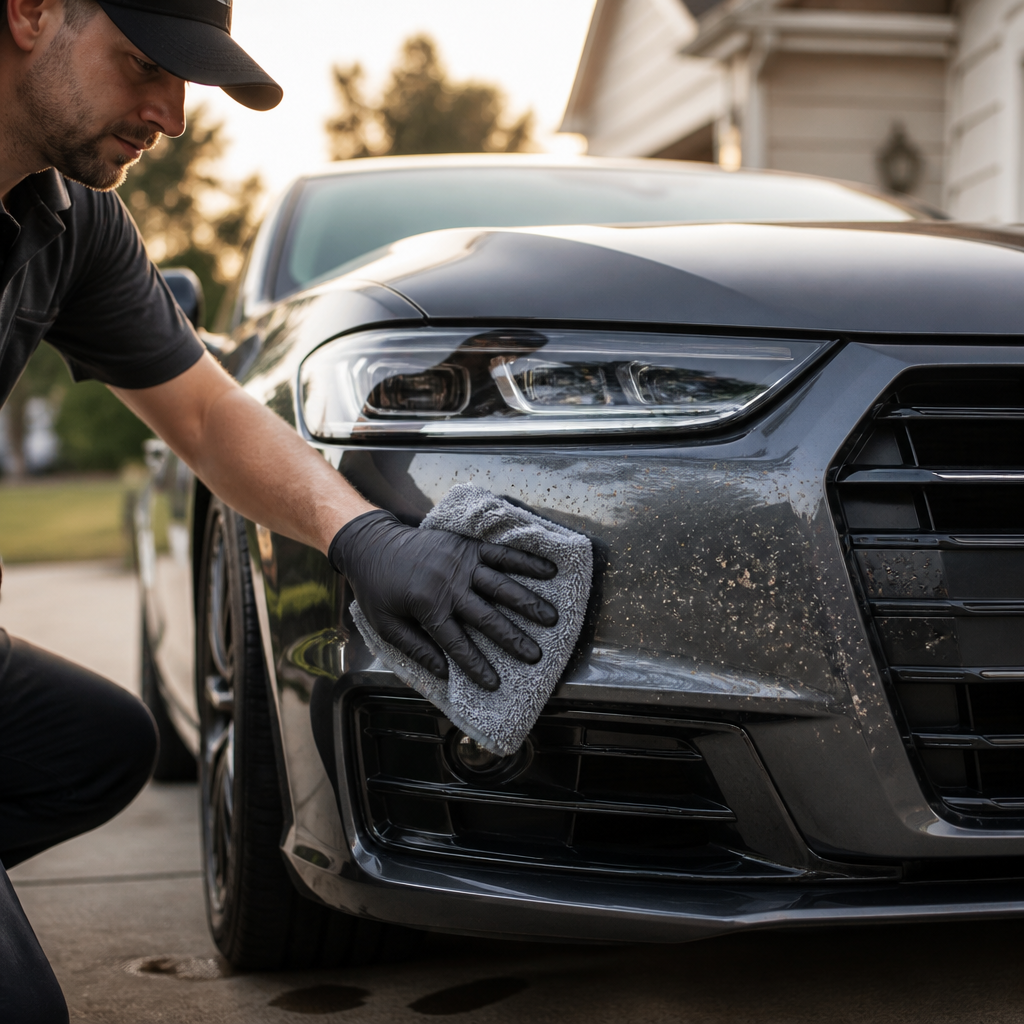
Paint doesn't care whether a contaminant came from a city street or a rural highway. What matters is how long it stays put and what it's made of. Insect remains are protein-based and turn acidic as they dry. Tar and road film are oily and grip clear coat. Both get worse with every hour of sun and heat that follows.
Pro tip: If you have access to a hose or a rest stop spigot, rinse the front end with plain water before you drive home. Loosening bug residue early makes the professional wash faster and safer.
Why the Front Clip Takes the Worst of It
The hood, bumper, and mirror caps sit directly in the airflow. In practice, these are the panels we see with the most etching and embedded grit after a long drive. Stone chips from gravel shoulders also show up here, sometimes as small clusters that look like nothing until we run a light across the paint.
A common mistake is assuming the rear of the car is fine because it looks clean. Rear bumpers and quarter panels pick up road spray and tar on the lower sections, and vehicles with lighter paint show those dark specks more clearly than owners expect.
Heat, Sun, and Time on the Surface
Contaminants don't stay static. A bug strike washed off the same afternoon usually leaves nothing behind. The same strike left through a hot day on a dark car can etch the clear coat within hours. The longer a vehicle sits in direct sun at a hotel lot or a rest stop, the further those surface reactions progress.
Road trip damage is rarely one big problem. It is several small ones that were allowed to sit together on the same panels.
Bug Splatter Paint Damage: Timing Is Everything
Bug splatter is the most time-sensitive hazard from a road trip. Insect bodies contain fluids that dry into a hard, glassy film on clear coat, and that film can etch into paint when baked by sun. The practical window is hours, not days, which is why "I'll wash it when I get home" often means the damage is already set.
Our approach is to remove residue before it bonds, using an automotive-safe bug remover with proper dwell time and then a gentle wash. We never scrub dried bugs with a dry towel or a stiff brush. That is how a cosmetic problem turns into swirl marks and a full paint correction appointment.
The Safe Way to Lift Dried Bugs
Start by wetting the affected area thoroughly so the surface is not dry. Apply a bug remover, let it dwell for the time the product specifies, and then wipe gently with a soft microfiber. Keep the towel clean and fold it often. Dragging grit across a fresh bug mark does more harm than leaving it for another hour.
Choose a product labeled safe for clear coat. Some household cleaners and aggressive solvents soften the finish, and that softening shows up later as dull patches. Dwell time and patience matter more than pressure.
Why Waiting a Few Days Changes the Repair
A bug that has sat through several hot days may need a clay treatment or a light polish afterward. That is no longer a simple wash. Etch marks that remain after cleaning are often shallow enough to correct with machine polishing, but a longer delay raises the chance that the correction will need more steps and more time.
When a customer brings in a car after a trip, we ask how long the bugs stayed on the paint before cleaning. That answer helps us estimate whether the finish needs basic decontamination or a full multi-stage correction, and it sets expectations before we start.
Pro tip: Keep a small spray bottle of automotive bug remover and a folded microfiber in your trunk. Ten minutes at a fuel stop can prevent a weekend of polishing later.
Highway Driving Paint Contamination: Brake Dust, Road Film and Tar
Highway paint contamination is a mix of materials, and each one needs a different solution. Road film is a thin, grimy layer that builds on paint and glass as the car moves through spray and traffic. Brake dust comes from pads on the wheels and settles on paint near the wheel arches. Tar and asphalt residue show up on lower panels and rockers, where tires throw material.
Most of these contaminants are hard to see at a glance, but they change how the surface feels. A car that looks clean yet feels gritty under your hand needs decontamination before any polishing or coating work begins.
Reading the Surface With Your Hand
After a wash, we test the paint by hand. Run a palm lightly across a dry panel, then compare it with a panel you know is smooth. Rough texture points to bonded contaminants that washing won't remove. That is when we move to an iron remover and a clay treatment using plenty of lubricant.
Clay requires lubricant and light pressure. A dry or dirty clay is one of the fastest ways to put marring into clear coat, and it is a mistake we see on vehicles cleaned at home after a trip.
Tar and Brake Dust Near the Wheels
Tar removers can work well on lower panels, but they should be applied to a cool surface and rinsed completely. Leftover solvent can soften the finish or stain trim. Brake dust near the wheel arches usually needs a dedicated wheel cleaner and a soft brush, not the same mitt you use on the doors.
The rule we give customers is simple. Use separate tools for wheels, lower panels, and upper paint. A single mitt moving from wheels to doors is how a road trip leaves fine scratches across the entire car.
Pre-Trip Prep Versus Post-Trip Recovery
Prep before a trip doesn't replace recovery after one, but it changes how much work you face at home. A car that was clean and protected before departure sheds road film more easily and gives bugs less surface to bond to. Protection is cumulative, and what you do before the drive shapes the outcome after it.
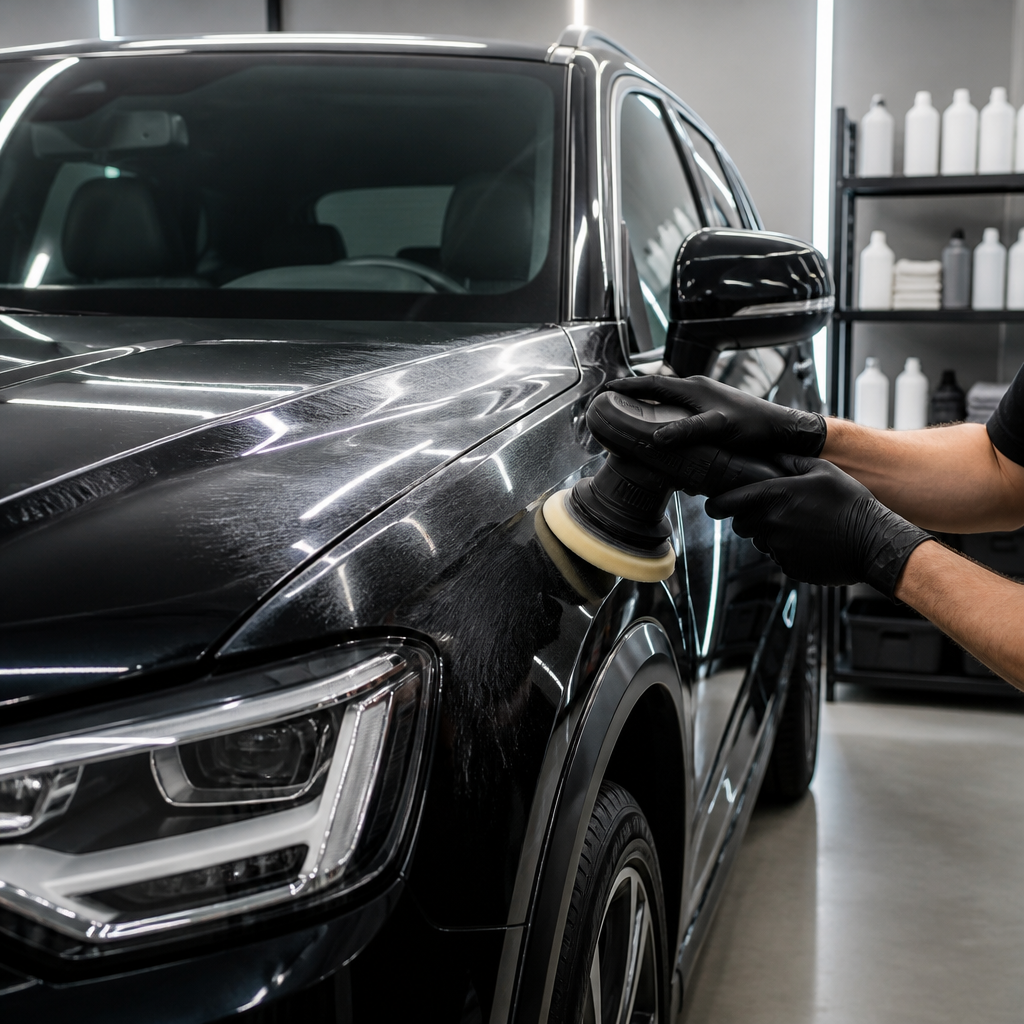
Our recommendation is a basic decontamination and a quality sealant or coating before any trip longer than a few hours. That doesn't mean a full correction every time. It means knowing the paint is in good condition before it faces the road.
What a Pre-Trip Wash Actually Needs
Product makers' guidance on preparing a car for a road trip tends to agree on the basics: a pH-balanced car shampoo and a quality microfiber wash mitt. The goal is to remove loose dirt so you aren't dragging grit across the paint at a rest stop or on a crowded highway ramp. Skip the dish soap and the household cleaner.
A pre-trip wash should also include a check of the wiper blades, glass, and tire condition. Those items are easy to overlook, and they matter more on a long drive than on a short errand.
Where Recovery Starts After You Park
The first 24 hours matter. Rinse the car as soon as practical, especially the front end and lower panels. Road trip care guidance from detailing and car care writers makes the same point: remove bugs and debris before they bake into the paint.
Pro tip: Avoid waiting for a full detail appointment before doing anything. A basic rinse with fresh water reduces how much contamination sits on the paint while you schedule the professional work.
Post-Trip Detailing Options Compared
Not every road trip calls for the same level of service. Here are three paths we see customers choose, and where each one falls short after a long drive.
| Approach | Best For | What It Misses |
|---|---|---|
| Drive-through or self-serve wash | Light road film after a short trip with no visible bugs or tar | Bonded bug acid, tar, brake dust, and embedded grit on the lower body |
| Hand wash with decontamination | Moderate contamination with no visible etching | Etch marks already in clear coat and any swirl marks that need polishing |
| Multi-stage machine polish with ceramic protection | Etching, heavy bug damage, or a car that will face winter road salt | Nothing critical, but it takes the most time and carries the highest cost |
The right choice depends on how long contaminants sat on the paint and what the finish looks like under good light. Heavier damage needs the third option, and a wash alone will not reveal it.
Which Option Fits Which Trip
A short trip to a nearby city usually calls for a careful hand wash plus decontamination. A multi-week trip through heavy insect country or a long cross-country run usually leaves paint that needs correction. Don't assume the car is fine because an automatic wash removed the visible dirt.
When a Basic Wash Is Not Enough
Warning signs include a rough texture after washing, dull patches on the hood, or etch marks that catch light at an angle. Those mean contaminants have reacted with the clear coat. Continuing with wash-only care keeps the surface looking clean on top while the damage keeps developing underneath.
Interior, Glass and Wheels After Distance Driving
The exterior gets most of the attention, but a long drive also loads the interior with crumbs, dust, sunscreen residue, and humidity. Glass collects a film from fingerprints and vapors, and wheels collect brake dust and road spray. Each surface needs its own method.
Glass Film and Bug Residue on Windshields
Windshields pick up bug residue that smears when wiped with a dirty cloth. Use a dedicated glass cleaner and a clean, dry microfiber for the final pass. Clean the wiper blades too, because grit on the blades scratches glass with every stroke.
Interior Dust, Sun Exposure and Fabric
Road trips mean open windows, gravel dust, and food crumbs in the seats. Vacuum thoroughly first, then clean leather and vinyl with products rated for those materials. Automotive surfaces vary widely, and a household cleaner can leave residue or dry out a material that was never meant to take it.
Wheels, Tires and Brake Dust Buildup
After highway driving, wheel faces can show brake dust that baked on during hot stops. Use a wheel-safe cleaner, a soft brush, and a thorough rinse. Apply tire dressing after you finish the wheels and wipe down the tire surfaces, because dressing applied first can splatter onto the paint.
Our Post-Trip Routine in the Chicago Suburbs
Our customers in Glendale Heights, Carol Stream, Bloomingdale, and Wheaton drive plenty of highway miles, and our post-trip work reflects that. Every job starts with an inspection under good light, followed by a hand check for bonded contaminants. The wash then runs in a fixed order that handles wheels, lower panels, and upper paint separately.
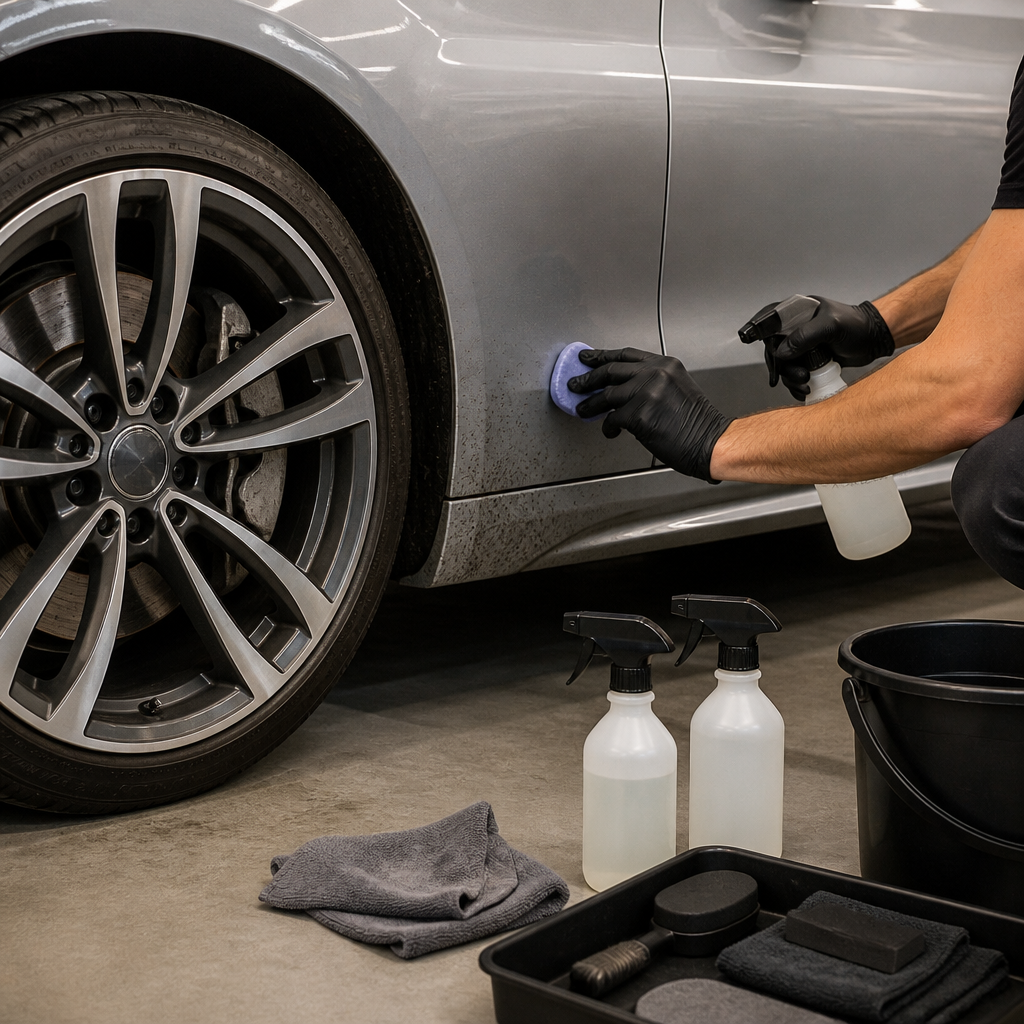
Illinois adds its own variable. Late autumn and winter bring road salt and brine, which combine with trip residue on the lower body. If you are planning travel into the holiday season, a post-trip detail followed by protection gives you a cleaner base before the salt arrives.
What Our Inspection Looks For
We check for etching under light, bonded contaminants, swirl marks, chips near the front bumper, and trim that has trapped residue. The findings determine whether the job is a decontamination, a polish, or a coating appointment, and we explain the reasoning before any work begins.
Scheduling a Post-Trip Detail
Book soon after you return if you can. The longer contaminants sit, the more likely a simple cleaning turns into correction. Tell us where you drove, roughly how long the car sat outside, and whether you saw bugs or tar along the way. That context helps us plan the job properly.
Frequently Asked Questions
How soon after a road trip should I wash off bug splatter?
Within a few hours if you can. Bug residue bonds and etches faster in heat and sun, and a delay of several days often turns a simple wash into a polishing job.
Can I use household cleaner on my car after a trip?
It is better not to. Household cleaners are made for glass, counters, and floors, and they can leave residue, dull the finish, or dry out interior materials. Use products labeled for automotive paint and the specific surface you are cleaning.
Does a ceramic coating stop bug damage?
A coating adds a slick, durable layer that makes contaminants easier to remove, but it does not make paint immune. Bugs and tar still need to be removed promptly, and a coated car still benefits from a quick rinse after a long drive.
Do I need paint correction after every road trip?
No. Correction is needed when contaminants have etched or bonded into the clear coat. Inspect the paint under good light, then run a hand across it. If the surface feels rough or shows etch marks, a wash alone will not solve the problem.
Is a drive-through wash enough after a road trip in Illinois?
For light road film on a short trip, it may be. It usually isn't enough for bonded bug residue, tar on the lower body, brake dust near the wheels, or the salt and brine that build up in colder months.
What is the worst thing your car has picked up on a road trip, and how did you get it off?