Most Illinois drivers treat autumn leaves as a cosmetic nuisance, something to brush off the hood before the morning commute. The bigger problem is what happens between the leaf and the paint. Wet leaves carry tree sap, and sap is acidic. Left on a car through a damp October week, it can start working on the clear coat, and the damage rarely shows up on day one. Tree sap car paint Illinois damage usually surfaces in spring as dull spots and etching that a regular wash will not remove. Here is how the damage happens, where it hides, and how we handle it at our Glendale Heights shop.
Table of Contents
- Quick Takeaways
- Why Sap Hits Clear Coat Harder Than Dirt
- How Wet Leaves Break Down on Paint and Trim
- Parking Habits That Multiply the Risk
- Removing Sap Without Scratching the Finish
- Protection Options Compared
- Fall Detailing Schedule for Chicago Suburbs
- Ceramic Coatings and Leaf Season Exposure
- Frequently Asked Questions
- References
Quick Takeaways
| Key Insight | Explanation |
|---|---|
| Sap is the real threat | Leaves themselves are mostly a cosmetic issue. The sap they carry is acidic and can etch the finish, so treat sticky residue as a paint problem, not a dirt problem. |
| Wet leaves do more harm than dry ones | Moisture keeps sap and leaf material in contact with the finish. A consumer testing expert notes that wet leaves contain sap that can damage paint, so a damp leaf pile is the one to clear first. |
| Park away from overhanging trees | Cars parked under trees collect sap drip, leaf litter, and grime in the same spots every day. Moving the car even a few spaces can cut your exposure substantially. |
| Test every cleaner on a small spot first | Some store-bought tree sap removers can dull or haze clear coat. Test on a hidden panel, like a lower rocker or door jamb, before you use it on the hood. |
| Skip wire hangers in sunroof drains | A wire can tear the sunroof lining and create a new leak path. Use a vacuum to draw out leaves from drains and the cowl area near the windshield. |
| Decontaminate before the first hard freeze | Sap that has been baking on paint through the warm part of fall is much harder to lift in November. A clay and decon pass before winter locks in the damage is far cheaper than paint correction in spring. |
Why Sap Hits Clear Coat Harder Than Dirt
Road grime is abrasive, but it is mostly neutral. Tree sap is different because it is chemically active and sticky at the same time. When it sits on a panel, it bonds to the surface and holds moisture and contaminants against the clear coat. That combination is what turns a simple spot into etching.
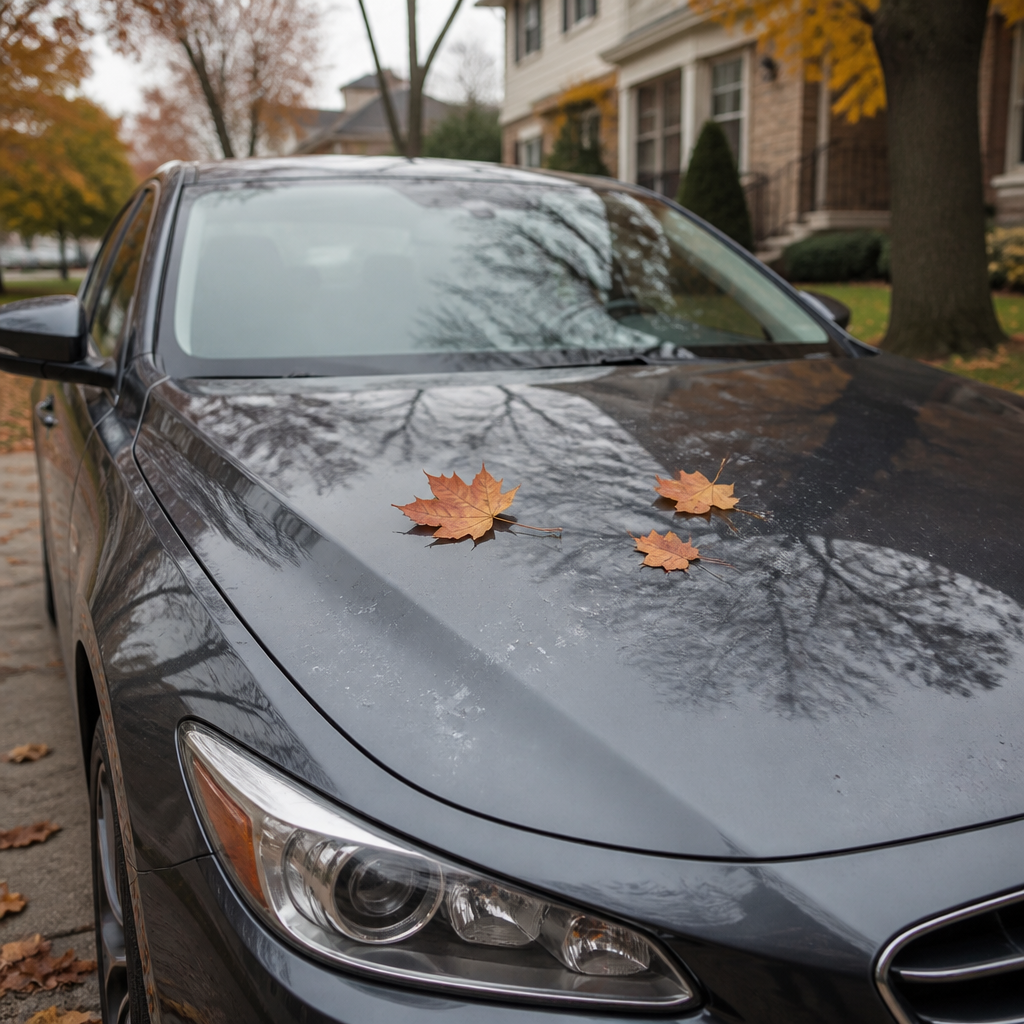
John Ibbotson, chief mechanic at Consumer Reports' Auto Test Center, has made the core point clearly: wet leaves contain tree sap, which is acidic and can damage the finish on a car's paint. The clear coat is the outermost layer of the paint system, so it takes that exposure first. Once the top layer is etched, the damage is no longer something a wash can fix.
In practice, the timing matters as much as the chemistry. A few hours of sap on a cool, dry morning is usually a wash-off problem. Sap that cooks on a dark hood in afternoon sun for several days is a different job entirely, and that is the scenario we see most often in the suburbs after a dry, warm stretch followed by a sudden cold snap.
Sap is not a dirt problem. It is a chemical contact problem, and the paint keeps a record of how long it stayed there.
Why Dark Colors Show the Damage First
Black, dark blue, and deep red finishes make etching visible sooner. A spot that looks like a faint ring on a silver car can look like a permanent blemish on a dark panel. Owners of high-end and luxury vehicles often notice this first, because their paint is the one they look at most closely in the driveway.
Where Sap Collects Without Anyone Noticing
Sap does not fall evenly across a car. It lands on the hood, roof, and upper windshield, then runs down into the cowl and mirror housings. Those lower areas are where owners often find the residue weeks later, and where it has had the longest contact time.
How Wet Leaves Break Down on Paint and Trim
A dry leaf is mostly a scratch risk when it is dragged across paint by wind or a car wash brush. A wet leaf is a different problem because it clings, stays in place, and holds sap and moisture against the finish. Chicago suburb mornings in October often bring exactly this condition: damp air, wet pavement, and leaves stuck to everything.
Leaves also do damage beyond the paint. They find their way into nooks and crannies, get caught under the wipers, and clog air intakes and drain holes. Consumer Reports notes that this debris can clog drain holes around the sunroof, which turns a cosmetic issue into a water management issue.
Wipers, Cowl, and the Heater Intake
The cowl, the area at the base of the windshield, is where leaves collect and rot. It is also where the heater intake sits. Wet leaf mats in this area can trap moisture, cause odors, and eventually restrict airflow. We see this most often on cars that sit outside under trees for weeks at a time.
Pop the hood and clear this area by hand or with a vacuum before you wash. Pushing debris into the intake with a high-pressure blower only moves the problem deeper into the car.
Sunroof Drains and Why Wire Is a Bad Fix
Clogged sunroof drains are one of the most common fall service calls we see. Many owners reach for a wire hanger, but the wire can tear the sunroof lining and leave you with a new leak to chase. A vacuum with a narrow nozzle draws the leaves out without the risk. If the drain still runs slow after clearing, that is a job for a professional, not a longer wire.
Parking Habits That Multiply the Risk
The single biggest factor we can control is where the car sits. Consumer Reports advises avoiding parking under trees, especially if you are not driving much, because a car that sits still collects more leaves, sap, and grime. Daily drivers get some benefit from movement, but a weekend car parked under the same tree for a month is in the worst spot.
The problem is not only the tree directly above. Sap can drip from branches over a wider area, and leaves blow into the same corners of a driveway or lot every windy night. Parking away from the trunk line and out of the drip zone matters more than most owners expect.
Driveways, Garages, and Covered Spots
A garage is the ideal answer, but not every suburban home has one with room. If you must park outside, choose a spot with open sky and a clear path for the car to be driven out without disturbing leaf piles. A covered spot under a carport can also reduce direct drip, though it does not stop leaves from blowing under the edges.
When a Car Cover Helps and When It Hurts
A car cover is worth considering if parking under trees cannot be avoided. Consumer Reports suggests that better covers tend to cost at least $100 and are made of multilayered material. Cheaper single-layer covers can trap moisture and scratch the paint, which can make the problem worse.
Pro tip: If you park under trees, put the cover on only after the car is dry and clean. Covering a car with sap and grit on the paint grinds those contaminants into the clear coat every time the fabric moves.
Removing Sap Without Scratching the Finish
Removing sap is where most owners do the most damage. Scrubbing a hard, dry sap spot with a dry towel or a stiff brush will scratch the clear coat before it removes the sap. The safe approach is to soften the spot, lift it, and then clean the area so no residue is left behind.
For a fresh spot, a cloth dampened with rubbing alcohol is the most common first step. Consumer Reports suggests dabbing spots with rubbing alcohol on a cloth, or using a bug and tree sap remover from a major car care brand. Dab and wait. Do not rub until the spot is soft.
The Spot Test That Prevents Bigger Problems
Every product should be tested first on a hidden area. Ibbotson's advice on this is direct: test any store-bought cleaner on a small spot of paint first. A hidden lower panel or a door jamb will show haze or dullness before it appears on the hood.
Why Hard Scraping and Hot Water Backfire
Plastic razors and fingernails can gouge the paint even when they seem gentle, and hot water on cold paint can spread residue rather than lift it. If a spot does not soften after a few minutes of dabbing, stop and move to a professional process. Forcing it usually turns a sap spot into a paint correction job.
Protection Options Compared
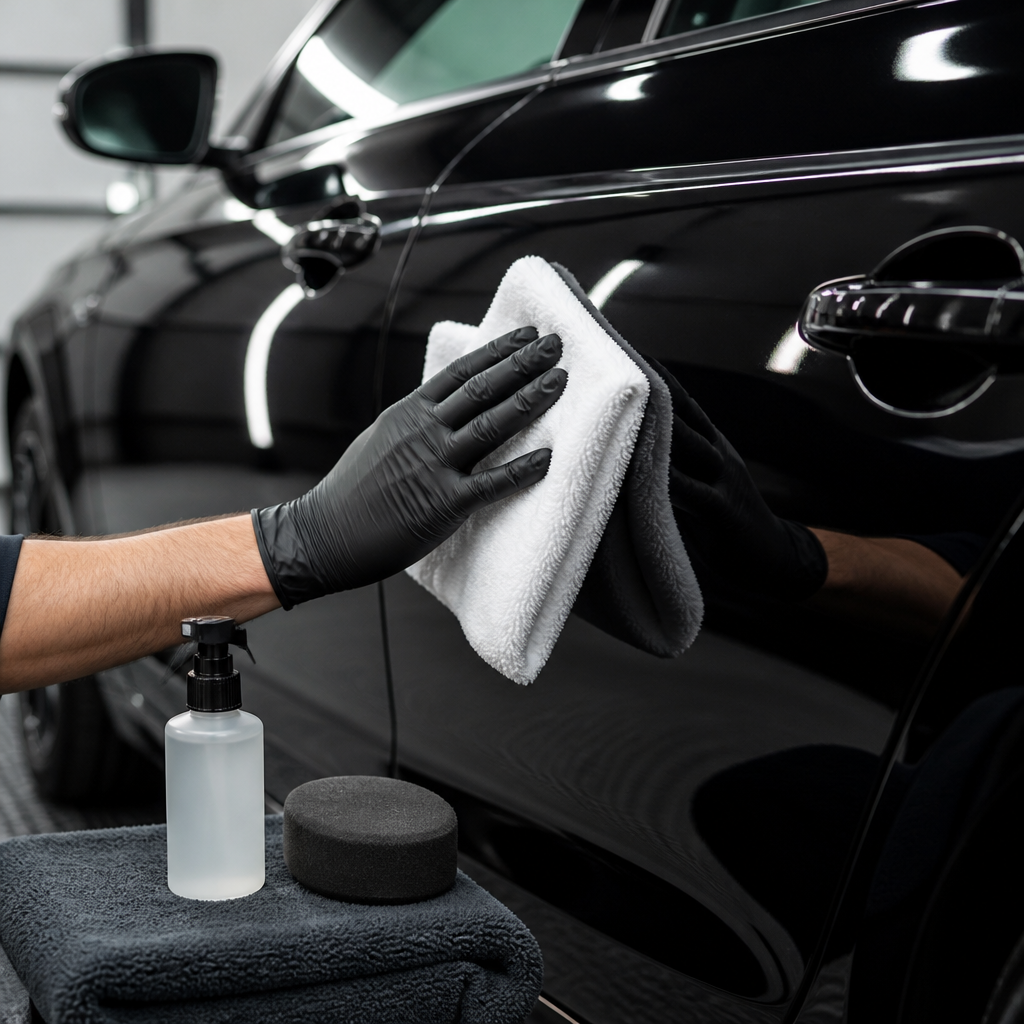
No single product stops leaves and sap from reaching the paint, but each option changes how much the surface takes. The right choice depends on how long the car sits outside, how often it is washed, and whether the owner wants protection that lasts through the whole season. The table below compares the three approaches we discuss most often with clients.
| Option | What It Helps With | Practical Drawback |
|---|---|---|
| Seasonal hand wax | Adds a sacrificial layer that makes sap and grime easier to wipe away. Consumer Reports recommends waxing once a season to help protect the paint. | Wears off within weeks of heavy exposure, so it does not replace prompt sap removal. |
| Multilayer car cover | Blocks direct drip from branches and keeps leaves off the paint while the car is parked. | Single-layer covers can trap moisture and scratch paint, and the cover must be put on clean. |
| Professional ceramic coating | Creates a harder, slicker surface so sap and contaminants release more easily. Our nano-ceramic SiO₂ coatings carry 5 to 8 year warranties. | Requires a properly prepared surface and a professional install, and it still needs prompt sap removal. |
The comparison makes one point clear: protection layers reduce damage, but they do not remove the need for timely cleaning. A coating on a car that sits under a tree for a month will still show sap if nobody removes it.
Seasonal Wax Versus Ceramic Protection
Wax is a reasonable budget step for owners who wash often and park in open areas. For cars that spend fall under trees, a ceramic coating gives a more durable barrier that is easier to clean. The cost is higher, but the paint is easier to maintain across the whole year.
Fall Detailing Schedule for Chicago Suburbs
Timing is what separates a simple fall wash from a full protection job. The goal is to clean and decontaminate before the sap has time to bond in cold, wet weather, and before the first hard freeze locks road salt and grime against the paint. For most Chicago suburb drivers, the sequence should start as soon as leaves begin to drop heavily.
A practical fall plan includes a thorough wash, a chemical decontamination pass for bonded sap, a clay bar or clay mitt pass for residue, and a protective layer such as wax or sealant. If the car has been parked under trees for weeks, add a visual check of the lower panels and cowl before the wash starts.
Early Fall Decontamination
Decontamination removes the bonded debris that regular washing misses. It is most effective when done before sap has baked into the surface through a warm spell. Waiting until after the first freeze makes the process slower and more expensive, because the residue has had more time to set.
Sunroof, Cowl, and Drain Clearing
Clear the sunroof drains and cowl before you wash the car. Running water into a clogged drain can push debris into the car, and that is a far worse outcome than a slow, careful vacuum pass. Check the drain flow after the car is rinsed.
Pro tip: Schedule a fall decon pass before the first heavy leaf drop, not after. The same job that takes an hour in October can take a full paint correction session by spring.
Ceramic Coatings and Leaf Season Exposure
Ceramic coatings are often sold as a magic shield, and that expectation causes disappointment. A coating does not stop sap from landing on the car. What it does is change the surface so contaminants sit on top rather than bonding in, and so the owner can remove them more easily. That difference matters a great deal in leaf season.
Our coatings are applied after paint correction, which is important. A coating applied over an etched or swirled surface simply locks in the existing damage. The preparation stage is where most of the value comes from, and it is the part that cannot be skipped if the owner wants the coating to perform through a full season of leaves and sap.
What a Coating Does and Does Not Stop
A coating will not stop sap from etching if it is left to sit for days in sun or damp weather. It also will not protect the cowl, mirror housings, or sunroof drains from leaf debris. Owners still need to clear those areas by hand or with a vacuum. The coating makes the clean-up faster, but the clean-up still has to happen.
Maintenance Habits That Keep a Coating Effective
Wash with a pH-balanced car wash soap and avoid dish soap, which can strip protective layers. Dry with a soft microfiber towel using a blotting motion rather than rubbing. Remove sap quickly, and avoid automatic brushes that can drag grit across the surface.
Frequently Asked Questions
Does tree sap always leave a permanent mark on car paint?
No, not always. Fresh sap that is removed within a day or two often leaves no lasting mark. Sap that bakes in sun for several days can etch the clear coat, and that etching may need polishing to remove.
Are fallen leaves harmful even if they are dry?
Dry leaves are mainly a scratch and clog risk. They can be dragged across paint by wind or brushes, and they can block drains and air intakes. The bigger acid risk comes when leaves are wet and in contact with the finish for a long time.
Is rubbing alcohol safe for removing sap?
Rubbing alcohol is a common first step for fresh spots when it is applied on a cloth and dabbed rather than rubbed hard. Test it on a small hidden area first, and avoid letting it sit on trim or plastic for long periods.
Should I wax my car before fall?
Yes, a seasonal wax is a sensible step before leaf season. Consumer Reports recommends waxing once a season to help protect the paint. Wax does not replace prompt sap removal, but it makes residue easier to clean off.
How often should I park under trees in autumn?
Avoid it when you can, especially if the car sits for days at a time. If you must park under trees, clean the car regularly, check the cowl and lower panels, and consider a multilayer car cover that is put on only after the car is clean.
When is the right time for a fall decontamination service?
The best time is before heavy leaf drop and before the first hard freeze. Early decontamination removes bonded sap before it sets, which is far easier and cheaper than correcting etched paint in spring.
We would like to hear from you: what has your experience been with sap and leaves on your paint this fall, and which cleanup method worked best for your car?